OSHA Forklift Operator Certification Training
Forklift operators must be trained, evaluated, and documented as competent before they operate a powered industrial truck for an employer. KARM Safety Solutions provides practical forklift certification training for warehouse, construction, manufacturing, distribution, and industrial employers that need a clear path from classroom instruction to workplace qualification. Training covers truck-related hazards, workplace hazards, inspections, stability, load handling, pedestrian safety, ramps, docks, charging or fueling, and safe operating practices. Employers can choose online theory for flexible scheduling, instructor-led training for groups, or onsite training using the company’s equipment and work environment. Because OSHA requires both formal instruction and a practical evaluation, online coursework should be paired with a hands-on evaluation by a qualified evaluator before the employer authorizes the operator. KARM can help employers understand and document that process. The standard course is approximately 2.5 hours, with additional time needed for equipment-specific practice and operator evaluations. Training can be arranged for new operators, experienced operators who need reevaluation, and employees assigned to a different type of forklift. Start online, reserve a public class, or request an onsite quote for your crew. Participants receive course-completion documentation, and employers receive guidance for maintaining operator training and evaluation records.
Opens KARM’s secure online training portal in a new tab
Course Duration and Delivery Options
Approximately 2.5 hours for formal instruction. Add time for hands-on practice and the required workplace evaluation.
• Self-paced online theory with instructor support
• Instructor-led public or private class
• On-site training with employer equipment
• English and Spanish options are available
Locations Served
Online access nationwide. On-site service throughout Oregon and Southwest Washington; travel outside the core area is available by quote.
Pricing or Quote Process
Display the current online price beside the “Start Online Training” button. For onsite or group pricing, request trainee count, forklift type, worksite city, preferred dates, and language. Return a written quote with travel and evaluation scope clearly stated.
Who Needs the Training
• New forklift and powered industrial truck operators
• Experienced operators due for evaluation
• Operators involved in unsafe operation, an accident, or a near miss
• Employees assigned to a different truck type
• Warehouse, manufacturing, construction, utility, and distribution teams
Certification Validity / Retraining
Recommended wording
OSHA requires an operator performance evaluation at least once every three years. Refresher training and evaluation are required sooner after unsafe operation, an accident, or near miss, an unsatisfactory evaluation, assignment to a different truck type, or a workplace change that affects safe operation.
Standards Covered
• OSHA 29 CFR 1910.178(l), Powered Industrial Truck Operator Training
• OSHA 29 CFR 1926.602(d), as applicable to construction
• Manufacturer instructions and employer-specific operating procedures
Employer Forklift Training Responsibilities
Employers are responsible for ensuring that each forklift operator receives proper training and evaluation before being allowed to operate the equipment.
OSHA forklift requirements include:
- Formal forklift safety instruction
- Practical hands-on training
- Workplace-specific hazard review
- Operator performance evaluation
- Employer certification of competency
- Refresher training when required
When Is Forklift Refresher Training Required?
Forklift refresher training may be required when:
- An operator is observed operating unsafely
- An operator is involved in an accident or near miss
- An operator is assigned to a different type of forklift
- Workplace conditions change
- An evaluation shows the operator needs additional training
- The three-year evaluation period is due
OSHA-Compliant Forklift Training with KARM Safety Solutions
KARM Safety Solutions provides OSHA-compliant forklift training to help employers meet powered industrial truck training requirements, improve operator safety, and reduce workplace incidents.
Our forklift training covers safe operation, equipment inspections, load handling, stability, pedestrian awareness, workplace hazards, refueling and charging safety, and hands-on operator evaluation.
Whether your team works in a warehouse, construction site, lumber yard, manufacturing facility, shop, or industrial workplace, KARM Safety Solutions helps provide the training and documentation needed to support a safer, more compliant workplace.
Schedule forklift certification training with KARM Safety Solutions today.
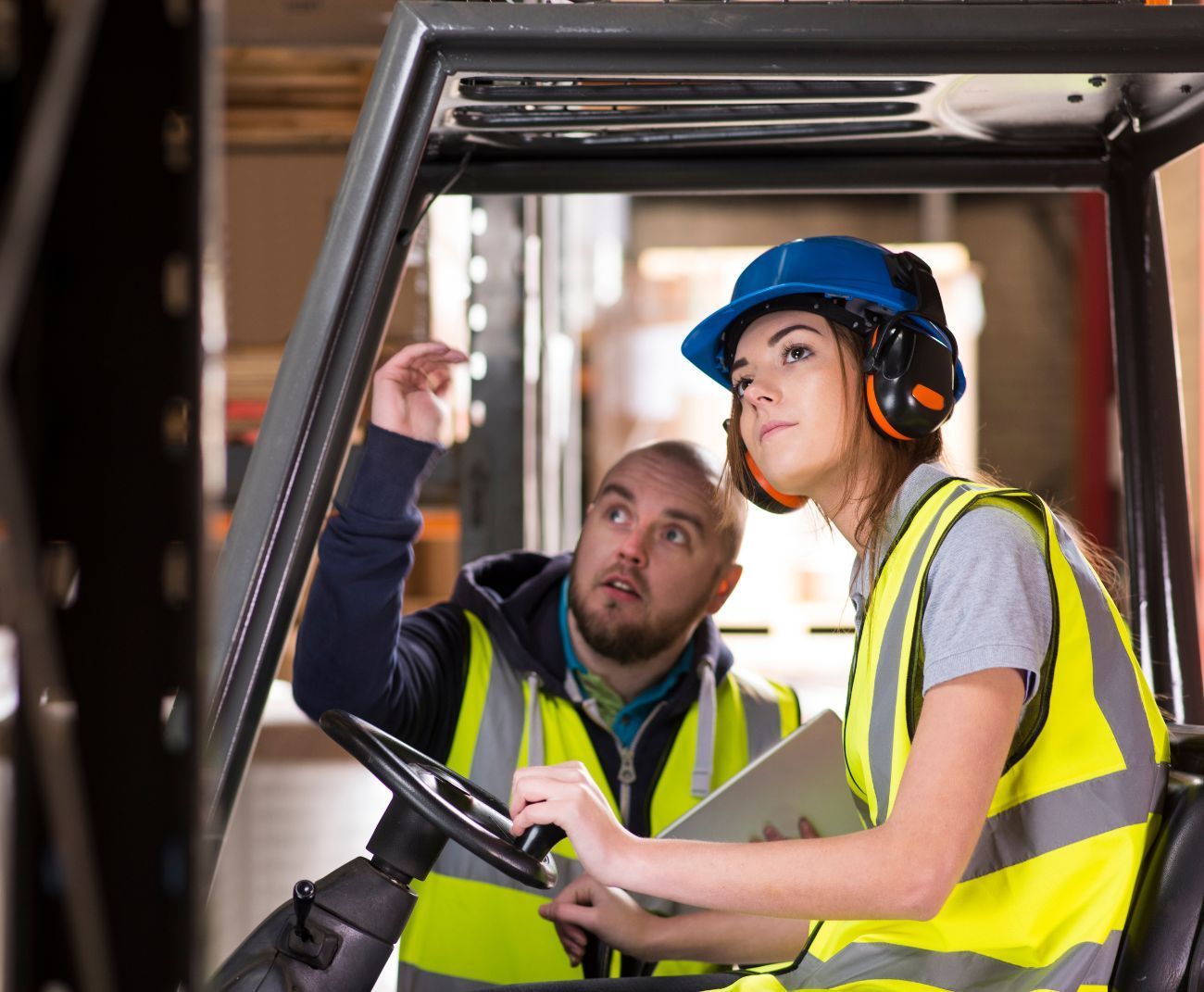
Opens KARM’s secure online training portal in a new tab
When Forklift Training Is Required
Forklift training is required:
Before operating a forklift
When new equipment is introduced
When workplace conditions change
After accidents or near misses
When an unsafe operation is observed
OSHA also requires operator evaluation at least every 3 years.
Common Forklift Hazards in the Workplace
Forklift incidents are one of the leading causes of workplace injuries.
Common risks include:
Tip-overs
Struck-by incidents
Pedestrian collisions
Falling or unstable loads
Improper operation on ramps or uneven surfaces
Proper training significantly reduces these risks.
What This Training Covers
This course prepares operators for safe and compliant forklift operation:
Forklift Basics
Equipment types and controls
Stability principles
Safe Operating Procedures
Load handling and stacking
Traveling and maneuvering safely
Hazard Recognition
Workplace hazards
Pedestrian safety
OSHA & Oregon OSHA Requirements
1910.178 compliance
Employer responsibilities
Hands-On Evaluation
Practical driving assessment
Operator competency verification
Who Needs Forklift Certification?
Forklift training is required for:
Warehouse employees
Construction workers using forklifts
Manufacturing personnel
Material handlers
Equipment operators
If an employee operates a forklift, training is required.
Types of Forklifts Covered
Training can include:
Sit-down forklifts
Stand-up forklifts
Reach trucks
Pallet jacks (powered)
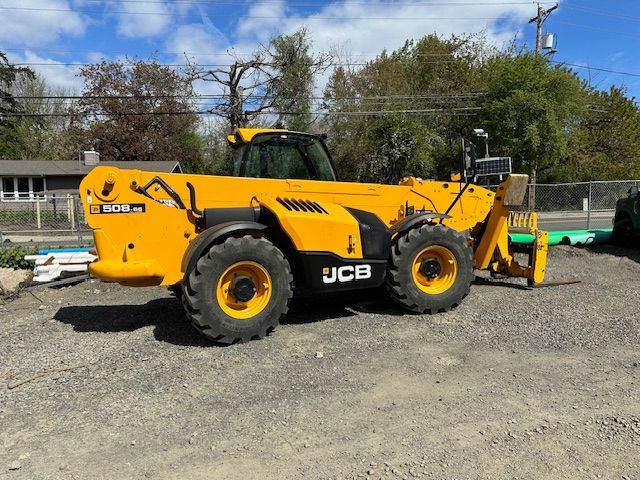
Rough terrain forklifts
Training is tailored to the equipment used at your workplace.
OSHA Inspections & Compliance
During OSHA inspections, employers may be required to provide:
Operator training records
Certification documentation
Evaluation records
Evidence of safe operation
Proper training helps prevent citations and improve safety.
Certification & Documentation
Upon completion:
Forklift operator certification issued
Documentation for OSHA compliance
Evaluation records maintained
OSHA requires employer certification, not a third-party license.
Why Choose KARM Safety Solutions
KARM provides focused, hands-on forklift training:
OSHA-aligned programs
On-site training or online
Practical operator evaluations
Training tailored to your equipment and facility
Opens KARM’s secure online training portal in a new tab
Frequently Asked Questions
Do I need forklift certification?
Yes. OSHA and Oregon OSHA require operators to be trained and evaluated.
Is there a forklift license?
No. Certification is issued by the employer, not the state.
How long does forklift certification last?
Operators must be evaluated at least every 3 years, or sooner if needed.
Can forklift training be done online?
Online training can cover theory, but hands-on evaluation is required.
Who can provide forklift training?
A qualified trainer with knowledge and experience can train and evaluate operators.
Schedule Forklift Certification Training
KARM Safety Solutions offers:
- On-site forklift training across Oregon
- Hands-on operator evaluations
- OSHA-compliant certification programs
Contact us today to schedule forklift training and ensure compliance.
Opens KARM’s secure online training portal in a new tab
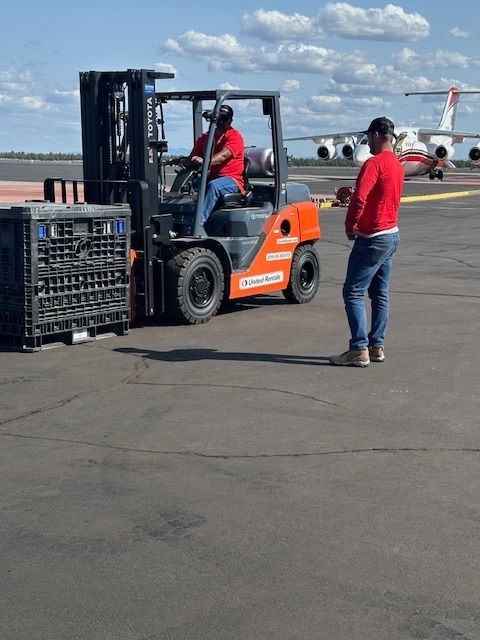
Opens KARM’s secure online training portal in a new tab