Fall Protection Competent Person Training in Washington (L&I & OSHA Compliant)
Washington L&I Fall Protection Training for Competent Persons
Falls are the leading cause of fatalities in construction, and Washington State Labor & Industries (L&I) actively enforces fall protection requirements across all job sites.
Under OSHA 29 CFR 1926 Subpart M and enforced by Washington L&I (WAC 296-155 Part C-1 – Fall Protection), employers must protect workers from fall hazards and designate a competent person to identify hazards and ensure proper controls are in place.
KARM Safety Solutions provides Washington-focused Fall Protection Competent Person Training designed for real jobsite conditions and L&I enforcement expectations.
Washington L&I Fall Protection Requirements (WAC 296-155)
Fall protection in Washington is regulated under:
- WAC 296-155 Part C-1 – Fall Protection
- OSHA 29 CFR 1926 Subpart M (federal baseline)
Washington L&I requires fall protection at:
- 4 feet in general industry
- 10 feet for certain equipment and activities
- 6 feet in construction (baseline OSHA)
In many cases, Washington requirements are more protective than federal OSHA.
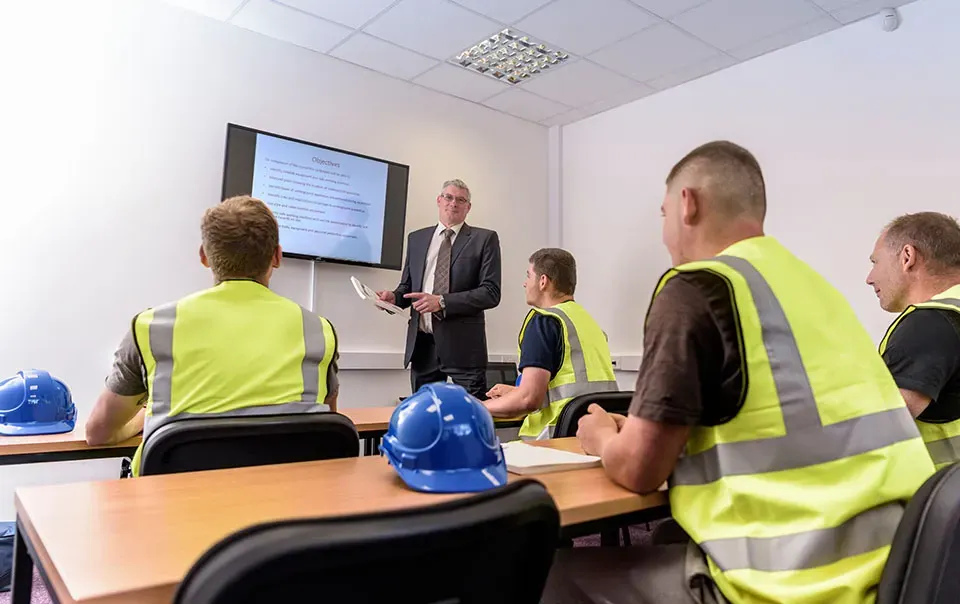
What Makes This Training Different in Washington?
This training is designed for Washington-specific conditions and enforcement trends, including:
- Strict L&I fall protection enforcement
- Roofing and residential construction risks
- Rain, moisture, and slippery surfaces
- Ladder and scaffold-related hazards
- Common violations seen during L&I inspections
This is not generic training—it’s built for Washington jobsite realities.
What Is a Fall Protection Competent Person?
A competent person is:
Someone capable of identifying existing and predictable hazards and authorized to take prompt corrective action.
In Washington construction, this includes:
- Identifying fall hazards on-site
- Inspecting fall protection systems
- Ensuring proper use of equipment
- Correcting unsafe conditions
- Stopping work when necessary
When Is a Competent Person Required in Washington?
A competent person is required when:
- Workers are exposed to fall hazards
- Fall protection systems are in use
- Work is performed at elevated heights
The competent person must be actively involved in daily hazard identification and control.
Common Fall Hazards in Washington
Washington jobsite conditions increase risks such as:
- Roof work and leading edges
- Wet or slippery surfaces due to weather
- Ladder misuse
- Unprotected edges and floor openings
- Improper use of fall protection equipment
These are among the most frequently cited L&I violations.
Types of Fall Protection Systems
Guardrail Systems
Passive protection for edges and elevated work areas
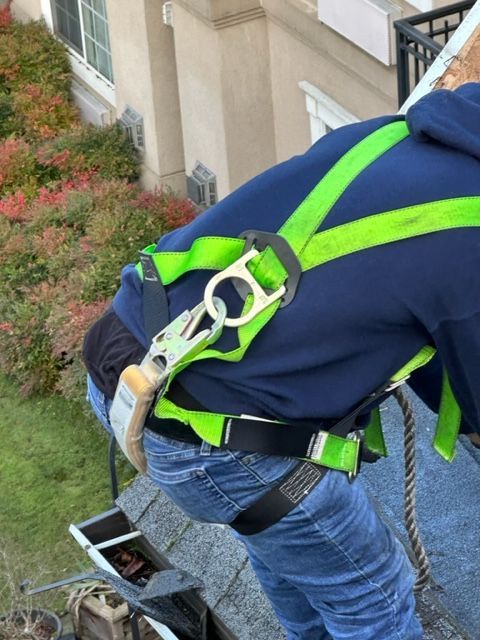
Personal Fall Arrest Systems (PFAS)
Harness, lanyard, and anchor systems to stop a fall
Fall Restraint Systems
Prevent workers from reaching fall hazards
Safety Nets
Used when other systems are not feasible
What This Training Covers
This course prepares competent persons for fall protection compliance in Washington:
Fall Hazard Identification
- Recognizing jobsite risks
- Evaluating working conditions
Equipment Inspection & Use
- Harnesses, lanyards, anchors
- Proper inspection and fit
OSHA & L&I Requirements
- 1926 Subpart M overview
- WAC 296-155 compliance
System Selection & Setup
- Choosing appropriate fall protection systems
- Safe installation and use
Competent Person Responsibilities
- Daily inspections
- Hazard correction
- Work stoppage authority
Who Needs Fall Protection Competent Person Training in Washington?
This training is essential for:
- Construction supervisors and foremen
- Roofing contractors
- General contractors
- Safety managers
- Workers responsible for fall protection systems
If your team works at height, a competent person is required.
Washington L&I Inspections & Enforcement
Washington L&I frequently cites fall protection violations.
Inspectors may review:
- Fall protection systems
- Training documentation
- Equipment condition
- Hazard assessments
Fall protection violations often result in serious or willful citations due to high risk.
Certification & Documentation
Upon completion:
- Certificate of Completion issued
- Documentation for employer compliance
- Support for competent person designation
OSHA and L&I require training and demonstrated competency, not a formal certification license.
Why Choose KARM Safety Solutions
KARM provides Washington-focused fall protection training:
- OSHA and L&I-aligned programs
- Real-world, jobsite-based instruction
- Designed for Washington construction environments
- Focus on preventing falls and fatalities
Frequently Asked Questions
Is a competent person required for fall protection in Washington?
Yes. Washington L&I requires a competent person to identify and control fall hazards.
At what height is fall protection required in Washington?
It depends on the activity:
- 4 feet (general industry)
- 6 feet (construction baseline)
- Higher thresholds may apply depending on work type
Does Washington issue fall protection certification?
No. Employers must designate competent persons based on training and experience.
What is the most common fall hazard?
Unprotected edges and improper use of fall protection equipment.
Can this training be done online?
Online training may be used, but real-world application is critical.
Schedule Fall Protection Training in Washington
KARM Safety Solutions offers:
- On-site competent person training across Washington
- OSHA and L&I-compliant programs
- Practical, hands-on instruction