
Confined Space Training
OSHA Competent Person Course
Confined space work requires more than recognizing a small or enclosed area. Employers must identify confined spaces, determine whether they are permit-required, evaluate hazards created by the space and the work, assign trained roles, control entry, test the atmosphere, maintain communication, and arrange effective rescue. KARM Safety Solutions’ Confined Space Competent Person Training gives supervisors, foremen, safety staff, entry supervisors, attendants, and experienced workers a practical framework for making those decisions. The approximately four-hour course covers space classification, permit systems, atmospheric testing, ventilation, isolation, lockout/tagout coordination, entrant and attendant duties, rescue planning, multi-employer coordination, documentation, and stop-work conditions. Training is available online for nationwide access and on-site for employers who need instruction tied to specific spaces, equipment, procedures, and rescue arrangements. Completing a course provides knowledge and a training record, but the employer must still designate a competent person who can identify hazards and has the authority to take prompt corrective action. For Oregon work, the course should address Oregon OSHA’s confined-space rule; for construction outside Oregon, OSHA 29 CFR 1926 Subpart AA applies. Start online or request a site-specific class for your team. Employers can also ask KARM to review existing permits, role assignments, monitoring practices, and training gaps.
Opens KARM’s secure online training portal in a new tab
Course Duration and Delivery Options
Approximately 4 hours. Site-specific onsite sessions may be longer when permits, atmospheric monitors, rescue equipment, or actual spaces are included.
· Self-paced online competent-person course
· Instructor-led onsite training
· Role-specific entrant, attendant, and entry-supervisor training
· Customized permit, monitor, rescue, and procedure workshops
· English and Spanish options where available
Locations Served
Online nationwide. On-site throughout Oregon and Southwest Washington, with travel for larger projects or multi-site clients by quote.
Who Needs the Training
· Competent persons and entry supervisors
· Authorized entrants and attendants
· Superintendents, foremen, and safety coordinators
· Maintenance, utility, construction, wastewater, manufacturing, and industrial teams
· Employers developing or updating a confined-space program
What Is a Confined Space Competent Person?
A competent person is:
Someone capable of identifying existing and predictable hazards and authorized to take prompt corrective action.
In confined space operations, this includes:
- Identifying confined spaces and hazards
- Determining if a space is permit-required
- Ensuring proper entry procedures are followed
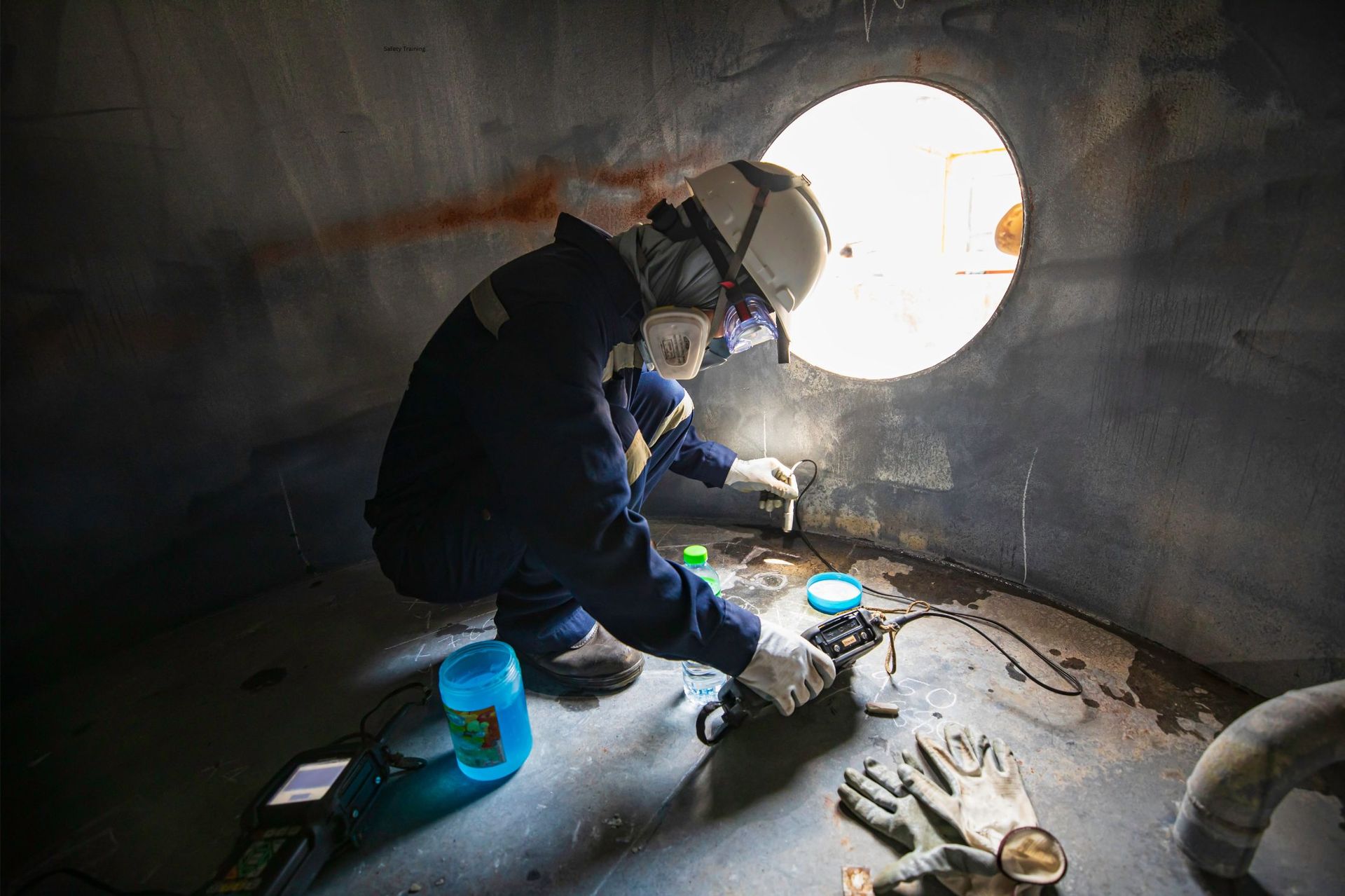
- Verifying atmospheric testing
- Stopping work when unsafe conditions exist
Opens KARM’s secure online training portal in a new tab
When Is a Competent Person Required?
A competent person is required when:
- Confined spaces are present on the jobsite
- Entry into confined spaces is planned
- Hazards must be identified and controlled
The competent person plays a critical role in protecting workers before entry occurs.
Standards Covered
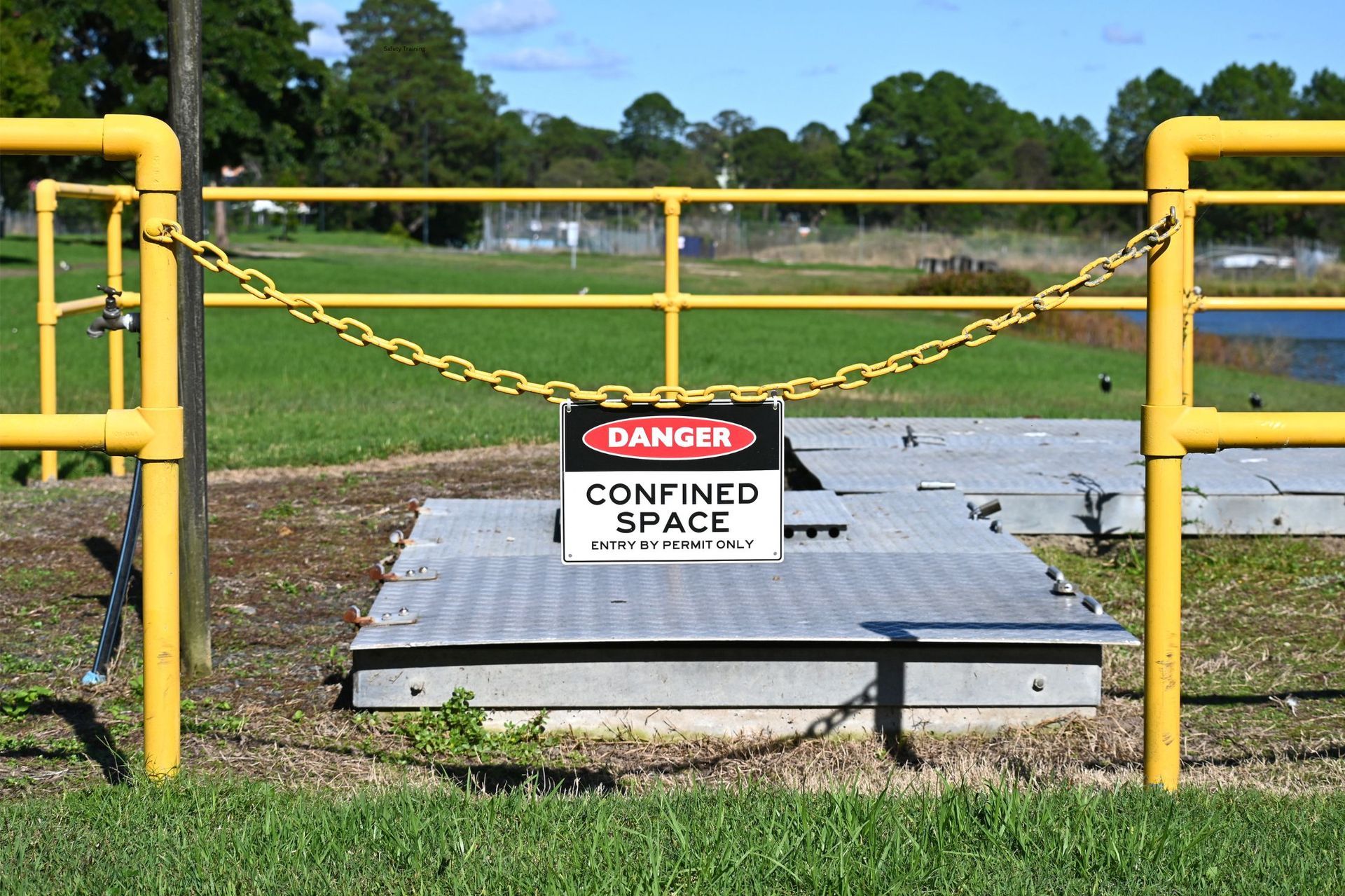
• OSHA 29 CFR 1910.146, Permit-Required Confined Spaces
• OSHA 29 CFR 1926 Subpart AA, Confined Spaces in Construction
• Oregon OSHA OAR 437-002-0146, when applicable
• Related respiratory protection, lockout/tagout, and rescue requirements
Common Confined Space Hazards
Confined space incidents often result in fatalities due to:
- Oxygen deficiency or enrichment
- Toxic gas exposure (e.g., H₂S, CO)
- Engulfment (liquids, sand, grain)
- Mechanical or electrical hazards
- Poor ventilation
Many fatalities occur during rescue attempts, making training critical.
Types of Confined Spaces
Non-Permit Confined Spaces
- No significant hazards
- May not require a permit
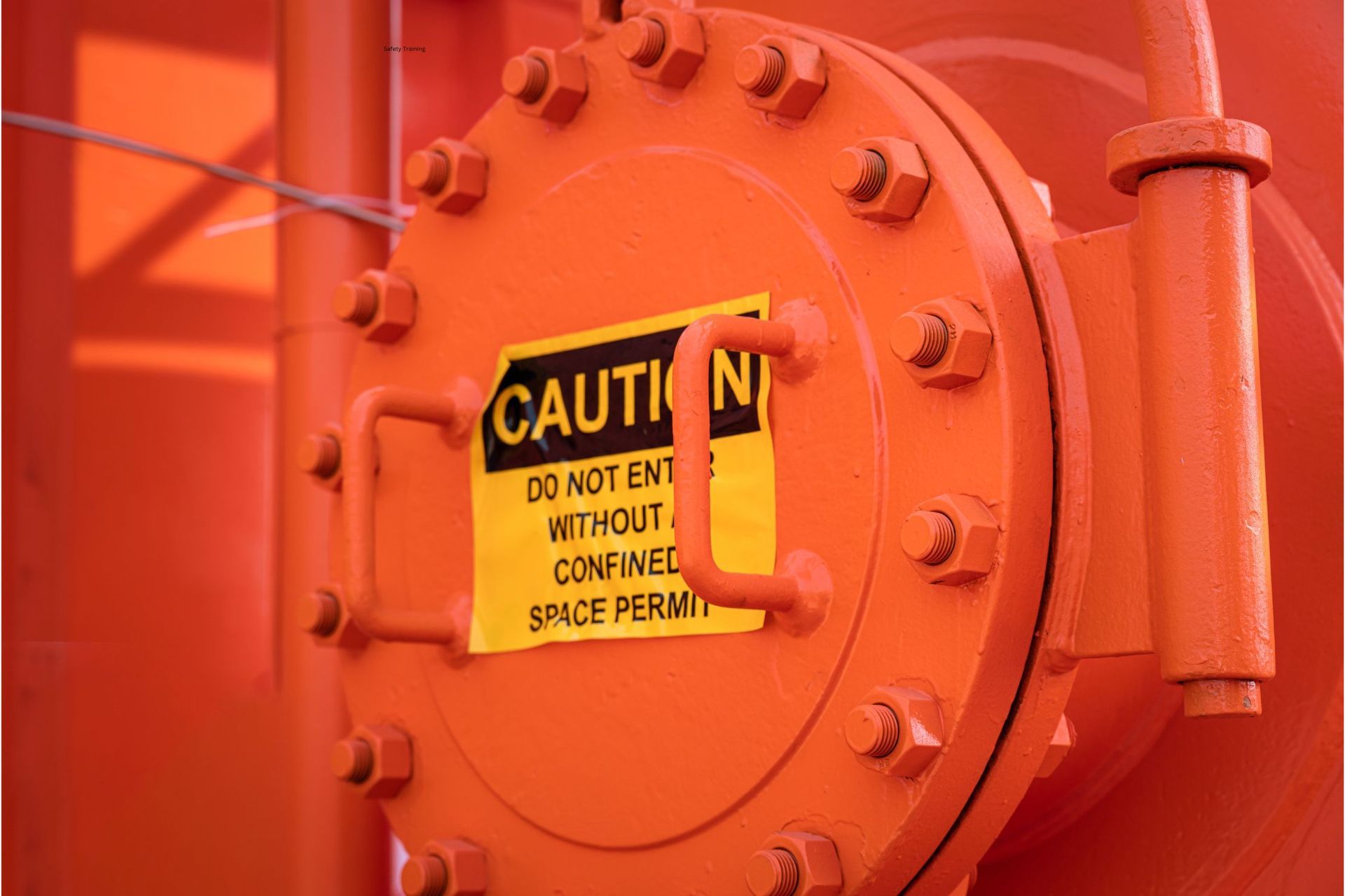
Permit-Required Confined Spaces (PRCS)
- Contain serious hazards
- Require a permit system and controls
What This Training Covers
This course prepares competent persons for confined space safety:
Confined Space Identification
- Recognizing confined spaces
- Evaluating hazards
Permit Systems
- Entry permits and procedures
- Roles and responsibilities
Atmospheric Testing
- Oxygen levels
- Toxic and flammable gases
Hazard Control Methods
- Ventilation
- Lockout/Tagout
- Isolation procedures
OSHA Requirements
- 1910.146 & 1926 Subpart AA overview
- Employer responsibilities
Competent Person Responsibilities
- Hazard identification
- Entry oversight
- Work stoppage authority
Opens KARM’s secure online training portal in a new tab
Opens KARM’s secure online training portal in a new tab
Who Needs Confined Space Competent Person Training?
This training is essential for:
- Supervisors and foremen
- Safety managers
- Construction and maintenance personnel
- Utility and industrial workers
- Anyone responsible for confined space entry
If your workplace has confined spaces, a competent person is required.
OSHA Inspections & Compliance
Confined space violations are among the most serious OSHA citations.
Inspectors may review:
- Confined space identification
- Entry permits
- Atmospheric testing records
- Training documentation
Proper training helps prevent fatalities and major citations.
Certification & Documentation
Upon completion:
- Certificate of Completion issued
- Documentation for OSHA compliance
- Support for competent person designation
OSHA requires training and competency, not a formal certification license.
Why Choose KARM Safety Solutions
KARM provides real-world confined space training:
- OSHA-aligned instruction (1910.146 & 1926 Subpart AA)
- Practical hazard recognition training
- Designed for construction and industrial environments
- Focus on preventing fatalities and serious incidents
Opens KARM’s secure online training portal in a new tab
Frequently Asked Questions
Is confined space training required by OSHA?
Yes. OSHA requires training for workers involved in confined space entry.
What is a permit-required confined space?
A space with serious hazards requires a permit system for entry.
Does OSHA require a competent person?
OSHA requires hazard identification and safe entry procedures, which are typically assigned to a competent person.
What is the biggest confined space hazard?
Atmospheric hazards (lack of oxygen or toxic gases) are the leading cause of fatalities.
Can confined space training be done online?
Theory can be online, but practical application is critical.
Schedule Confined Space Training
KARM Safety Solutions offers:
- On-site confined space training
- OSHA-compliant programs
- Practical, jobsite-focused instruction
Contact us today to schedule training and protect your workers.
Opens KARM’s secure online training portal in a new tab