Rigger & Signal Person Training in Washington (L&I & OSHA Compliant)
Washington L&I Rigging & Signal Person Training for Crane Operations
Rigger and signal person training in Washington prepares workers to safely perform lifting operations, rig loads, and communicate with crane operators in construction and industrial environments.
Under OSHA 29 CFR 1926 Subpart CC and enforced by Washington State Department of Labor & Industries (L&I) through WAC 296-155 (Safety Standards for Construction Work), employers must ensure riggers and signal persons are qualified and competent.
KARM Safety Solutions provides Washington-focused rigging and signal person training designed for real jobsite conditions and L&I enforcement expectations.
Opens KARM’s secure online training portal in a new tab
Washington L&I & OSHA Requirements for Rigging & Signaling
Rigging and signaling requirements in Washington are governed by:
- WAC 296-155 (Construction Safety Standards)
- 29 CFR 1926 Subpart CC – Cranes & Derricks
Qualified Riggers
Riggers must be qualified when:
- Supporting crane assembly/disassembly
- Performing lifts where improper rigging could create hazards
Qualified Signal Persons
Signal persons must be qualified when:
- The crane operator’s view is obstructed
- Performing blind lifts or complex lifts
- Working near hazards such as power lines
Important Compliance Note:
Washington L&I requires employers to ensure workers are
qualified through training and demonstrated competency. There is
no state-issued rigger or signal person license.
What Makes This Training Different in Washington?
This training is built for Washington-specific jobsite risks and enforcement, including:
- Urban construction and congested job sites
- Utility and infrastructure projects
- Weather-related lifting challenges (rain, wind)
- Strict L&I inspection and enforcement practices
This is not generic training—it’s designed for real Washington jobsite conditions.
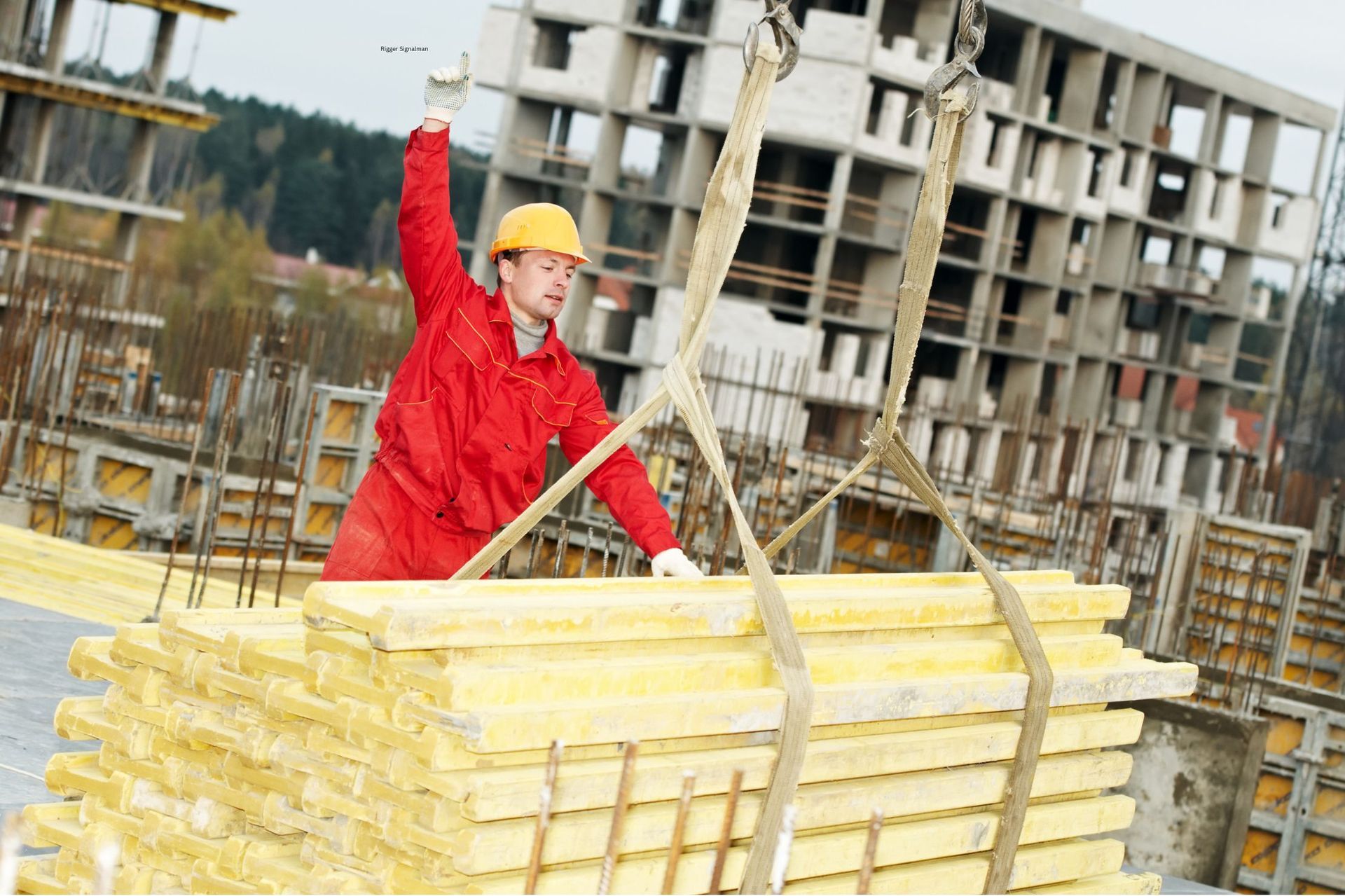
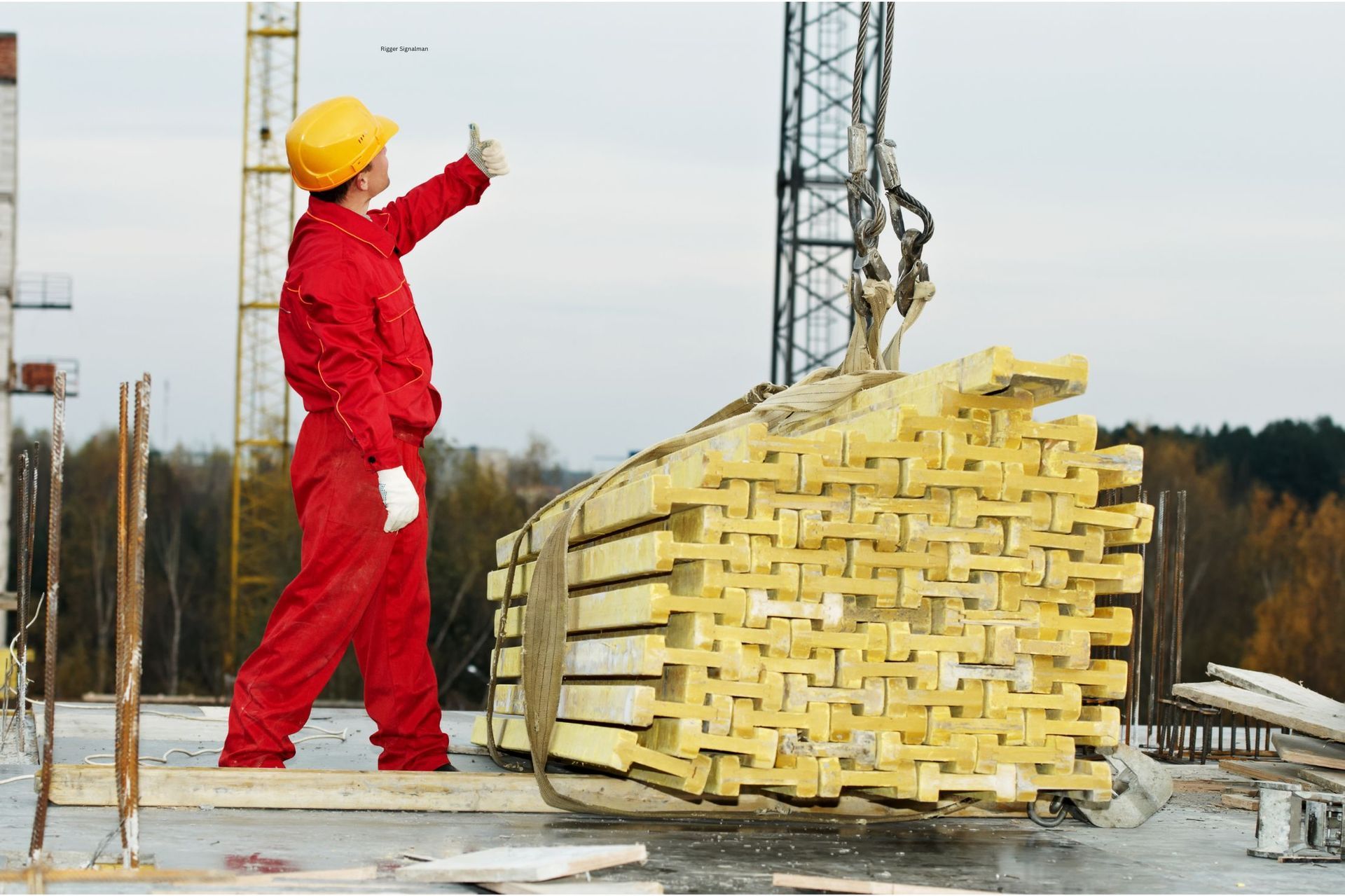
What Does a Rigger Do?
A rigger is responsible for:
- Selecting proper slings and rigging equipment
- Inspecting rigging before use
- Securing and balancing loads
- Ensuring safe lifting practices
Improper rigging is a leading cause of dropped loads and serious injuries.
What Does a Signal Person Do?
A signal person ensures safe crane operation by:
- Using standard hand signals
- Communicating via radio when needed
- Coordinating with crane operators during lifts
Clear communication is critical for safe lifting operations.
Common Rigging & Lifting Hazards in Washington
Washington jobsite conditions increase risks such as:
- Dropped or unstable loads
- Improper sling selection or failure
- Power line contact (major L&I hazard)
- Poor communication between workers
- Weather-related lifting risks
These hazards are frequently cited during L&I inspections.
Opens KARM’s secure online training portal in a new tab
What This Training Covers
This course prepares workers for safe rigging and signaling in Washington:
Rigging Fundamentals
- Types of slings and hardware
- Load weight and center of gravity
- Load stability and balance
Sling Inspection & Use
- Inspection procedures
- Capacity limits
- Proper sling selection
Signal Person Communication
- Standard hand signals
- Radio communication
- Coordination with crane operators
Hazard Recognition
- Identifying unsafe lifting conditions
- Power line safety
- Environmental hazards
OSHA & L&I Requirements
- 1926 Subpart CC overview
- WAC 296-155 requirements
Practical Evaluation
- Rigging demonstrations
- Signal communication exercises
Who Needs Rigger & Signal Person Training in Washington?
This training is essential for:
- Construction workers involved in lifting operations
- Crane crews and operators
- Utility and infrastructure workers
- Industrial maintenance personnel
- Supervisors overseeing crane operations
If your team performs lifting operations, qualified riggers and signal persons are required.
Washington L&I Inspections & Enforcement
Washington L&I actively inspects crane and rigging operations due to high risk.
Inspectors may review:
- Qualification documentation
- Rigging inspection procedures
- Signal communication practices
- Compliance with lifting safety standards
Violations often result in serious or willful citations.
Certification & Documentation
Upon completion:
- Certificate of Completion issued
- Qualification documentation for employer records
- Support for OSHA & L&I compliance
OSHA and L&I require qualified personnel, not a universal certification license.
Why Choose KARM Safety Solutions
KARM provides Washington-focused rigging and signal person training:
- OSHA and L&I-aligned programs
- Real-world, jobsite-based instruction
- Hands-on learning and evaluation
- Focus on safe lifting practices and compliance
Opens KARM’s secure online training portal in a new tab
Schedule Rigger & Signal Person Training in Washington
KARM Safety Solutions offers:
- On-site rigging and signal person training across Washington
- OSHA and L&I-compliant programs
- Practical, hands-on instruction
Contact us today to schedule training and improve lifting safety and compliance.
Frequently Asked Questions
Is rigger training required in Washington?
Yes. Washington L&I requires riggers to be qualified when performing lifting operations.
Is a signal person required?
Yes, when the operator cannot see the load or when hazards are present.
Does Washington issue a rigger certification?
No. Employers must verify worker qualifications.
Can rigging training be done online?
Theory can be online, but practical evaluation is important.
What is the biggest risk in rigging operations?
Dropped loads and communication failures are major causes of incidents.
Opens KARM’s secure online training portal in a new tab