What Are the New OSHA Hard Hat Rules?
Summary:- Learn about the latest OSHA hard hat rules, their importance, and how proper use protects workers from head injuries. The blog covers the lifespan of helmets, daily inspections, choosing the right type, avoiding common mistakes, and the role of training in workplace safety. Readers also get practical guidance on care, replacement, and following OSHA regulations. With real examples, clear tips, and compliance advice, this article helps companies protect employees, reduce accidents, and maintain OSHA compliance effectively.
Keeping workers safe on job sites is very important. The OSHA hard hat requirements help protect people from head injuries caused by falling objects, bumps, or electricity. Knowing the new rules helps companies keep workers safe, avoid accidents, and follow the law. Hard hats are not just equipment; they are essential protection that can save lives every day.
Why Hard Hats Are Important
Hard hats stop injuries by protecting your head from hits or falling objects. Some hard hats also stop electricity.
There are different types:
- Class G for general protection
- Class E for electricity
- and Class C for light jobs.
Wearing the right hat and keeping it in good shape keeps workers safe.
Head injuries can be serious. Even small bumps can cause bruises, concussions, or long-term damage. Hard hats absorb the force of impacts and reduce the chance of injury. In some cases, wearing a helmet can be the difference between a minor incident and a life-changing accident.
Some workers may feel that hard hats are uncomfortable or unnecessary. Proper training shows them that wearing a hat is not just a rule but a way to protect themselves and their colleagues. Safety becomes a habit when workers understand the reason behind the rules.
How Long Can Hard Hats Be Used?
Hard hats do not last forever. The shell usually lasts 5 years, and the inside straps last 1 to 2 years. Sun, heat, chemicals, or damage can make them weaker faster. Workers should check hats for cracks, dents, or broken straps every day. Broken hats must be replaced immediately to prevent injuries. It is important to write down the date a hard hat was first used. This helps track its age. Companies should keep a log for each helmet. Even if a hat looks fine on the outside, internal damage can make it unsafe. Checking the hat before starting work is a simple step that prevents serious accidents.
For high-risk environments, such as construction or electrical work, replacing hats more often is wise. Over time, plastic and suspension systems can weaken. Regular inspections and replacements keep safety strong.
Important OSHA Hard Hat Rules
OSHA hard hat regulations say employers must give workers helmets if there is a risk of getting hurt. Workers need to know how to use and care for hats properly. Not following these rules can cause accidents, fines, and legal problems. Companies must make safety a part of everyday work.
Employers are responsible for providing the right type of hard hat. This includes considering the type of work, height, and any electrical hazards. OSHA rules also require that workers be trained on how to wear helmets properly, check for damage, and store them safely. Workers must not modify hard hats. Adding stickers, drilling holes, or changing the suspension can weaken protection. Even small changes can reduce the helmet’s ability to protect against impact or electricity.
Choosing the Right Hard Hat
It is important to pick the right helmet. Look for ANSI/ISEA Z89.1 approval to meet safety standards. Features like adjustable straps, chin belts, and sweatbands make hats comfortable, so workers will wear them. Checking the workplace often makes sure everyone wears the right helmet and keeps it safe.
Hard hats come in different colors and designs. Some companies use colors to show job roles or seniority. While this helps identify people, safety should never be compromised. Comfort is important too. Workers are more likely to wear hats if they fit well and do not interfere with their work.
Using hats with built-in face shields or hearing protection can provide extra safety. This is especially useful in noisy or flying debris areas. Employers should match helmets to work conditions, not just follow a one-size-fits-all approach.
Training Helps Workers Stay Safe
OSHA electrical safety training teaches workers why hard hats are needed, how to check them, and when to replace them. Simple training and demonstrations build good habits that protect workers every day. Keeping a record of training also shows that the company is following the rules.
Training should cover common hazards like falling tools, debris, or electrical wires. Role-playing exercises or simulated accidents can show workers what could happen without helmets. Visual examples, like videos of impacts, make the lesson real and memorable.
Employers should refresh training regularly. Even experienced workers can forget simple steps. Annual safety meetings or toolbox talks are a good way to keep everyone alert.
How to Take Care of Hard Hats
Clean hats with soap and water. Don’t use strong chemicals that can damage the shell. Always check the straps and the shell for cracks. Keep hats out of the heat and sun to stay strong. Checking hats every day helps prevent accidents.
Store helmets in cool, dry places. Avoid leaving them in vehicles or outside where the sun or rain can weaken them. Replace worn straps or padding immediately. Even small tears or stretched straps can reduce protection.
Workers should also inspect helmets after impacts. A single drop or hit can weaken the shell, even if nothing is visible. Replacing the helmet is better than risking injury.
Common Hard Hat Mistakes to Avoid
- Wearing the wrong class of helmet for the task.
- Using cracked or old helmets.
- Modifying helmets with holes, stickers, or paint.
- Not adjusting the straps for a snug fit.
- Ignoring manufacturer replacement dates.
By avoiding these mistakes, workers reduce the risk of injuries. Companies that enforce these rules build a strong safety culture, which lowers accidents and keeps everyone confident on the job.
Why Following Hard Hat Rules Matters
Following OSHA rules keeps workers safe, reduces injuries, and helps the company run smoothly. Wearing the right hat shows that workers are valued. Safe workplaces build trust between workers and employers and keep everyone happy and healthy.
Hard hats are more than a safety item; they are a responsibility. Workers and employers share the duty of keeping helmets in good condition. A single helmet can save a life, prevent medical costs, and protect a company’s reputation.
In Closing:
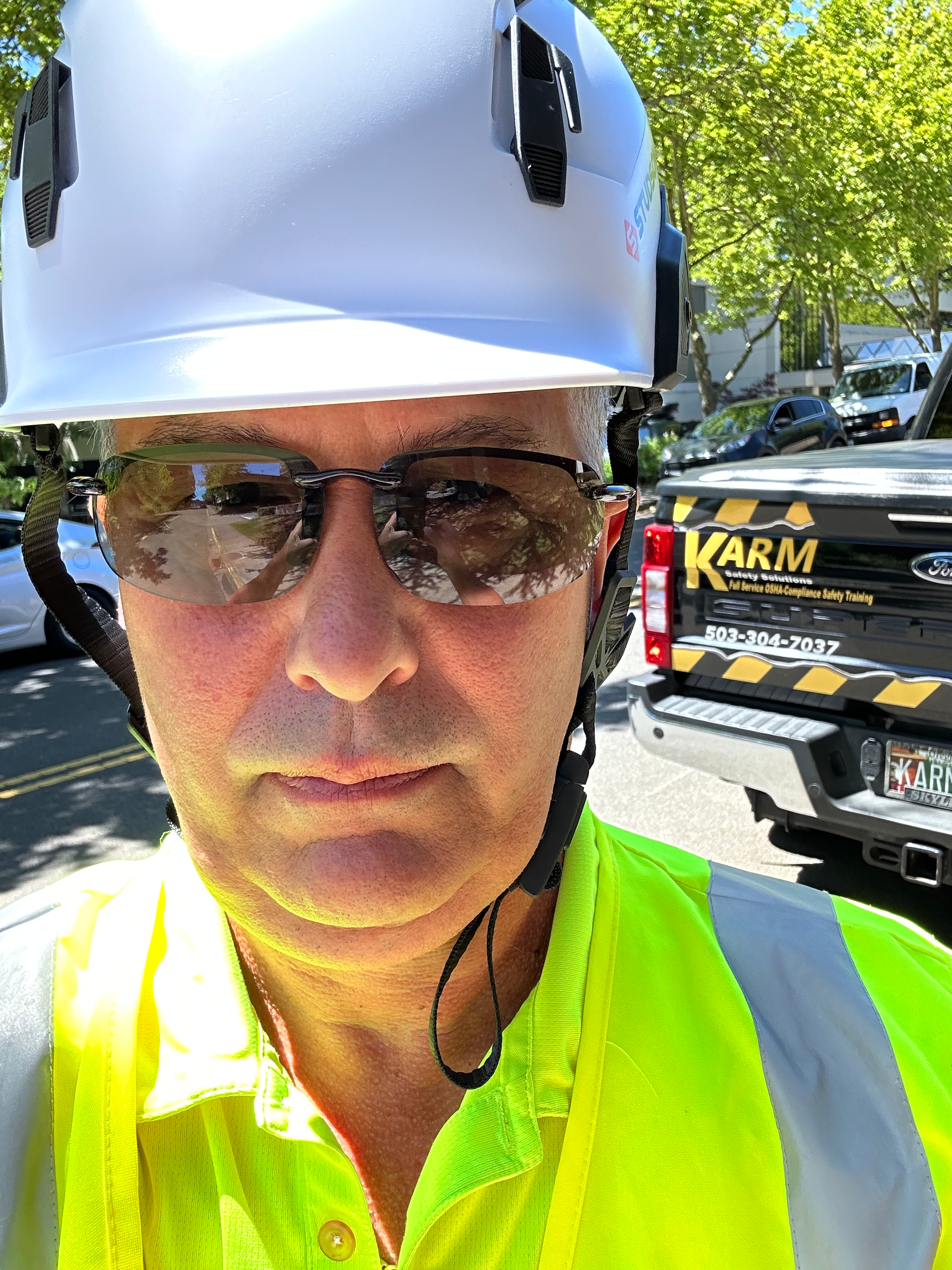
At KARM Safety Solutions, we help companies follow the OSHA hard hat standard. Our training teaches workers how to wear and care for helmets, inspect them, and replace them safely. We provide hands-on demonstrations and easy-to-follow guidance. By working with us, your team will be safer, reduce workplace injuries, and meet OSHA rules. Protect your workers today and build a strong safety culture in your company.
Contact KARM Safety Solutions to schedule hard hat safety training and certification. Keep your team safe and compliant with OSHA rules.
FAQs:
1. What is the purpose of OSHA hard hat requirements?
They protect workers from head injuries due to falling objects, bumps, or electrical hazards and ensure workplace safety compliance.
2. How often should hard hats be replaced?
Shells typically last 5 years, while suspension straps last 1–2 years; damaged or cracked helmets must be replaced immediately.
3. Can hard hats be modified with stickers or paint?
No, modifying hard hats can weaken their protection and may violate OSHA standards, making them unsafe.
4. Do workers need special training for hard hats?
Yes, training teaches proper use, inspection, and care, helping employees prevent injuries and stay compliant.
5. How can companies ensure OSHA hard hat rules are followed?
By providing the correct helmets, regular inspections, hands-on training, and keeping a record of replacements and safety checks.