By Robert Miller
•
June 28, 2026
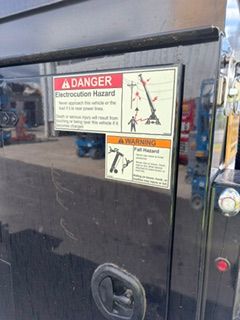
Safety decals are one of the most overlooked parts of equipment safety. They are small, they are easy to ignore, and after years of use they often become faded, scratched, painted over, torn, greasy, or completely unreadable. But those decals are there for a reason. They warn employees about pinch points, crush hazards, electrical hazards, stored energy, hot surfaces, rotating parts, fall hazards, machine limitations, operating instructions, required PPE, lockout points, and other hazards that can seriously injure or kill someone. At KARM Safety Solutions, we see this problem often during jobsite safety audits, shop inspections, and equipment operator training. A company may have good people, good equipment, and good intentions, but the safety decals on the equipment may be worn down to the point where they no longer communicate anything. When that happens, the equipment is missing an important layer of safety communication. A safety decal is not just a sticker. It is a warning. It is part of the manufacturer’s hazard communication system for that piece of equipment. It is often tied to the operator’s manual, inspection requirements, and safe operating instructions. When it is missing or unreadable, the employer loses an important piece of evidence that the hazard was identified and communicated to employees. That matters before an incident. It matters during training. It matters during safety audits. And it matters even more after an accident, serious injury, or fatality. A Decal That Was Almost Gone One day, while walking through a large shop, I noticed a caution decal on a large press. The press was roughly 15 feet wide. It was the kind of machine employees walked past every day. It was big, loud, powerful, and clearly capable of causing serious injury if someone got too close to the wrong area or placed a body part where it did not belong. The caution decal was still technically there, but barely. Most of it was worn off. You could tell something used to be printed on it, but the message was no longer clear. The color was faded. The words were difficult to read. The pictogram was damaged. What was left of the decal did not do its job. Employees walked by that press every day and likely did not think twice about it. That is part of the problem. When a warning has been damaged for a long time, people stop noticing it. It becomes part of the background. It no longer catches attention, and it no longer communicates the hazard. But if someone had been injured on that press, that missing or unreadable warning could have become a major issue. Someone would ask: Was the hazard identified? Was the warning visible? Was the equipment maintained? Did employees receive training? Did the employer know the decal was damaged? Was the condition documented during inspections? Was replacement recommended? Was the recommendation ignored? Those are the kinds of questions that come up after an incident. Why Safety Decals Matter Safety decals are important because they provide immediate hazard communication at the point of danger. They are placed where the employee needs the information, often right where the hazard exists. A written safety manual is important. Training is important. Toolbox talks are important. But when an employee is standing next to a machine, lift, forklift, press, crane, compactor, conveyor, aerial lift, skid steer, or piece of shop equipment, the decal is often the last reminder before the employee acts. A good decal can quickly communicate: Keep hands clear. Do not stand under a raised load. Stay out of the crush zone. Wear eye protection. Lock out before servicing. Read the operator’s manual. Do not exceed rated capacity. Keep clear of rotating parts. Maintain safe distance. Use fall protection. Do not bypass guards. Hot surface. Electrical hazard. Pinch point. Entanglement hazard. That communication needs to be clear, visible, and understandable. If the decal is faded, torn, painted over, covered in grease, blocked by material, or unreadable, then the warning has failed. The hazard may still be present, but the warning is no longer doing its job. Pictograms Are Critical During equipment operator training, KARM Safety Solutions stresses the importance of pictograms on decals. A pictogram is a picture or symbol used to communicate a hazard or instruction. Pictograms matter because most workers do not stop and carefully read every decal on a piece of equipment. That is not meant as an insult to workers. It is just reality. Employees are moving, working, thinking about the task, dealing with noise, production pressure, changing conditions, and other distractions. A long paragraph on a decal may not get read in the moment. A good pictogram can get the message across faster. A picture of a hand being crushed tells the worker to keep their hands away. A picture of a person being struck by a load tells the worker to stay out from under suspended material. A picture showing entanglement around a rotating shaft tells the worker to keep clothing, hair, gloves, and body parts away from moving parts. Words are still important, but pictures help people understand the danger quickly. Pictograms are also helpful for workers who speak different languages, new employees who are still learning the equipment, temporary workers, visitors, younger employees, and employees who may not fully understand the written warning. A clear pictogram can cross language barriers and help communicate the hazard immediately. That is why faded or missing pictograms are a problem. If the picture is gone, the fastest part of the warning is gone. Decals Are Part of Equipment Condition When companies inspect equipment, they often focus on the obvious mechanical issues. They check tires, forks, chains, hydraulics, guards, brakes, lights, alarms, controls, leaks, hooks, slings, cables, and structural components. All of those are important. But decals should also be part of the inspection. A machine with missing or unreadable safety decals may not be in the same safe condition it was when it left the manufacturer. The manufacturer placed those warnings on the machine because there were hazards that needed to be communicated. If those warnings are gone, damaged, or unreadable, the employer should take action. That does not always mean the equipment must be removed from service immediately in every situation. But it does mean the condition should be documented, evaluated, and corrected. If the missing decal relates to a serious hazard, operating limitation, capacity, emergency control, lockout point, or required warning, the company should treat it seriously and replace it promptly. A decal problem may seem small until it is connected to a serious injury. The OSHA and Liability Concern Employers are responsible for providing a safe workplace and for maintaining equipment in safe condition. OSHA does not look at equipment safety only after a machine breaks. OSHA also looks at whether hazards were identified, whether employees were protected, whether warnings were in place, whether training was effective, and whether the employer took reasonable steps to correct known hazards. If an accident or fatality happens and OSHA sees that required markings, warnings, decals, capacity plates, or safety instructions were missing or illegible, that can become part of the investigation. It may support the argument that the employer failed to maintain equipment properly, failed to communicate hazards, failed to follow manufacturer requirements, or failed to correct a recognized hazard. That is why KARM Safety Solutions advises companies to replace bad decals when they are found during audits. This is not about being picky. It is about protecting employees and protecting the company. If a safety decal is missing or unreadable today, the company has a chance to fix it before it becomes evidence after an incident. A faded decal is cheap to replace. A serious injury is not. What KARM Looks for During Safety Audits During safety audits, KARM Safety Solutions looks at equipment from both a compliance standpoint and a practical worker-safety standpoint. We are not just looking for paperwork. We are looking for conditions that could contribute to an injury. When it comes to decals and equipment markings, we look for: Missing warning decals. Faded decals. Torn decals. Painted-over decals. Grease-covered decals. Decals blocked by attachments, stored material, guards, or modifications. Decals that no longer match the equipment configuration. Missing capacity plates. Unreadable load charts. Missing control labels. Missing emergency stop labels. Missing lockout/tagout point labels. Warnings damaged by pressure washing, chemicals, sunlight, abrasion, or heat. Decals in English only where pictograms or additional communication may be needed. Old decals that no longer match current manufacturer instructions. Decals removed during repainting or repair and never replaced. Equipment where the operator’s manual is missing and decals are also unreadable. When we find these issues, we document them and recommend corrective action. Usually, the corrective action is simple: contact the manufacturer or dealer, order the correct replacement decals, install them in the correct location, and document that the correction was completed. Common Equipment Where Decals Are Often Missing Bad decals can be found on almost any equipment, but we commonly see problems on: Forklifts. Telehandlers. Aerial lifts. Scissor lifts. Boom lifts. Service truck cranes. Skid steers. Excavators. Backhoes. Wheel loaders. Tractors. Balers. Presses. Compactors. Conveyors. Table saws. Shop equipment. Hydraulic presses. Roll-up doors. Compressors. Generators. Welders. Material handling equipment. Trailers. Rigging equipment storage areas. Lockout/tagout points. The bigger and older the equipment, the more likely it is that decals have been damaged, removed, or ignored. Outdoor equipment is especially vulnerable. Sunlight fades decals. Rain and weather break them down. Pressure washing peels them away. Dirt and grease cover them. Repairs and repainting remove them. Attachments can block them. Over time, what used to be a clear warning becomes a faded square that nobody reads. Training and Decals Must Work Together Training and decals are not separate. They support each other. In operator training, employees should be taught to look for safety decals during pre-use inspections. They should know what the decals mean, why they matter, and what to do if a decal is missing or unreadable. For example, forklift operators should understand the importance of the data plate, capacity information, attachment information, and warning labels. Aerial lift operators should understand platform capacity, fall protection requirements, crushing hazards, tip-over warnings, and emergency lowering instructions. Press operators should understand pinch points, point-of-operation hazards, guarding requirements, lockout requirements, and safe operating zones. If training tells workers to follow the manufacturer’s warnings but the warnings are gone, the company has a gap. If the decal says “Read operator’s manual before operating,” but the manual is missing and the decal is unreadable, the company has another gap. If a decal warns against reaching into a pinch point, but the decal has been worn off for years, the company should not be surprised when employees stop recognizing that area as a hazard. Good training teaches employees to respect the equipment. Good decals reinforce that message every day. Why Workers Stop Seeing Warnings One of the reasons decal condition matters is because workers can become blind to hazards they see every day. When employees walk past the same equipment daily, they may stop noticing it. A large machine becomes part of the background. A caution sticker becomes part of the paint. A warning that once stood out becomes invisible. This is especially true when a decal is damaged. A bright, clean, clear warning can catch attention. A half-missing faded label does not. Once the message is gone, the decal becomes visual clutter. It looks old, neglected, and unimportant. Workers subconsciously learn that nobody cares about it. That sends the wrong message. If the company ignores the safety decals, employees may assume the warnings are not important. If the company replaces damaged decals and talks about them during training, employees are more likely to pay attention. Safety culture is built through small details. Decals are one of those details. What a Bad Decal Tells an Auditor A damaged decal may tell an auditor more than the company realizes. It may suggest that: Equipment inspections are not detailed enough. Operators are not reporting issues. Supervisors are not looking closely at equipment. Maintenance is focused only on production-related repairs. Manufacturer instructions may not be followed. Employees may not understand the hazard. The company does not have a clear process for replacing warnings. The equipment may have other overlooked safety issues. A bad decal does not automatically mean the whole safety program is bad. But it is a clue. It tells the auditor to look deeper. If the caution decal on a press is unreadable, what about the guards? What about the emergency stop? What about the lockout procedure? What about employee training? What about maintenance records? What about the operator’s manual? What about the daily inspection process? Small findings often lead to bigger questions. Decals and Manufacturer Requirements Equipment manufacturers place decals in specific locations for a reason. Those decals are usually based on known hazards, design limitations, warnings from the operator’s manual, and industry standards. When a decal is missing, the safest practice is to replace it with the correct manufacturer-approved decal. Companies should avoid making random homemade labels unless the manufacturer decal is unavailable and the replacement accurately communicates the hazard. A homemade label may be better than no warning temporarily, but it may not include the correct signal word, pictogram, wording, color, or hazard information. Best practice is to: Identify the equipment make, model, and serial number. Contact the manufacturer, dealer, or authorized parts supplier. Order the correct decal kit or individual warning label. Install decals in the correct location. Document the replacement. Train employees if the warning relates to a serious hazard or new information. For older equipment, decal kits are often available. Even when they are not, the company should still make a good-faith effort to restore hazard communication to the equipment. Decals Should Be Part of Preventive Maintenance Safety decals should not be replaced only after an audit finding. They should be part of the company’s regular preventive maintenance and inspection program. A good program should include: Checking decals during pre-use inspections. Checking decals during monthly or quarterly maintenance. Reviewing decal condition during annual equipment inspections. Replacing decals after repainting or repair. Replacing decals when equipment is modified. Replacing decals when they become faded, torn, or unreadable. Keeping records of ordered and replaced decals. Training operators to report missing or damaged decals. Including decal condition in safety audits. This does not need to be complicated. A simple checkbox on the inspection form can make a difference: “Safety decals, labels, markings, and capacity plates are present, legible, and in good condition.” That one line can help catch problems before they turn into bigger issues. Do Not Paint Over the Warning One of the most common problems KARM sees is equipment that has been repainted without replacing decals. The machine may look clean and refreshed, but the warning labels are gone. Sometimes the decal was painted over. Sometimes it was removed before painting and never put back. Sometimes only a few decals were replaced, while others were forgotten. This creates a serious problem. A fresh coat of paint does not make equipment safer if the warning system is removed. Any time equipment is painted, refurbished, repaired, or modified, the company should verify that all required decals, labels, plates, and markings are restored before the equipment goes back into service. If a machine comes back from repair without decals, do not assume it is complete. Check it. Capacity Plates and Data Plates Are Not Optional Details Some decals are warnings. Others provide operating limits. Capacity plates and data plates are especially important because they tell operators what the equipment can safely do. Missing or unreadable capacity information can lead to overloading, tip-overs, dropped loads, mechanical failure, or structural damage. This is especially important for: Forklifts. Telehandlers. Aerial lifts. Service truck cranes. Hoists. Jibs. Rigging equipment. Presses. Lifting attachments. Material handling equipment. If an operator cannot read the rated capacity, attachment information, load chart, or operating limitation, they may guess. Guessing is not a lift plan. Guessing is not safe operation. During training, employees should be reminded that if they cannot verify the capacity, they should stop and ask. Multilingual Workforces and Visual Communication Many companies have employees who speak different languages. This makes pictograms and clear visual warnings even more important. A decal with a clear image can help communicate the hazard even when the worker does not fully understand the written language. However, pictograms should not replace training. They should support training. Employers should consider the workforce when evaluating decals and signs. If employees cannot understand the warning, the warning is not fully effective. Training, translated materials, bilingual instruction, pictograms, demonstrations, and supervisor follow-up may all be needed. The goal is not just to have a decal on the equipment. The goal is for employees to understand the hazard and know what action to take. The Difference Between Seeing and Understanding A decal must be visible, but visibility alone is not enough. Employees need to understand what the warning means. A warning decal should communicate three things: The hazard. The consequence. The action needed to avoid injury. For example, a good warning does not just say “Caution.” It should explain the hazard. It may show a pictogram. It may say to keep hands clear, lock out before servicing, stay out of the crush zone, or read the manual before operating. During safety audits, KARM looks at whether the decal can actually be understood by the worker doing the task. If it is too faded to read, covered in grime, hidden behind equipment, or missing the pictogram, it is not doing its job. Replacing Decals Is a Simple Corrective Action Compared to many safety corrections, replacing decals is simple and affordable. It does not usually require major engineering, shutdowns, or expensive redesign. It requires attention, follow-through, and documentation. The corrective action should include: Identify the missing or damaged decal. Photograph the condition. Determine the equipment make, model, and serial number. Order the correct replacement from the manufacturer or dealer. Install the decal in the correct location. Update the inspection record. Communicate the correction to employees. Verify during the next audit or inspection. This process shows that the company identified the hazard and corrected it. That documentation can matter. If an incident happens later, the company can show that it had a process for inspecting and maintaining equipment warnings. What Employers Should Ask Themselves Employers should periodically walk their shop, yard, warehouse, farm, or jobsite and ask: Are equipment safety decals legible? Are capacity plates readable? Are warnings covered by dirt, grease, paint, or attachments? Are decals missing after repairs or repainting? Do operators understand the pictograms? Are employees trained to report damaged decals? Are decal issues included in inspections? Do supervisors follow up when decals are damaged? Are replacement decals ordered promptly? Are correction records kept? Would this equipment look acceptable during an OSHA inspection? Would we be comfortable defending this condition after an injury? That last question is important. If the answer is no, fix it now. KARM Safety Solutions’ Approach KARM Safety Solutions helps companies identify problems before OSHA, insurance, or an incident forces the issue. During safety audits, we look for practical hazards that employees are exposed to every day. Bad decals are one of those hazards. We do not point them out to nitpick. We point them out because they matter. When KARM finds missing, damaged, or unreadable decals during an audit, we advise the company to replace them. We also recommend that decal condition be added to the company’s equipment inspection process. During operator training, we remind employees that decals are part of the machine’s safety communication system and must be respected. We also stress the importance of pictograms. A picture can communicate quickly. A worker may not stop and read every word, but a clear pictogram showing a crush hazard, pinch point, entanglement hazard, or falling load can make the warning easier to understand at a glance. The goal is to help companies build safer habits and catch problems before someone gets hurt. The Bottom Line Legible safety decals are a small detail with a big impact. They help communicate hazards, support training, reinforce manufacturer warnings, and remind employees of safe operating practices at the point of use. A missing or unreadable decal may seem minor during a busy workday, but after an accident or fatality, it can become a serious issue. OSHA may look at whether the employer maintained equipment, communicated hazards, followed manufacturer requirements, and corrected known unsafe conditions. Replacing a bad decal is simple. Ignoring it can be costly. If employees walk past the same faded warning every day, they may stop seeing the hazard. If the company takes the time to replace the warning, talk about it, and train employees on what it means, that small action can help prevent a serious injury. KARM Safety Solutions helps companies find these issues during safety audits and equipment training so they can be corrected before an incident happens. Safety is not only about the big items. It is also about the small warnings that keep employees aware, alert, and alive. KARM Safety Solutions Building Safer Workplaces — One Training at a Time.