Who Needs Rigger and Signal Person Competent Person Training?
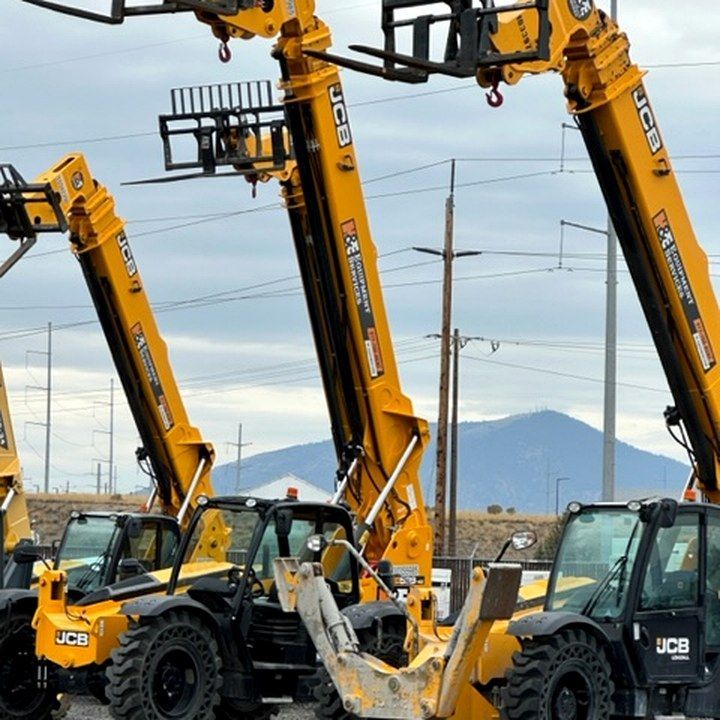
Washington State also has new Rules for suspended loads on Forklifts
Lifting operations are some of the highest-risk activities on a jobsite. When loads are moved incorrectly, the results can be catastrophic—serious injuries, fatalities, equipment damage, and costly citations. That’s why OSHA and state regulations require qualified riggers and signal persons to be involved in lifting operations when specific conditions exist.
Understanding who needs this training is critical for compliance and, more importantly, for keeping workers safe.
What Is a Rigger and Signal Person?
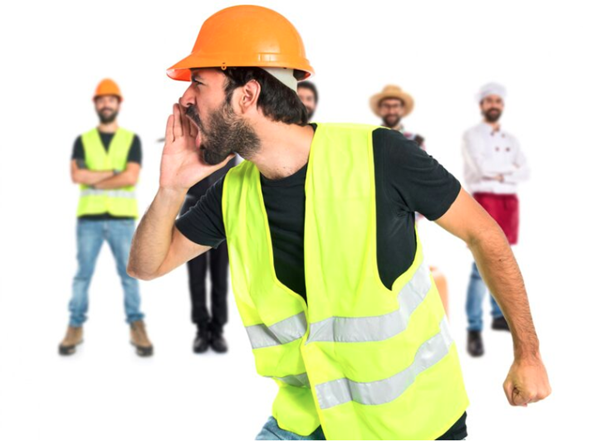
A rigger is responsible for attaching loads to lifting equipment using slings, shackles, hooks, and other rigging hardware. A signal person communicates with the equipment operator to direct load movement when the operator does not have a clear view of the load or landing area.
In many cases, one individual may perform both roles—but only if they are trained, qualified, and competent to do so.
Who Is Required to Have Rigger Training?
Rigger training is required for any worker who selects, inspects, or connects rigging used to lift loads. This includes workers who:
- Attach loads to cranes, hoists, or forklifts used for lifting
- Select rigging equipment such as slings, shackles, or lifting devices
- Inspect rigging before or during use
- Make decisions about load balance or attachment points
If an employee is involved in how a load is rigged, they need rigger training appropriate to the complexity of the lift.
Who Is Required to Have Signal Person Training?
Signal person training is required when:
- The operator’s view of the load or landing area is obstructed
- The operator cannot see the signal person clearly
- The lift involves hazards that require coordinated communication
- Multiple pieces of equipment or personnel are involved
Signal persons must understand standard hand signals, radio communication protocols, and emergency stop signals, and must be competent to communicate clearly and consistently.
When Is Competent Person-Level Training Needed?
Competent person-level training is required when individuals are expected to:
- Identify and correct hazardous conditions
- Make decisions about lift safety
- Stop work when unsafe conditions exist
- Oversee or direct other workers during lifting operations
Supervisors, foremen, lead workers, and lift directors often require competent person-level rigger and signal person training, even if they are not physically attaching loads.
Who Commonly Needs This Training?
Rigger and signal person competent person training is commonly required for:
- Crane operators (coordination awareness)
- Riggers and ironworkers
- Signal persons and spotters
- Lift directors
- Supervisors and foremen
- Safety managers overseeing lifting operations
- Workers involved in suspended or complex lifts
If a worker has authority or responsibility over a lift, training is required.
Why This Training Matters
Improper rigging or miscommunication during lifts is one of the leading causes of crane and hoisting incidents. Training ensures workers can:
- Recognize unsafe rigging setups
- Communicate effectively with operators
- Prevent struck-by and crushed-by hazards
- Comply with OSHA and state requirements
- Protect themselves and others on the jobsite
How KARM Safety Solutions Helps
KARM Safety Solutions provides Rigger and Signal Person competent person training designed for real-world jobsite conditions. Our training covers hazard recognition, safe work practices, communication methods, and regulatory expectations, with options for online, instructor-led, and blended delivery.
Whether you’re an individual worker or managing an entire crew, proper training helps ensure lifts are planned, communicated, and executed safely.
Final Takeaway
If a worker is rigging loads, signaling operators, supervising lifts, or making safety decisions during lifting operations, they need rigger and signal person training. When that role includes identifying hazards and stopping unsafe work, competent person-level training is essential.
Proper training isn’t just about compliance—it’s about preventing the next serious incident before it happens.