Heat Training: OSHA & State-Compliant Annual Heat Illness Prevention Training
Heat Training That Helps Workers Recognize Danger Before It Becomes an Emergency
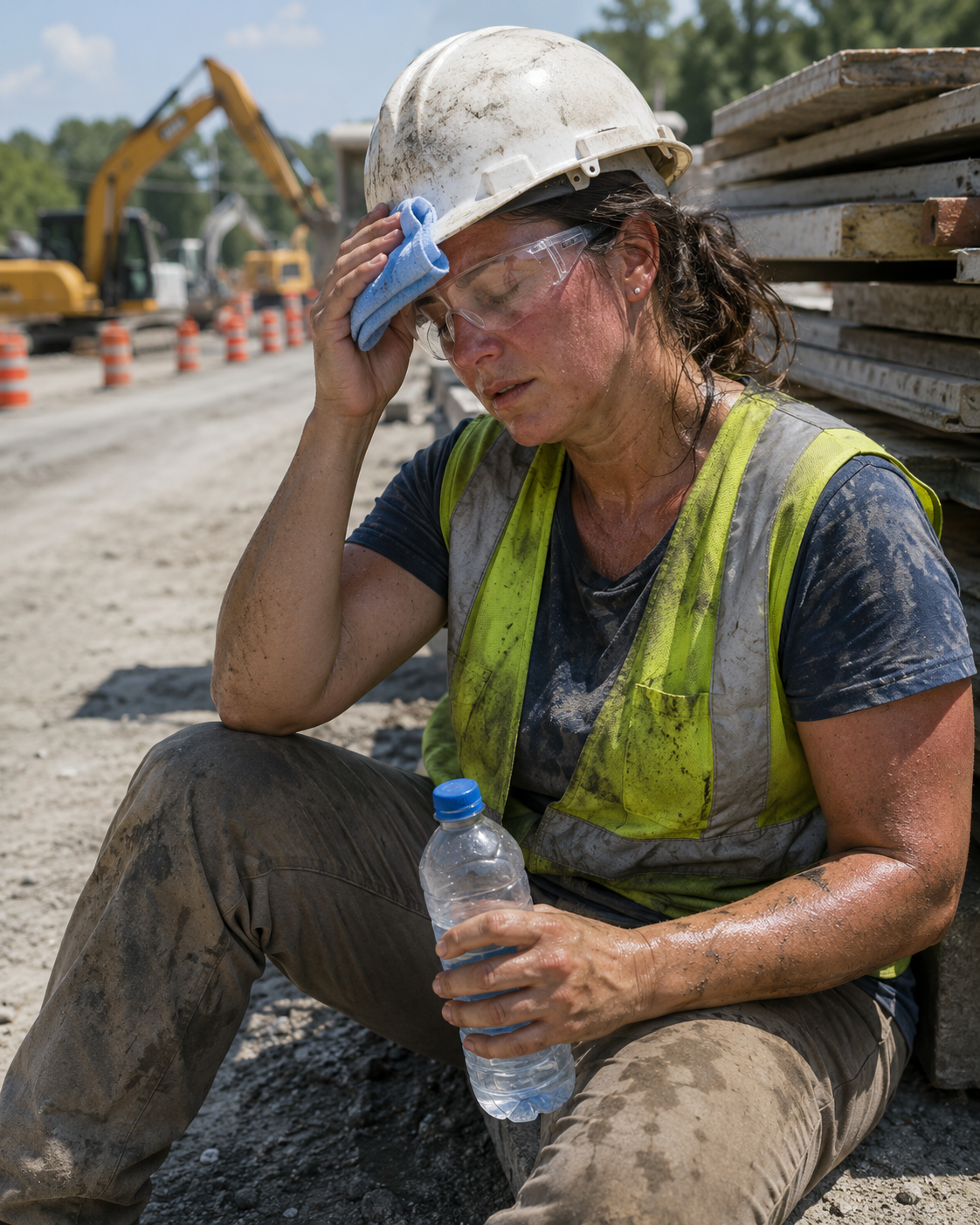
Heat illness can happen quickly. A worker may start the day feeling fine and become seriously ill within hours as temperatures rise, workload increases, PPE traps body heat, or shade and water are not used correctly.
KARM Safety Solutions provides online heat illness prevention training designed to help workers and supervisors recognize heat hazards early, prevent heat-related illness, respond to symptoms, and meet OSHA and state heat safety training expectations.
Heat is one of the most underestimated hazards on the jobsite. Employers often provide water and believe they are covered, but effective heat safety requires more than water alone.
Workers need to understand:
- How heat illness starts
- What symptoms to report immediately
- Why new and returning workers are at higher risk
- How workload, PPE, humidity, direct sun, and fatigue increase danger
- What supervisors must do when symptoms appear
- When changing conditions require stopping, reassessing, and adjusting the work
Federal OSHA states that supervisors and workers should be trained about heat hazards, prevention, and first aid, including signs and symptoms of heat illness, emergency medical response, acclimatization, job-related risk factors, and fluid replacement.
Why Employers Get Heat Training Wrong
Many heat illness incidents happen because training is treated like a checkbox instead of a prevention system.
Common mistakes include:
- Training only once and never refreshing the message
- Focusing only on drinking water
- Ignoring acclimatization for new or returning workers
- Failing to train supervisors on emergency response
- Not teaching workers to recognize early symptoms
- Not adjusting work when conditions change
- Assuming experienced workers are automatically protected
- Not documenting training or communicating the heat plan
OSHA emphasizes that heat-related illness is preventable and that workers who have not recently worked in hot environments need time to acclimatize through shorter shifts, frequent breaks, fluids, and close symptom awareness.
Heat Illness Prevention Training Covers:
- Heat stress, heat exhaustion, and heat stroke
- Early warning signs and emergency symptoms
- Worker and supervisor responsibilities
- Water, rest, shade, and cool-down practices
- Acclimatization for new, returning, and temporary workers
- High-risk work conditions, PPE, and heavy exertion
- Emergency response and when to call 911
- Reporting symptoms without delay
- How changing jobsite conditions increase heat risk
- State-specific requirements where applicable
OSHA & State Compliance Alignment
Federal OSHA
Federal OSHA has not finalized a nationwide heat standard as of the current OSHA rulemaking status. OSHA published a proposed heat injury and illness prevention rule in 2024, and the public hearing process continued through 2025.
Even without a final federal heat standard, OSHA continues to identify heat as a recognized workplace hazard and provides employer guidance on planning, training, water, rest, shade, emergency response, and protecting new workers.
Washington
Washington L&I requires employers covered by its Outdoor Heat Exposure rules to address outdoor heat exposure in the Accident Prevention Program and provide annual training to employees and supervisors on symptoms of outdoor heat exposure and prevention policies. Washington also requires water, shade or cooling methods, cool-down rest periods, acclimatization observation, emergency procedures, and communication methods.
Oregon
Oregon OSHA’s heat illness prevention rules apply when employees perform work in indoor or outdoor environments where the heat index equals or exceeds 80°F. Oregon OSHA’s heat resources state that its online course satisfies 5 of the 7 employee training requirements under OAR 437-002-0156 and OAR 437-004-1151.
California
California requires employers to protect workers from heat illness in outdoor workplaces through training, water, shade, rest, and planning. Cal/OSHA also has indoor heat illness prevention requirements for many workplaces where indoor temperatures reach applicable thresholds.
Compliance note: State heat rules vary. Employers should verify requirements for each state where employees work. Even Washington rule documents remind employers to use official state sources for the most current legal version of rules.
Who Needs Heat Training?
This training is ideal for:
- Construction workers
- Outdoor crews
- Roadwork and traffic control teams
- Utility workers
- Landscaping crews
- Warehouse and indoor heat-exposed workers
- Supervisors and foremen
- Safety managers
- New hires and seasonal workers
- Employers operating in Oregon, Washington, California, or other state-plan states
FAQ
Is heat training required by OSHA?
Federal OSHA currently provides heat illness prevention guidance and has proposed a federal heat standard, but the final rule has not been completed based on OSHA’s current rulemaking status. Some state-plan states, including Washington, Oregon, and California, have specific heat illness prevention requirements.
Is annual heat training required?
Annual training is required in some states, including Washington, Oregon and California for covered outdoor heat exposure work. In other states, training requirements may apply before heat exposure work begins, when conditions change, or when retraining is needed. Annual refresher training is also required for employees who experience recurring heat exposure.
Who should take heat training?
Workers, supervisors, foremen, safety managers, outdoor crews, construction workers, utility workers, landscapers, road crews, and employees exposed to hot indoor or outdoor conditions should receive heat illness prevention training.
What should heat training include?
Effective heat training should cover symptoms, prevention, acclimatization, water, rest, shade, emergency response, worker reporting, supervisor duties, and jobsite-specific procedures. KARM's heat training covers all the requirements.
Why is supervisor heat training important?
Supervisors are often the first line of defense. They must recognize symptoms, adjust work, monitor new or returning workers, activate emergency response, and make sure employees are following the heat illness prevention plan.