Robert Miller • January 28, 2025

Forklift Certification: How Often Do Employees Need to Renew It?

Operating a forklift is a critical responsibility that ensures the safety of workers and the efficiency of warehouse and construction operations. But with the responsibility of operating such machinery comes the need for proper certification. Forklift certification is not a one-time process it needs to be regularly updated to maintain a safe working environment. Let’s explore how often employees need to renew their forklift certification and the importance of staying compliant with OSHA standards.


The Basics of Forklift Certification


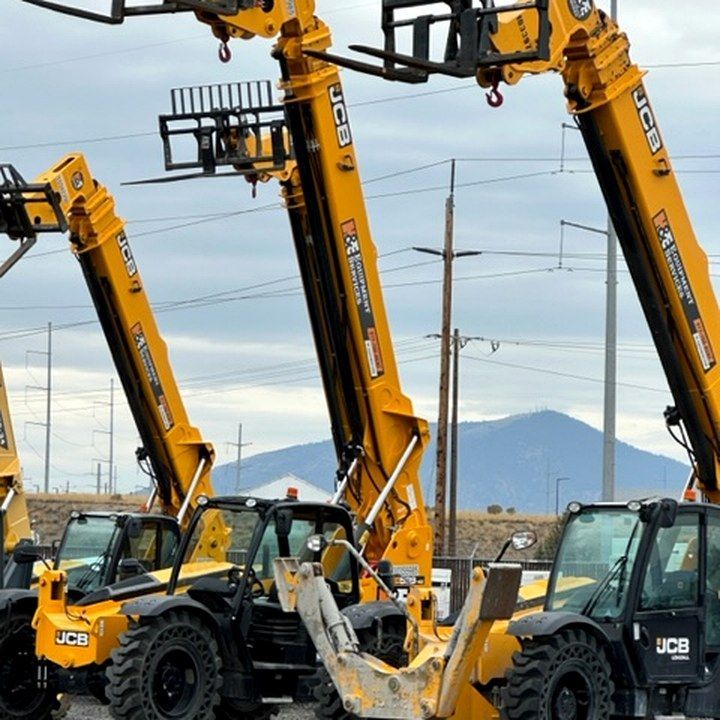
Forklift certification is a requirement in the United States, regulated by the Occupational Safety and Health Administration (OSHA). OSHA mandates that all individuals operating forklifts, powered industrial trucks, or rough terrain forklifts must complete an approved forklift training program. This ensures operators are trained on the proper techniques and safety protocols necessary to prevent accidents.

The certification process typically includes both theoretical classroom training and practical, hands-on exercises to ensure that operators can demonstrate their skills safely and effectively.


How Long Does Forklift Certification Last?


When it comes to maintaining forklift certification, it’s essential to understand that it does not last indefinitely. How long does forklift certification last? According to OSHA guidelines, forklift certification needs to be renewed every three years. This time frame ensures that operators remain up-to-date with the latest safety protocols, machine technology, and OSHA regulations.

Regular recertification also ensures that operators' skills are continually assessed, reinforcing safe handling and operation of forklifts in various working environments.


Factors That Might Require Early Recertification


Although forklift certification is typically renewed every three years, there are circumstances where recertification may be required sooner. For instance:


  • Change in Work Environment: If an operator is assigned to a different type of forklift or work environment, such as moving from a warehouse to a construction site using rough terrain forklifts, they may need additional training.

  • Unsafe Practices or Accidents: If an operator is observed operating the forklift unsafely or involved in an accident, refresher training or early recertification may be necessary to ensure safe operations.

  • Regulatory Changes: OSHA standards are updated frequently. If new regulations are introduced, operators may need to undergo updated training to ensure compliance with the latest safety standards.


The Process of Forklift Certification Renewal


Renewing forklift certification involves attending a refresher course that covers updated regulations, best practices, and new machine technologies. The training typically includes both theoretical learning and hands-on assessments to evaluate the operator's current skills.

Employers can choose to conduct training at their facilities or have it done through a certified third-party provider. Many companies, offer OSHA-compliant training that is tailored to the specific needs of the business, ensuring that operators receive the most relevant and up-to-date instruction.


Why Forklift Certification Matters


The importance of regular forklift certification goes beyond compliance it is about safety. Every time an operator is recertified, they reinforce their knowledge of safe practices, which can significantly reduce the risk of workplace accidents. These accidents can lead to serious injuries or property damage, making it essential to stay on top of training and certifications.

Additionally, by regularly updating forklift certification, employers ensure that their workers are operating with the latest safety protocols and handling procedures, minimizing the potential for mistakes.


Wrap Up:


For businesses looking to stay compliant and ensure the safety of their forklift operators, KARM Safety Solutions offers comprehensive forklift certification in Oregon and training services. Their OSHA-compliant training programs cover all types of forklifts, including rough terrain and other powered industrial trucks. With a focus on hands-on learning and the latest standards, KARM Safety Solutions ensures that your operators receive the best possible training, keeping your workplace safe and your operations running smoothly. With KARM Safety Solutions, your team will always be ready to meet the latest safety requirements, so you can focus on what matters most—running a safe and efficient business.

By Robert Miller March 12, 2026
Why It Still Happens and How to Prevent It
By Robert Miller March 4, 2026
Why Every Organization Needs a Clear, OSHA-Compliant Safety Program
By Robert Miller February 28, 2026
Protecting Your Workforce with Hearing Conservation Training from KARM Safety Solutions
OSHA Floor Marking Colors
By Robert Miller February 24, 2026
Learn how OSHA floor marking colors guide workflow, reduce accidents, and improve efficiency with KARM Safety Solutions’ expert guidance.
OSHA inspections
By Robert Miller February 22, 2026
Learn practical steps, checklists, and expert tips from KARM Safety Solutions to stay ready and compliant for OSHA inspections.
OSHA Safety Training
By Robert Miller February 20, 2026
Learn about top workplace hazards, OSHA training tips, and expert safety programs from KARM Safety Solutions to protect employees effectively.
Osha Color Coding
By Robert Miller February 18, 2026
Learn how proper color coding improves safety, prevents accidents, and guides employees effectively with KARM Safety Solutions.
By Robert Miller February 17, 2026
Building Safer Workplaces, One Training at a Time
By Robert Miller February 7, 2026
KARM Safety Solutions want to be your sole provider of safety training
By Robert Miller January 21, 2026
Las operaciones de izaje son algunas de las actividades más peligrosas en un lugar de trabajo. Cuando las cargas se levantan o mueven de forma incorrecta, las consecuencias pueden ser graves: lesiones serias, muertes, daños a equipos y sanciones costosas. Por esta razón, OSHA y las regulaciones estatales exigen que riggers y señaleros calificados participen en las operaciones de izaje cuando existen ciertos riesgos. Comprender quién necesita esta capacitación es fundamental para cumplir con la normativa y, lo más importante, para mantener a los trabajadores seguros. ¿Qué es un Rigger y un Señalero? Un rigger es la persona responsable de seleccionar, inspeccionar y conectar las cargas al equipo de izaje utilizando eslingas, grilletes, ganchos y otros dispositivos de rigging. Un señalero es la persona que se comunica con el operador del equipo para dirigir el movimiento de la carga cuando el operador no tiene una vista clara de la carga o del área de colocación. En algunos casos, una misma persona puede cumplir ambos roles, pero solo si está debidamente capacitada, calificada y es competente . ¿Quién Necesita Capacitación como Rigger? La capacitación como rigger es necesaria para cualquier trabajador que participe en la selección, inspección o conexión del rigging utilizado para levantar cargas. Esto incluye a trabajadores que: Conectan cargas a grúas, polipastos o montacargas utilizados para izaje Seleccionan eslingas, grilletes u otros dispositivos de izaje Inspeccionan el rigging antes o durante su uso Toman decisiones sobre el balance de la carga o los puntos de sujeción Si un trabajador influye en cómo se asegura una carga , necesita capacitación como rigger adecuada al nivel de riesgo del trabajo. ¿Quién Necesita Capacitación como Señalero? La capacitación como señalero es requerida cuando: El operador no puede ver claramente la carga o el área de aterrizaje La vista del operador está obstruida La operación de izaje presenta riesgos adicionales Participan múltiples trabajadores o equipos Los señaleros deben conocer las señales manuales estándar, los protocolos de comunicación por radio y las señales de parada de emergencia , y deben ser capaces de comunicarse de manera clara y consistente. ¿Cuándo se Requiere Capacitación a Nivel de Persona Competente? La capacitación a nivel de persona competente es necesaria cuando un trabajador tiene la responsabilidad de: Identificar condiciones peligrosas Corregir riesgos de seguridad Detener el trabajo cuando existen condiciones inseguras Supervisar o dirigir a otros trabajadores durante operaciones de izaje Supervisores, capataces, líderes de cuadrilla y directores de izaje frecuentemente necesitan capacitación de persona competente como rigger y señalero, incluso si no están conectando físicamente las cargas . ¿Quiénes Comúnmente Necesitan Esta Capacitación? Esta capacitación es comúnmente requerida para: Riggers y trabajadores de acero Señaleros y spotters Directores de izaje (Lift Directors) Supervisores y capataces Gerentes de seguridad Operadores de equipos que trabajan con izajes Trabajadores expuestos a cargas suspendidas Si una persona tiene autoridad o responsabilidad sobre una operación de izaje , la capacitación es necesaria. ¿Por Qué es Importante Esta Capacitación? El rigging incorrecto o la mala comunicación durante un izaje son causas comunes de incidentes graves. La capacitación ayuda a los trabajadores a: Reconocer configuraciones inseguras de rigging Comunicarse de manera efectiva con los operadores Prevenir riesgos de golpeado o aplastamiento Cumplir con los requisitos de OSHA y del estado Proteger su vida y la de sus compañeros ¿Cómo Ayuda KARM Safety Solutions? KARM Safety Solutions ofrece capacitación de persona competente para Rigger y Señalero diseñada para condiciones reales de trabajo. Nuestros cursos cubren identificación de riesgos, prácticas seguras, métodos de comunicación y expectativas regulatorias, con opciones en línea, presenciales y combinadas , disponibles también en español. Conclusión Si un trabajador asegura cargas, dirige movimientos, supervisa izajes o toma decisiones de seguridad durante operaciones de izaje , necesita capacitación como rigger y señalero. Cuando ese rol incluye identificar riesgos y detener trabajos inseguros, la capacitación a nivel de persona competente es esencial . La capacitación adecuada no solo es un requisito de cumplimiento, es una herramienta clave para prevenir el próximo incidente grave antes de que ocurra.