How Aerial Lift & Scissor Lift Safety Training Reduces Construction Site Risks?
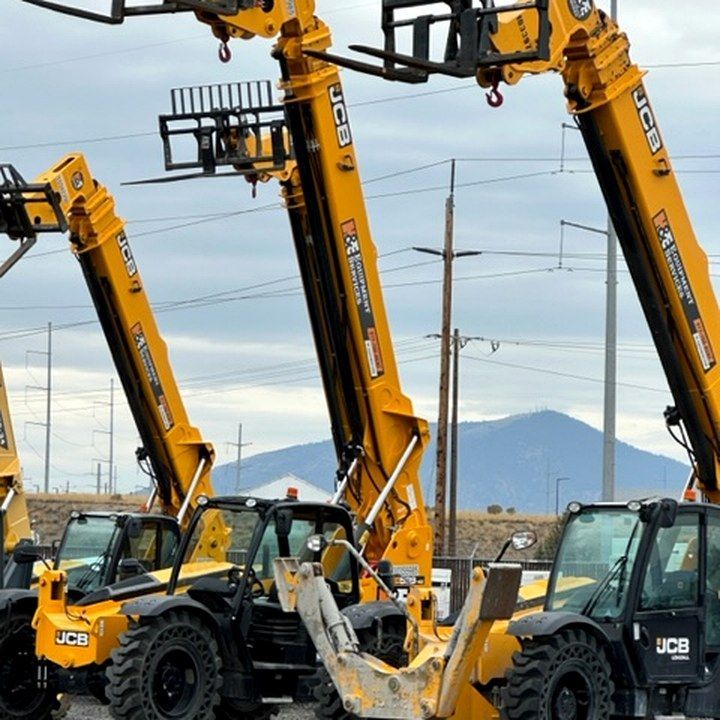
Construction sites are dynamic environments where workers often operate heavy machinery and work at great heights. While these machines are essential for various tasks, they come with risks, especially when used improperly. Aerial lift and scissor lift safety training and certification is a crucial part of managing these risks and ensuring the safety of all workers. Let’s will explore how this specialized training can help reduce accidents and improve overall safety on construction sites.
Understanding the Importance of Safety Training
Proper training is not just a regulatory requirement; it is a vital part of maintaining a safe work environment. Aerial lift training certificate and scissor lift safety training and certification ensures that workers know how to operate these machines safely, reducing the risk of falls, injuries, and fatalities. The training covers everything from basic equipment operation to understanding safety protocols and how to deal with potential hazards on the job site.
Minimizing Fall Hazards
One of the most significant risks on a construction site involves falls from height. Workers using aerial lifts and scissor lifts are particularly vulnerable if safety measures are not followed. Aerial lift and scissor lift safety training equips operators with the knowledge of how to properly use fall protection systems, like harnesses, guardrails, and safety nets, to prevent accidents. The training also emphasizes the importance of inspecting equipment before use to ensure everything is in working order, which can significantly lower the risk of falls.
Improving Equipment Handling Skills
Aerial lifts and scissor lifts are powerful machines, but they require skilled operators. Improper use of this equipment can lead to tipping, collisions, or electrical hazards. Training ensures that workers understand how to operate these machines correctly, from lifting and lowering platforms to controlling the machines' speed and direction. By mastering these skills, operators can avoid accidents caused by misuse and enhance productivity on the job site.
Ensuring Compliance with Safety Regulations
Construction sites are governed by strict safety regulations, and failure to comply with these regulations can result in fines and legal consequences. Aerial lift and scissor lift safety training and certification helps employers meet these regulatory requirements by ensuring that all operators are properly trained and certified. This not only protects workers but also ensures that the company remains in compliance with OSHA (Occupational Safety and Health Administration) standards, reducing the risk of costly penalties.
Fostering a Safety Culture on the Job Site
When employees undergo aerial lift and scissor lift safety training, it fosters a culture of safety throughout the construction site. Workers who are trained are more likely to follow safety protocols, report hazards, and encourage their colleagues to do the same. A safe work culture can significantly reduce the occurrence of accidents and improve overall site efficiency. Training promotes proactive thinking, where workers anticipate potential risks and take preventative measures.
How Training Boosts Confidence and Productivity
Proper training builds confidence. When workers feel confident in their ability to safely operate aerial and scissor lifts, they are more efficient and less likely to make mistakes. Aerial lift and scissor lift safety training empowers workers to handle challenging tasks, knowing they have the skills and knowledge to do so safely. This leads to higher productivity and less downtime due to accidents or injuries.
In Closing:
If you are looking to ensure that your team is properly trained, KARM Safety Solutions offers top-tier aerial lift training certificates to meet all safety standards and regulations. Our training programs are designed to provide comprehensive knowledge and hands-on experience that reduce risk and boost safety on construction sites. Don’t wait until an accident happens choose KARM Safety Solutions for all your safety training needs and ensure your team is certified and ready to work safely at heights.