How Asbestos Supervisor Training Protects Workers & Worksites?
Asbestos exposure remains a significant health risk in many industries, especially construction and demolition. Asbestos supervisor training is crucial for protecting workers and ensuring safe work environments. The training prepares individuals to handle asbestos-related tasks, such as overseeing abatement work and ensuring compliance with safety regulations. In this blog, we'll explore how this specialized training safeguards workers and helps maintain safe worksites.
Importance of Asbestos Supervisor Training
Asbestos is a naturally occurring mineral known for its heat resistance and durability, making it useful in a variety of building materials. However, asbestos fibers can cause serious health issues, including lung cancer and mesothelioma, when inhaled. As a result, proper training is necessary for anyone working with or around asbestos.
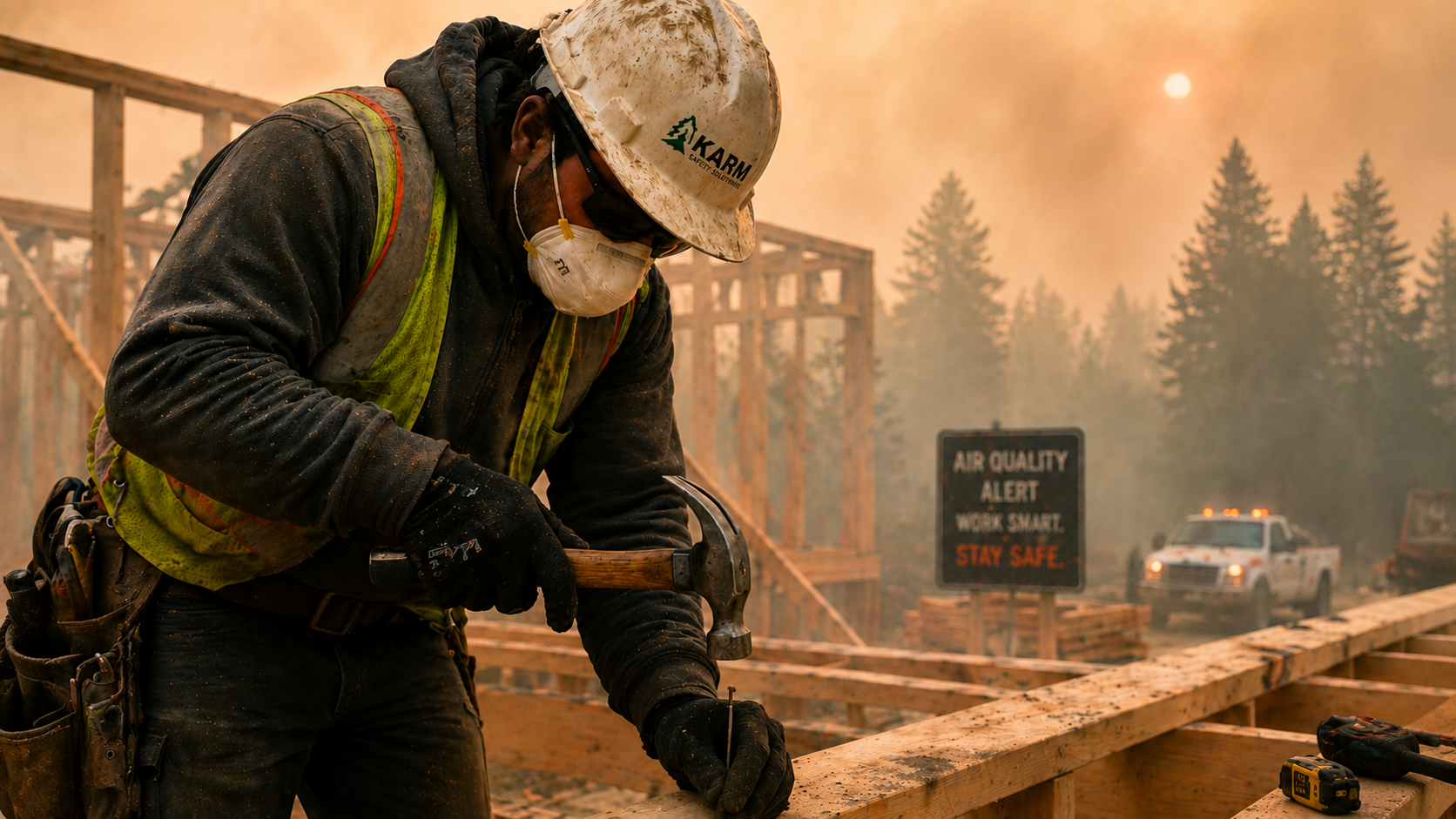
Asbestos Supervisor Training is designed to equip individuals with the knowledge needed to oversee safe asbestos removal and control work practices. It covers critical topics like recognizing asbestos-containing materials, the proper handling of asbestos, and ensuring the use of appropriate personal protective equipment (PPE).
Key Elements of Asbestos Supervisor Training
- Regulatory Compliance: One of the key goals of asbestos supervisor training is to ensure compliance with the Occupational Safety and Health Administration (OSHA) and Environmental Protection Agency (EPA) standards. Supervisors must be familiar with OSHA's asbestos regulations and ensure that work practices align with these guidelines.
- Health and Safety Protocols: The training educates supervisors about the health risks associated with asbestos exposure and how to mitigate them. This includes proper worksite setup, air monitoring, waste disposal, and emergency procedures.
- Worksite Inspections: Supervisors must regularly inspect worksites for potential asbestos hazards. This training teaches how to perform thorough site assessments, identify areas with asbestos-containing materials, and implement safety measures.
- Team Management: Supervisors are responsible for managing workers involved in asbestos abatement. The training covers how to lead a team, monitor their activities, and ensure they follow safety protocols at all times.
- Risk Communication: Supervisors are also tasked with informing workers about potential asbestos hazards. The training emphasizes the importance of clear communication to ensure workers understand the risks and safety measures in place.
Benefits of Asbestos Supervisor Training
- Worker Protection: The most significant benefit of asbestos supervisor training is the protection it provides to workers. By ensuring supervisors are knowledgeable and well-trained, companies reduce the likelihood of asbestos exposure and related health issues.
- Worksite Safety: Proper training helps maintain a safe worksite by ensuring that all protocols are followed and that workers are equipped with the tools they need to avoid exposure. This reduces the risk of accidents and health problems on the job.
- Regulatory Compliance: By ensuring that supervisors are familiar with OSHA and EPA guidelines, the training helps companies stay compliant with federal and state regulations. This is crucial for avoiding penalties and legal issues.
- Improved Productivity: When workers are trained and protected, they are more likely to perform their tasks efficiently and without incident. This leads to fewer work stoppages and improved overall productivity.
Final Look:
For businesses looking to comply with safety regulations and maintain safe worksites, this training is vital. If you are wondering how long does asbestos certificate last, it's typically valid for one year. However, regular refresher courses are recommended to stay updated with any regulatory changes.
KARM Safety Solutions are dedicated to providing high-quality, OSHA-compliant training programs, including Asbestos Supervisor Training, to help your workforce stay safe and compliant. Our expert instructors ensure that you receive the most current and relevant training, helping your company meet regulatory standards and protect your workers. Contact us today to learn more about our training options and how we can support your safety initiatives.