How Can OSHA Respirator Training Improve Workplace Safety Metrics?
Clean air at work is very important for employee health. OSHA respirator training teaches workers how to choose, wear, and take care of respirators properly. This training does more than follow rules: it stops workers from breathing harmful dust or chemicals, lowers accidents, and makes workplaces safer. Companies that train employees properly see real improvements in safety numbers.
Training also builds awareness about potential hazards. Workers learn to identify risks early, avoid unsafe practices, and respond correctly in emergencies. Knowing how to handle respirators safely gives employees confidence and reduces mistakes that could lead to serious injuries or long-term health issues.
Why Respirator Training Is Important
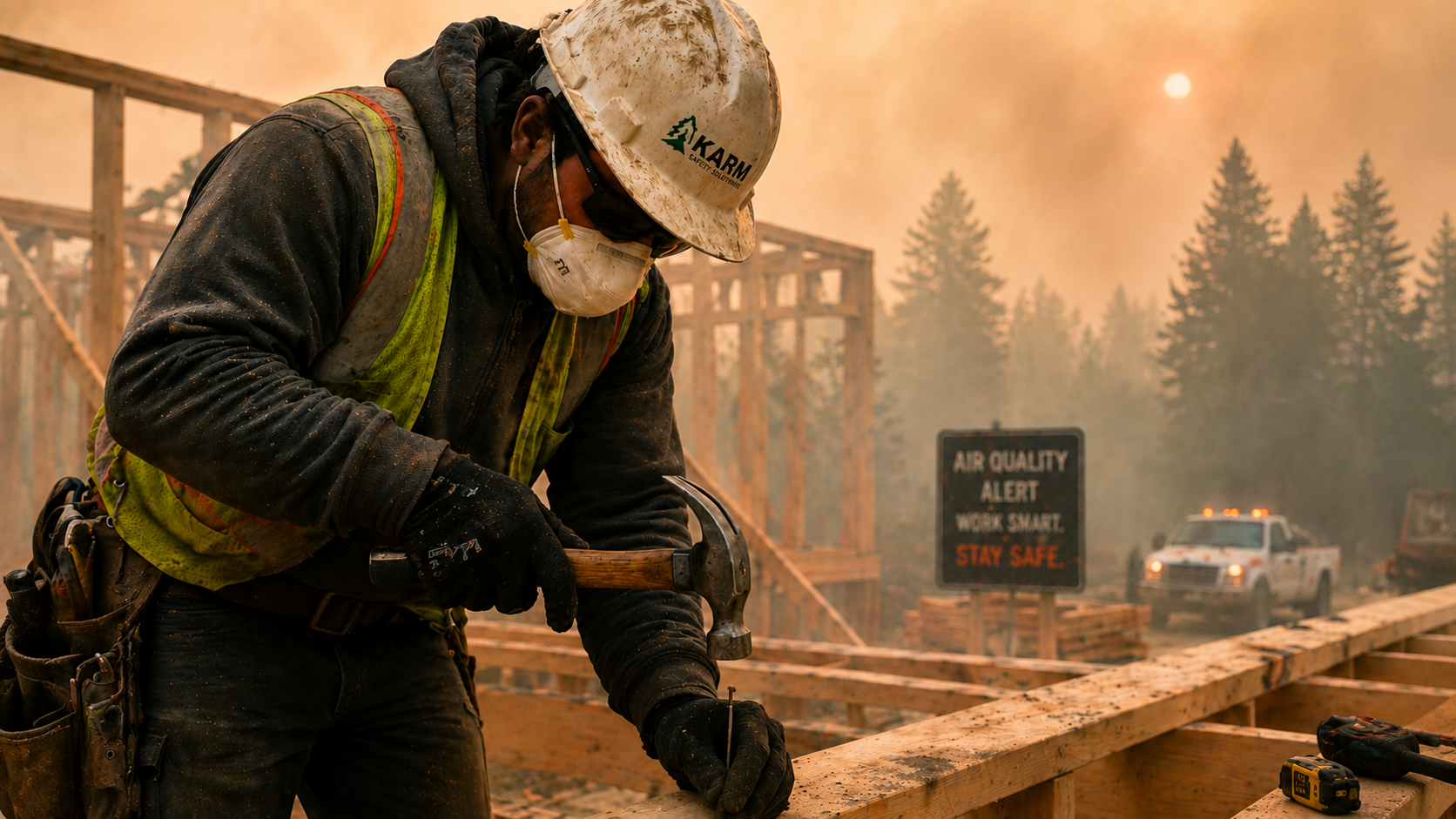
Respirators protect workers from dust, fumes, and tiny harmful particles. Even the best masks do not work if workers do not know how to use them. OSHA respirator training explains which mask to use for different risks, how to wear it the right way, and how to check and store it safely. This knowledge reduces accidents and keeps workers healthy.
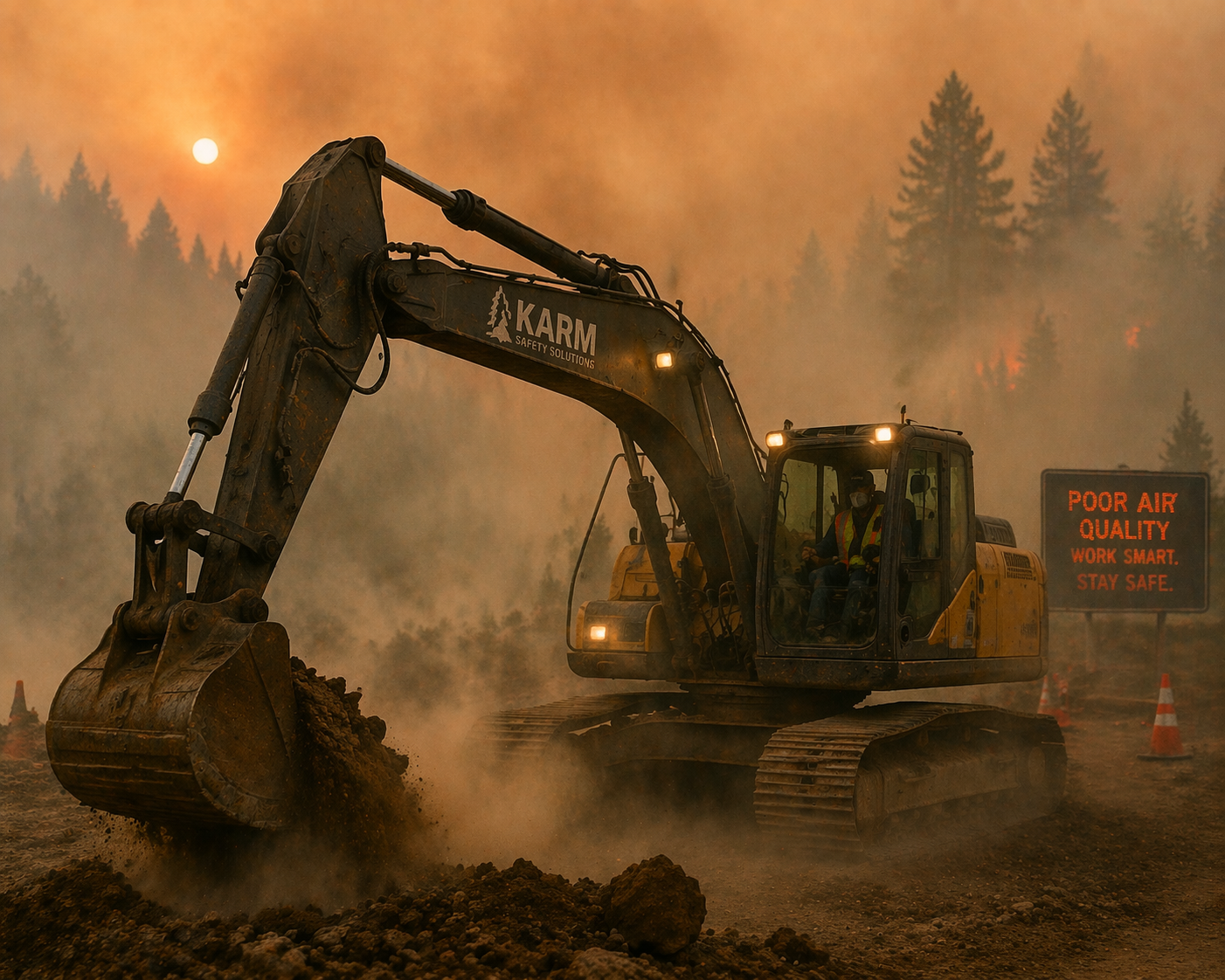
For example, construction sites often have dust, chemical sprays, or airborne particles. Without proper training, employees may use the wrong respirator or wear it incorrectly, exposing them to serious health risks. Training ensures that everyone knows the correct type of mask for their specific task, how to adjust it properly, and how to inspect it for damage before each use.
How Training Improves Safety Numbers
Workers who know how to use respirators correctly make fewer mistakes. This lowers accidents, sick days, and equipment problems. Safety numbers, like the number of injuries or lost work hours, get better when employees follow the right procedures. Tracking these numbers shows the benefits of proper training.
Monitoring safety metrics over time helps businesses see the real value of training. Companies can identify patterns, such as repeated mistakes or areas with higher risk, and provide targeted support. Employees who follow correct procedures contribute to fewer workplace disruptions and more consistent productivity.
How Should Employers Document Respirator Training?
Keeping records is very important. Employers should note which workers have finished training, the date, and what topics were covered. Records help supervisors check that everyone is trained and ready. They also show OSHA that your company follows safety rules and can help find areas where workers need retraining.
Documentation can include training logs, attendance sheets, and refresher session records. Digital record keeping allows supervisors to track completion rates, schedule updates, and quickly produce reports during audits. Proper documentation also supports continuous improvement by identifying gaps in knowledge or recurring errors.
Hands-On Learning Works Best
Practical exercises like putting on and taking off respirators, checking equipment, and practicing emergency steps help workers remember what they learn. When employees practice regularly, they feel confident and are ready for real situations. This makes workplaces safer and keeps safety numbers low.
Hands-on practice also allows workers to experience potential issues they might face in real scenarios. They can learn how to adjust straps for comfort, check filters, and recognize when a respirator may fail. This real-world practice ensures employees are prepared and can act correctly under pressure.
Making Safety Part of Everyday Work
Training works best when it becomes part of daily work. Workers can check their masks before shifts, keep them clean, and watch for dangers every day. Short refresher sessions remind employees of safe steps and let teams spot risks early. Doing this regularly improves safety numbers over time.
Daily routines, such as quick pre-shift checks or visual inspections, reinforce safe habits. Supervisors who encourage consistent use of respirators help maintain a culture of safety. Employees start to see safety as part of their daily responsibilities, not just a one-time requirement.
Safety and Performance Go Together
Training not only prevents accidents but also makes work smoother. Fewer injuries mean less downtime, lower medical costs, and fewer delays. Workers who know safety rules are more efficient and dependable. Tracking these improvements shows that training helps the business and keeps employees safe.
Better safety metrics can also improve client confidence and project outcomes. Companies with trained staff are more reliable, less likely to face fines, and able to maintain project schedules without interruptions. Investing in training translates into measurable business benefits beyond compliance.
Fit Testing Makes a Big Difference
Even trained workers are at risk if respirators do not fit properly. Respirator fit test training ensures each worker’s mask fits tightly and protects from harmful particles. Fit testing and training together give the best protection and meet OSHA safety standards.
Fit testing also helps identify employees who need alternative respirators or adjustments. It guarantees that every individual is protected correctly, reducing the risk of exposure and reinforcing overall workplace safety. Combined with proper training, fit testing maximizes protection for all employees.
Ending Note:
At KARM Safety Solutions, we help companies create easy-to-follow OSHA respirator training programs. Our training includes hands-on practice, clear record keeping, and fit test sessions. By working with us, your business can improve safety numbers, protect workers, and meet OSHA rules easily.
Protect your team today. Contact KARM Safety Solutions to schedule respirator training and fit test sessions that make your workplace safer and more efficient.
FAQs:
Q1: What is OSHA respirator training?
It is a program that teaches workers how to use, maintain, and store respirators safely.
Q2: Why is respirator training important for workplaces?
It protects employees from harmful particles, reduces accidents, and improves workplace safety metrics.
How should employers document respirator training?
Employers should keep records of training dates, topics covered, and employee completion for compliance tracking.
Q4: What is respirator fit test training?
It ensures that each worker’s respirator fits properly and provides maximum protection from hazards.
Q5: How does training improve workplace safety metrics?
Trained employees make fewer mistakes, reduce incidents, and increase efficiency, showing measurable improvements over time.