Robert Miller • May 28, 2026

Lift Director Training Requirements and who needs it

Why Lift Director Training Is Essential for Safe and Compliant Crane Operations
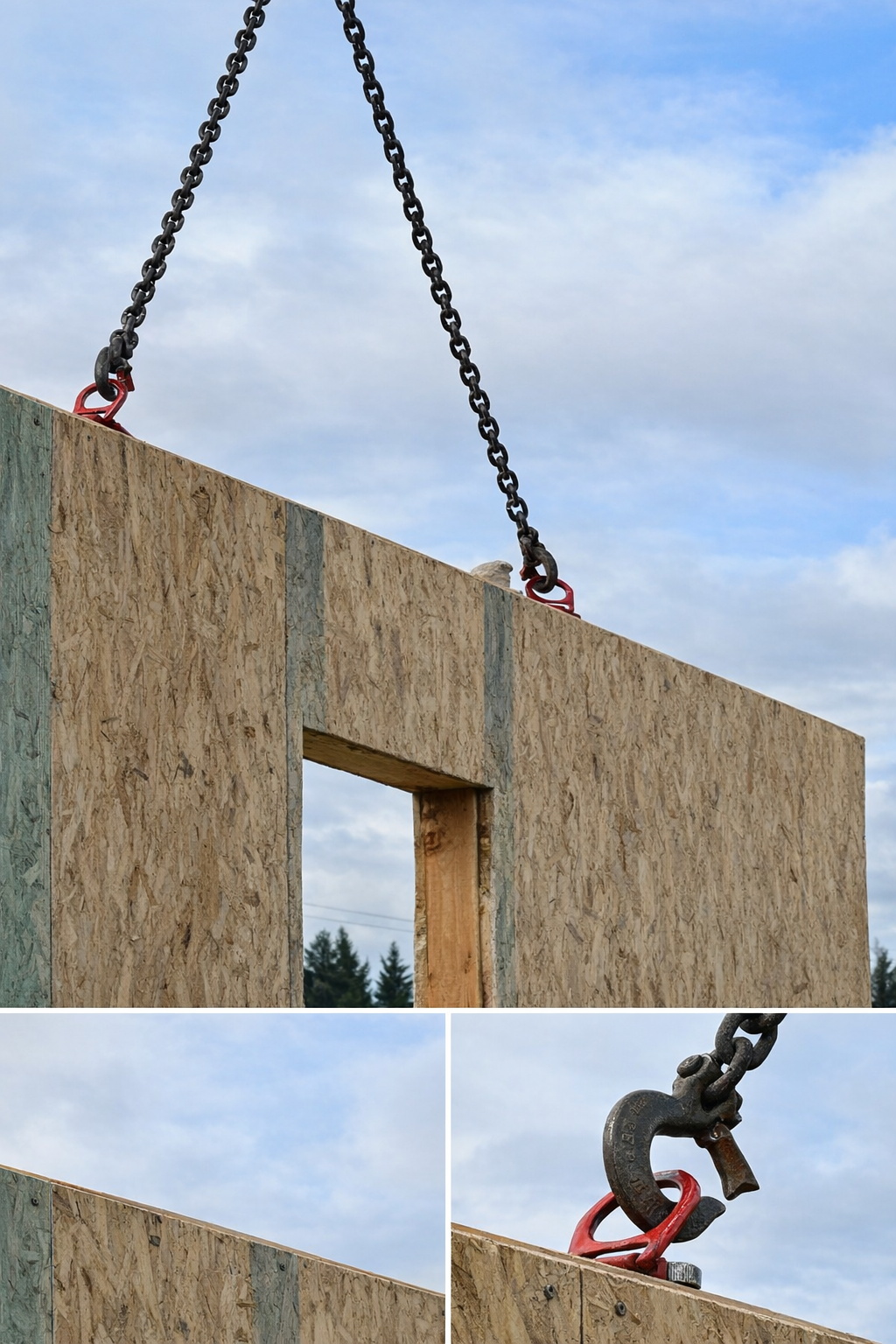
Learn why Lift Director Training is important, when OSHA and state rules may require lift director oversight, and how KARM Safety Solutions’ online training helps crews work safer.

Crane and rigging work is one of the highest-risk activities on many construction and industrial jobsites. A single missed detail in lift planning, communication, rigging, crane setup, or load control can lead to dropped loads, equipment failure, serious injuries, and costly project delays.

That is why Lift Director Training is so important.

A Lift Director is responsible for helping plan, coordinate, and oversee lifting operations. This person helps make sure the lift is properly reviewed, the crew understands their roles, hazards are identified, and the operation is performed safely from start to finish.

KARM Safety Solutions offers online Lift Director & Critical Lift Training for employers, supervisors, crane crews, riggers, signal persons, safety managers, and anyone involved in planning or overseeing lifting operations.

Learn more about KARM’s course here: Lift Director & Critical Lift Training

What Does a Lift Director Do?

A Lift Director plays a key role in coordinating the people, equipment, and procedures involved in a lift. Depending on the jobsite and the type of lift, this may include:

  • Reviewing the lift plan
  • Confirming the load weight and crane capacity
  • Verifying crane setup and site conditions
  • Coordinating riggers, signal persons, crane operators, and supervisors
  • Identifying hazards such as power lines, unstable ground, poor visibility, or limited clearance
  • Making sure communication is clear before and during the lift
  • Stopping work when unsafe conditions exist

For routine lifts, a trained Lift Director helps keep operations organized. For critical lifts, multiple-crane lifts, or complex lifts, the role becomes even more important.

When Is Lift Director Training Required by OSHA?

Federal OSHA does not generally require a specific “Lift Director certification” for every crane lift. However, OSHA does require certain lifting operations to be directed by qualified or competent personnel.

Under OSHA 29 CFR 1926.1432, multiple-crane or multiple-derrick lifts must be directed by a person who meets the criteria for both a competent person and a qualified person, or by a competent person assisted by one or more qualified persons, identified as the lift director. OSHA also requires the lift director to review the lift plan in a meeting with all workers involved in the operation.

This means that for tandem lifts and other multiple-crane or derrick operations, employers must ensure the person directing the lift has the knowledge, training, and experience needed to perform the role safely.

State and Local Lift Director Requirements

In addition to federal OSHA requirements, some states and local jurisdictions have more specific Lift Director rules.

For example, Washington State requires a Lift Director to meet qualification requirements before using a crane or equipment to perform hoisting activities. Washington’s rule also states that a Lift Director is required to be present and directly oversee all work performed by a crane and associated rigging crew.

KARM Safety Solutions also offers Washington-focused Lift Director training for companies that need to meet Washington L&I expectations.

View the Washington-specific course here: Lift Director & Critical Lift Training in Washington

New York City also has specific Lift Director registration requirements for certain crane and derrick activities, including when a crane or derrick is picking a load or traveling at the site.

Because requirements can vary by state, city, jobsite, contract, and type of lift, employers should always review the applicable OSHA, state-plan, local, and project-specific requirements before crane operations begin.

Why Lift Director Training Matters

Lift Director Training helps prevent accidents by improving planning, communication, and accountability. A trained Lift Director understands that a safe lift is not just about operating the crane. It is about making sure every part of the operation works together.

Proper training can help crews:

  • Reduce dropped-load incidents
  • Improve communication between operators, riggers, and signal persons
  • Recognize critical lift conditions
  • Identify jobsite hazards before the lift begins
  • Understand OSHA and state compliance expectations
  • Create better lift plans and pre-lift meetings
  • Improve documentation for employer records

For employers, Lift Director Training also helps demonstrate that personnel have received instruction in safe lift planning and jobsite responsibilities.

What KARM’s Online Lift Director Training Covers

KARM Safety Solutions provides online Lift Director & Critical Lift Training designed for real-world construction and industrial lifting operations. KARM’s course covers lift planning, load calculations, rigging, signaling, critical lift coordination, hazard recognition, crane setup, communication, and documentation. The course is listed as an 8-hour online training program.

Topics include:

  • Lift Director roles and responsibilities
  • Critical lift planning
  • Multiple-crane lift considerations
  • Load weight and crane capacity
  • Ground conditions and crane setup
  • Rigging inspection and load control
  • Signal person and rigger coordination
  • Pre-lift meetings
  • OSHA and industry-aligned safety expectations
  • Documentation for employer records

Start here: KARM Lift Director & Critical Lift Training

You can also view KARM’s broader training options here: KARM Safety Training & OSHA Certification Courses

Who Should Take Lift Director Training?

Lift Director Training is recommended for anyone who plans, supervises, coordinates, or participates in crane and rigging activities, including:

  • Lift Directors
  • Site supervisors
  • Crane operators
  • Riggers
  • Signal persons
  • Safety managers
  • Project managers
  • Foremen
  • Construction and industrial employers
  • Crews involved in critical or multiple-crane lifts

Even when a specific Lift Director certification is not required, training helps employers build a safer, more prepared workforce.

Train Before the Lift

Every lift deserves planning, communication, and qualified oversight. Lift Director Training helps crews understand their responsibilities before the load leaves the ground.

KARM Safety Solutions makes training easier with online Lift Director & Critical Lift Training that can help your team work safer, improve compliance, and reduce risk on the jobsite.

Enroll your team today: Online Lift Director & Critical Lift Training from KARM Safety Solutions
By Robert Miller May 24, 2026
OSHA Heat Training: Why Employers Get It Wrong | KARM Safety Solutions
By Robert Miller May 22, 2026
What Employers Need to Know in 2026
By Robert Miller May 19, 2026
The Real Cost of Ignoring Safety: When OSHA Shows Up
OSHA confined space
By Robert Miller May 18, 2026
Learn OSHA confined space types, risks, safety checks, and entry rules explained in simple words for safer workplace decisions and better understanding.
By Robert Miller May 16, 2026
Falls remain the leading cause of death in construction year after year. Most employers understand the importance of harnesses, guardrails, and anchor points, but there is one major issue that continues to be overlooked on jobsites across the country: Many construction hard hats fall off during a fall event. At KARM Safety Solutions , we regularly see companies invest heavily in fall protection systems while unintentionally ignoring one of the most critical components of worker survival during a fall: Head Protection Retention The reality is simple: A hard hat cannot protect a worker if it does not stay on their head. The Hidden Cost of Head Injuries in Construction When a fall occurs, employers often focus on: Fall distance Anchorage Harness performance OSHA citations But severe head injuries are frequently what turn a survivable incident into: A fatality Permanent disability Massive insurance claims Long-term legal exposure Lost productivity Increased EMR ratings Workers’ compensation costs Even when a fall arrest system functions correctly, workers can still strike: Steel beams Concrete surfaces Equipment Scaffolding Structural components Lower levels during swing falls Without secured head protection, traumatic brain injuries become far more likely. Why Traditional Hard Hats Often Fail During Falls Traditional hard hats were primarily designed to protect workers from: Falling tools Falling debris Overhead impacts Most were not originally engineered to remain secured during dynamic falls or suspended fall arrest situations. During a fall, momentum and sudden movement can cause: Hard hats to roll backward Suspension systems to loosen Helmets to fly off entirely Chinless hard hats to become useless This happens more often than many employers realize. The Shift Happening Across the Construction Industry Many leading contractors are now moving toward: Safety helmets with chin straps Climbing-style helmets Enhanced side-impact protection Improved retention systems Why? Because the industry is recognizing that head protection must remain secured during the fall, not just before it. Companies that adapt early often see: Fewer serious injuries Reduced claim severity Better worker compliance Improved safety culture Stronger defensible safety programs How KARM Safety Solutions Helps Employers Reduce Risk At KARM Safety Solutions , we help employers move beyond minimum compliance and build practical, field-ready safety programs that actually protect workers. 1. Fall Protection Training That Addresses Real Jobsite Conditions Many training programs focus only on OSHA regulations. We focus on: Real-world fall dynamics Secondary impact hazards Swing falls Head injury prevention PPE limitations Human behavior during emergencies Workers retain more information when training reflects what actually happens on jobsites. 2. Hard Hat and Helmet Retention Evaluations We help companies evaluate: Current hard hat policies Chin strap requirements Helmet compatibility Employee usage habits High-risk work activities Sometimes a small PPE policy adjustment can significantly reduce exposure. 3. Jobsite Hazard Assessments Different environments create different fall hazards. We assist employers in identifying elevated risks involving: Roofing Structural steel MEWPs and boom lifts Scaffolding Industrial maintenance Utility work Elevated mechanical systems This allows companies to select the right protection systems for the actual hazards present. 4. Competent Person and Supervisor Training Supervisors play a critical role in preventing serious incidents. Our programs help leadership identify: Improper hard hat use Poor PPE fit Unsafe worker habits Fall exposure gaps Inadequate rescue planning The earlier issues are identified, the lower the overall risk and cost. The ROI of Better Fall and Head Protection Many employers view upgraded safety equipment and training as an expense. But in reality, effective fall protection programs often create measurable return on investment through: Fewer injuries Lower workers’ compensation costs Reduced downtime Lower turnover Improved morale Stronger OSHA defensibility Reduced insurance exposure One serious head injury can cost far more than years of proactive prevention. OSHA Compliance Is the Minimum — Not the Goal Compliance matters. But simply meeting minimum OSHA requirements does not always mean workers are fully protected. The companies leading the industry forward are focusing on: Prevention Retention systems Real-world hazard recognition Practical training Continuous improvement That is where long-term safety performance is built. Protect Your Workers Before the Incident Happens At KARM Safety Solutions , we provide: Fall Protection Competent Person Training OSHA-compliant safety training Jobsite audits Hazard assessments Safety program development Practical field-focused consulting Stopping the fall is only part of the solution. Keeping the worker protected during the fall is what truly saves lives. https://www.karmsafetysolutions.com 
 bloodborne pathogen
By Robert Miller May 16, 2026
Learn which jobs face bloodborne pathogen risks, how exposure happens, safety steps, and workplace protection methods for safer daily operations.
By Robert Miller May 14, 2026
How to Stay Compliant and Avoid Costly Violations
fire extinguisher training
By Robert Miller May 14, 2026
Learn OSHA fire extinguisher training rules, frequency, safety steps, inspection basics, and workplace compliance tips for better emergency readiness.
Hazard Communication
By Robert Miller May 12, 2026
Learn the purpose of Hazard Communication Standard, OSHA rules, and training benefits for safer workplaces and better chemical risk control.
By Robert Miller May 9, 2026
Falls remain one of the leading causes of serious injuries and fatalities in construction and general industry. That’s why OSHA places a strong emphasis on having a Fall Protection Competent Person on site—someone who doesn’t just understand the rules, but actively enforces them. If your company assigns this role (or you’re stepping into it), here’s exactly what’s expected. What Is a “Competent Person” (OSHA Definition)? Under OSHA, a competent person is someone who: Can identify existing and predictable fall hazards Has the authority to take immediate corrective action Has the knowledge and experience to evaluate fall protection systems This isn’t just a title—it’s a responsibility with authority . Core Responsibilities of a Fall Protection Competent Person 1. Identify Fall Hazards A competent person must continuously evaluate the jobsite for risks, including: Unprotected edges (roofs, platforms, mezzanines) Improper ladder use or damaged ladders Open holes, skylights, or floor penetrations Leading edges and changing work conditions Expectation: Hazards are identified before workers are exposed—not after. 2. Select and Implement Proper Fall Protection Systems You’re responsible for choosing the right system for the job, such as: Guardrail systems Personal Fall Arrest Systems (PFAS) Safety nets Positioning or restraint systems Expectation: The system must match the hazard and meet OSHA requirements, not just “good enough.” 3. Inspect Equipment and Systems Regular inspections are critical. This includes: Harnesses, lanyards, and connectors Anchor points and tie-offs Guardrails and covers Ladders and scaffolding Expectation: If it’s damaged, worn, or questionable, it’s removed from service immediately. 4. Ensure Proper Setup and Use Even the best equipment fails if it’s used incorrectly. A competent person must ensure: Proper anchor point selection (rated and secure) Correct tie-off methods (100% tie-off when required) Guardrails are installed to the proper height and strength Covers secured and clearly marked Expectation: No shortcuts. No guesswork. 5. Train and Monitor Workers A competent person plays a key role in jobsite training by: Educating workers on fall hazards Demonstrating proper equipment use Reinforcing safe behaviors Correcting unsafe actions immediately Expectation: Workers understand not just what to do—but why it matters. 6. Take Immediate Corrective Action This is what separates a competent person from everyone else. Stop work if a serious hazard is present Fix unsafe conditions immediately Remove employees from danger if needed Expectation: You have the authority—and the responsibility—to act without delay. 7. Stay Compliant with OSHA Standards A competent person must understand and apply: OSHA 29 CFR 1926 Subpart M (Construction) OSHA 29 CFR 1910 Subpart D (General Industry) Expectation: Compliance isn’t optional—it’s built into every decision. Skills That Make an Effective Competent Person Beyond technical knowledge, strong competent persons also have: Confidence to enforce safety rules Clear communication skills Attention to detail Real-world jobsite experience The ability to make quick, informed decisions Why This Role Matters A Fall Protection Competent Person is often the last line of defense between a safe workday and a serious incident. Prevents injuries and fatalities Reduces OSHA violations and fines Builds a stronger safety culture Protects your workforce and your business Final Thoughts Being a Fall Protection Competent Person isn’t just about checking a box—it’s about owning safety on the jobsite . If you don’t have someone properly trained in this role, your company is exposed—not just to OSHA penalties, but to preventable injuries. Need Competent Person Training? KARM Safety Solutions offers Fall Protection Competent Person Training designed for real-world jobsite conditions. OSHA-aligned instruction Hands-on, practical application Certificates issued upon completion Available onsite or online Get your team trained, compliant, and protected.