By Robert Miller
•
August 30, 2026
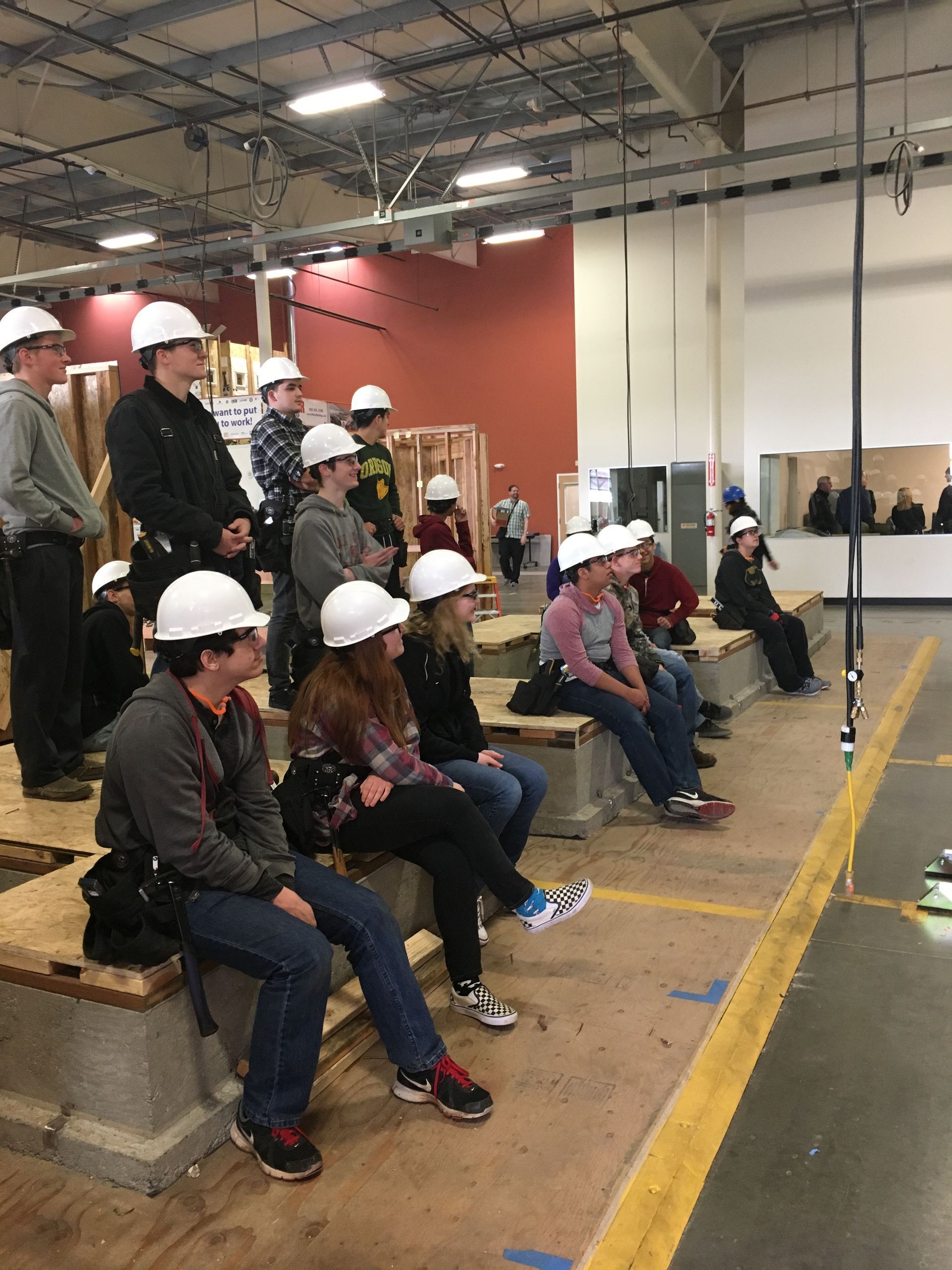
When Nevin and I develop training at KARM Safety Solutions, there is one question we continually come back to: What does this person actually need to know when they return to the jobsite? Whether someone takes a KARM course online or sits with us in a classroom, our goal is the same. We want that person to understand the hazards, understand the applicable safety requirements, and know how to apply what they learned in the real world. That philosophy is especially important when it comes to Competent Person training . Competent Person Training Should Be More Than a Certificate It can be easy to think of safety training as another requirement that needs to be checked off a list. Watch the presentation. Pass the quiz. Get the certificate. Nevin and I don’t believe that approach is good enough for Competent Person training. A Competent Person may have significant responsibilities on a jobsite. Depending on the applicable OSHA standard, that can include identifying existing and predictable hazards and having the authority to take prompt corrective measures. That requires more than memorizing a few regulations. A person needs to understand what they are looking for, why it matters, and what needs to happen when something isn’t right. That is what we try to build into every KARM Competent Person course. Is Online Competent Person Training as Good as In-Person Training? It can be — if the online course is built correctly and the employer fulfills any additional requirements applicable to the employee, task, equipment, or OSHA standard. When KARM develops an online course, we don’t start by asking how quickly we can get someone through it. We start with the same information we would want to cover if Nevin or I were standing in front of the student. That includes: Applicable OSHA requirements Hazard recognition Competent Person responsibilities Real-world workplace examples Common mistakes and unsafe conditions Inspections and corrective actions when applicable Knowledge checks and course assessments Practical information employees can take back to the jobsite The delivery method may be different. The educational objective isn’t. Why We Built KARM’s Online Training In-person training is still extremely valuable, and KARM continues to provide onsite and classroom safety training. But we also work with employers who have employees spread across different jobsites, cities, shifts, and states. Getting everyone into one classroom isn’t always realistic. An employee may be hired after the company’s annual training. A supervisor may need training before starting a new project. A company may have five employees who need training today and another five who need it three months from now. That’s where well-designed online safety training can be extremely useful. Instead of replacing education with convenience, our goal is to use technology to make quality safety education more accessible. Employees can complete the educational portion of training without an employer having to coordinate an entire crew’s schedule around one classroom date. Our Online Courses Aren’t Designed to Be the “Easy Version” This is something that’s important to both of us. KARM’s online courses aren’t intended to be a shortcut to a certificate. We want students to actually participate in the training, think about the hazards being discussed, and demonstrate that they understand the material. If someone completes a KARM online Competent Person course, we want the education behind that course to reflect the same principles we teach when we’re standing in a classroom. Different delivery method. Same commitment to the education. KARM Competent Person Training KARM Safety Solutions offers Competent Person training in several important areas, including: Fall Protection Competent Person Training Learn about fall hazards, fall protection systems, inspections, employee protection, and the responsibilities associated with controlling fall hazards. Trenching & Excavation Competent Person Training Learn to recognize excavation hazards, understand protective systems, conduct required inspections, identify changing conditions, and understand the responsibilities of the Competent Person. Confined Space Competent Person Training Learn about confined-space hazards, hazard evaluation, entry requirements, employee responsibilities, atmospheric concerns, and applicable procedures. Scaffold Competent Person Training Learn about scaffold hazards, inspections, access, fall protection, structural considerations, and the responsibilities associated with scaffold safety. Silica Competent Person Training Learn about respirable crystalline silica hazards, exposure controls, work practices, applicable OSHA requirements, and the Competent Person’s role. Rigger & Signal Person Training Learn about rigging hazards, inspections, load control, signaling, communication, and the responsibilities involved in safe lifting operations. The Employer Still Has an Important Role There is an important distinction employers should understand. Completing a Competent Person training course does not, by itself, automatically make someone the Competent Person for every workplace or situation. OSHA requirements vary depending on the standard and work being performed. A Competent Person generally must have the knowledge to identify applicable hazards and the authority to take prompt corrective measures. Employers are responsible for determining who is qualified and authorized to perform those responsibilities within their organization. Certain tasks may also require additional hands-on instruction, demonstrations, evaluations, site-specific training, equipment-specific training, or employer authorization. KARM training is designed to provide the educational foundation employers and employees can build on. Online or In Person? Choose What Works for Your Crew There isn’t one training format that works best for every company. Some employers want Nevin or me onsite with their entire crew. In-person training allows us to discuss the company’s specific operations, answer questions as they come up, and interact directly with employees. Other employers need flexibility. Online training can work extremely well for remote employees, multiple locations, new hires, make-up training, supervisors, or employees who can’t attend a scheduled classroom session. Some employers may benefit from using both . The important question shouldn’t simply be: “Was the training online or in person?” A better question is: “Did the employee actually learn what they need to know?” That’s the Standard We Want Behind KARM Training Nevin and I have spent years working with employers and employees in real workplaces. We’ve seen the difference between knowing a regulation and actually understanding how that regulation applies when you’re standing on a jobsite looking at a hazard. That’s what we want to bring into KARM’s training. We don’t want someone finishing a course knowing only enough to pass a test. We want them to look at a trench, scaffold, fall exposure, confined space, silica-producing task, or lifting operation differently because of what they learned. Recognize the hazard. Understand the requirement. Know what needs to happen next. Whether that education happens in one of our classrooms or through KARM’s online training platform, that’s the standard we’re working toward. — Robert & Nevin KARM Safety Solutions Building Safer Workplaces — One Training at a Time. Need Competent Person Training for Your Employees? KARM Safety Solutions provides online and in-person OSHA safety training for individual employees, supervisors, and entire crews. Employers can choose online training for flexibility or contact KARM to discuss onsite and group training options. Explore KARM’s Competent Person training courses or contact our team to determine which training option makes the most sense for your employees. Robert W Miller SMS, CIT, STSC, SME KARM Safety Solutions