Robert Miller • June 28, 2026

The Importance of Safety Decals
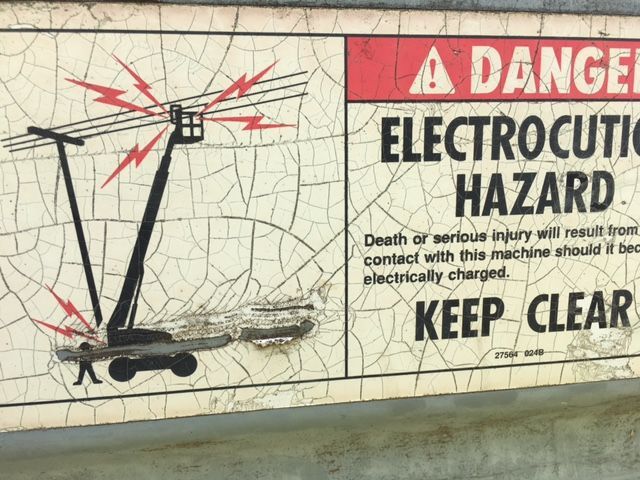
Safety decals are one of the most overlooked parts of equipment safety. They are small, they are easy to ignore, and after years of use they often become faded, scratched, painted over, torn, greasy, or completely unreadable. But those decals are there for a reason. They warn employees about pinch points, crush hazards, electrical hazards, stored energy, hot surfaces, rotating parts, fall hazards, machine limitations, operating instructions, required PPE, lockout points, and other hazards that can seriously injure or kill someone.

At KARM Safety Solutions, we see this problem often during jobsite safety audits, shop inspections, and equipment operator training. A company may have good people, good equipment, and good intentions, but the safety decals on the equipment may be worn down to the point where they no longer communicate anything. When that happens, the equipment is missing an important layer of safety communication.

A safety decal is not just a sticker. It is a warning. It is part of the manufacturer’s hazard communication system for that piece of equipment. It is often tied to the operator’s manual, inspection requirements, and safe operating instructions. When it is missing or unreadable, the employer loses an important piece of evidence that the hazard was identified and communicated to employees.

That matters before an incident. It matters during training. It matters during safety audits. And it matters even more after an accident, serious injury, or fatality.

A Decal That Was Almost Gone

One day, while walking through a large shop, I noticed a caution decal on a large press. The press was roughly 15 feet wide. It was the kind of machine employees walked past every day. It was big, loud, powerful, and clearly capable of causing serious injury if someone got too close to the wrong area or placed a body part where it did not belong.

The caution decal was still technically there, but barely. Most of it was worn off. You could tell something used to be printed on it, but the message was no longer clear. The color was faded. The words were difficult to read. The pictogram was damaged. What was left of the decal did not do its job.

Employees walked by that press every day and likely did not think twice about it. That is part of the problem. When a warning has been damaged for a long time, people stop noticing it. It becomes part of the background. It no longer catches attention, and it no longer communicates the hazard.

But if someone had been injured on that press, that missing or unreadable warning could have become a major issue. Someone would ask: Was the hazard identified? Was the warning visible? Was the equipment maintained? Did employees receive training? Did the employer know the decal was damaged? Was the condition documented during inspections? Was replacement recommended? Was the recommendation ignored?

Those are the kinds of questions that come up after an incident.

Why Safety Decals Matter

Safety decals are important because they provide immediate hazard communication at the point of danger. They are placed where the employee needs the information, often right where the hazard exists.

A written safety manual is important. Training is important. Toolbox talks are important. But when an employee is standing next to a machine, lift, forklift, press, crane, compactor, conveyor, aerial lift, skid steer, or piece of shop equipment, the decal is often the last reminder before the employee acts.

A good decal can quickly communicate:

  • Keep hands clear.
  • Do not stand under a raised load.
  • Stay out of the crush zone.
  • Wear eye protection.
  • Lock out before servicing.
  • Read the operator’s manual.
  • Do not exceed rated capacity.
  • Keep clear of rotating parts.
  • Maintain safe distance.
  • Use fall protection.
  • Do not bypass guards.
  • Hot surface.
  • Electrical hazard.
  • Pinch point.
  • Entanglement hazard.

That communication needs to be clear, visible, and understandable.

If the decal is faded, torn, painted over, covered in grease, blocked by material, or unreadable, then the warning has failed. The hazard may still be present, but the warning is no longer doing its job.

Pictograms Are Critical

During equipment operator training, KARM Safety Solutions stresses the importance of pictograms on decals. A pictogram is a picture or symbol used to communicate a hazard or instruction.

Pictograms matter because most workers do not stop and carefully read every decal on a piece of equipment. That is not meant as an insult to workers. It is just reality. Employees are moving, working, thinking about the task, dealing with noise, production pressure, changing conditions, and other distractions. A long paragraph on a decal may not get read in the moment.

A good pictogram can get the message across faster.

A picture of a hand being crushed tells the worker to keep their hands away. A picture of a person being struck by a load tells the worker to stay out from under suspended material. A picture showing entanglement around a rotating shaft tells the worker to keep clothing, hair, gloves, and body parts away from moving parts.

Words are still important, but pictures help people understand the danger quickly.

Pictograms are also helpful for workers who speak different languages, new employees who are still learning the equipment, temporary workers, visitors, younger employees, and employees who may not fully understand the written warning. A clear pictogram can cross language barriers and help communicate the hazard immediately.

That is why faded or missing pictograms are a problem. If the picture is gone, the fastest part of the warning is gone.

Decals Are Part of Equipment Condition

When companies inspect equipment, they often focus on the obvious mechanical issues. They check tires, forks, chains, hydraulics, guards, brakes, lights, alarms, controls, leaks, hooks, slings, cables, and structural components. All of those are important.

But decals should also be part of the inspection.

A machine with missing or unreadable safety decals may not be in the same safe condition it was when it left the manufacturer. The manufacturer placed those warnings on the machine because there were hazards that needed to be communicated. If those warnings are gone, damaged, or unreadable, the employer should take action.

That does not always mean the equipment must be removed from service immediately in every situation. But it does mean the condition should be documented, evaluated, and corrected. If the missing decal relates to a serious hazard, operating limitation, capacity, emergency control, lockout point, or required warning, the company should treat it seriously and replace it promptly.

A decal problem may seem small until it is connected to a serious injury.

The OSHA and Liability Concern

Employers are responsible for providing a safe workplace and for maintaining equipment in safe condition. OSHA does not look at equipment safety only after a machine breaks. OSHA also looks at whether hazards were identified, whether employees were protected, whether warnings were in place, whether training was effective, and whether the employer took reasonable steps to correct known hazards.

If an accident or fatality happens and OSHA sees that required markings, warnings, decals, capacity plates, or safety instructions were missing or illegible, that can become part of the investigation. It may support the argument that the employer failed to maintain equipment properly, failed to communicate hazards, failed to follow manufacturer requirements, or failed to correct a recognized hazard.

That is why KARM Safety Solutions advises companies to replace bad decals when they are found during audits.

This is not about being picky. It is about protecting employees and protecting the company. If a safety decal is missing or unreadable today, the company has a chance to fix it before it becomes evidence after an incident.

A faded decal is cheap to replace. A serious injury is not.

What KARM Looks for During Safety Audits

During safety audits, KARM Safety Solutions looks at equipment from both a compliance standpoint and a practical worker-safety standpoint. We are not just looking for paperwork. We are looking for conditions that could contribute to an injury.

When it comes to decals and equipment markings, we look for:

  • Missing warning decals.
  • Faded decals.
  • Torn decals.
  • Painted-over decals.
  • Grease-covered decals.
  • Decals blocked by attachments, stored material, guards, or modifications.
  • Decals that no longer match the equipment configuration.
  • Missing capacity plates.
  • Unreadable load charts.
  • Missing control labels.
  • Missing emergency stop labels.
  • Missing lockout/tagout point labels.
  • Warnings damaged by pressure washing, chemicals, sunlight, abrasion, or heat.
  • Decals in English only where pictograms or additional communication may be needed.
  • Old decals that no longer match current manufacturer instructions.
  • Decals removed during repainting or repair and never replaced.
  • Equipment where the operator’s manual is missing and decals are also unreadable.

When we find these issues, we document them and recommend corrective action. Usually, the corrective action is simple: contact the manufacturer or dealer, order the correct replacement decals, install them in the correct location, and document that the correction was completed.

Common Equipment Where Decals Are Often Missing

Bad decals can be found on almost any equipment, but we commonly see problems on:

  • Forklifts.
  • Telehandlers.
  • Aerial lifts.
  • Scissor lifts.
  • Boom lifts.
  • Service truck cranes.
  • Skid steers.
  • Excavators.
  • Backhoes.
  • Wheel loaders.
  • Tractors.
  • Balers.
  • Presses.
  • Compactors.
  • Conveyors.
  • Table saws.
  • Shop equipment.
  • Hydraulic presses.
  • Roll-up doors.
  • Compressors.
  • Generators.
  • Welders.
  • Material handling equipment.
  • Trailers.
  • Rigging equipment storage areas.
  • Lockout/tagout points.

The bigger and older the equipment, the more likely it is that decals have been damaged, removed, or ignored.

Outdoor equipment is especially vulnerable. Sunlight fades decals. Rain and weather break them down. Pressure washing peels them away. Dirt and grease cover them. Repairs and repainting remove them. Attachments can block them. Over time, what used to be a clear warning becomes a faded square that nobody reads.

Training and Decals Must Work Together

Training and decals are not separate. They support each other.

In operator training, employees should be taught to look for safety decals during pre-use inspections. They should know what the decals mean, why they matter, and what to do if a decal is missing or unreadable.

For example, forklift operators should understand the importance of the data plate, capacity information, attachment information, and warning labels. Aerial lift operators should understand platform capacity, fall protection requirements, crushing hazards, tip-over warnings, and emergency lowering instructions. Press operators should understand pinch points, point-of-operation hazards, guarding requirements, lockout requirements, and safe operating zones.

If training tells workers to follow the manufacturer’s warnings but the warnings are gone, the company has a gap.

If the decal says “Read operator’s manual before operating,” but the manual is missing and the decal is unreadable, the company has another gap.

If a decal warns against reaching into a pinch point, but the decal has been worn off for years, the company should not be surprised when employees stop recognizing that area as a hazard.

Good training teaches employees to respect the equipment. Good decals reinforce that message every day.

Why Workers Stop Seeing Warnings

One of the reasons decal condition matters is because workers can become blind to hazards they see every day. When employees walk past the same equipment daily, they may stop noticing it. A large machine becomes part of the background. A caution sticker becomes part of the paint. A warning that once stood out becomes invisible.

This is especially true when a decal is damaged.

A bright, clean, clear warning can catch attention. A half-missing faded label does not. Once the message is gone, the decal becomes visual clutter. It looks old, neglected, and unimportant. Workers subconsciously learn that nobody cares about it.

That sends the wrong message.

If the company ignores the safety decals, employees may assume the warnings are not important. If the company replaces damaged decals and talks about them during training, employees are more likely to pay attention.

Safety culture is built through small details. Decals are one of those details.

What a Bad Decal Tells an Auditor

A damaged decal may tell an auditor more than the company realizes.

It may suggest that:

  • Equipment inspections are not detailed enough.
  • Operators are not reporting issues.
  • Supervisors are not looking closely at equipment.
  • Maintenance is focused only on production-related repairs.
  • Manufacturer instructions may not be followed.
  • Employees may not understand the hazard.
  • The company does not have a clear process for replacing warnings.
  • The equipment may have other overlooked safety issues.

A bad decal does not automatically mean the whole safety program is bad. But it is a clue. It tells the auditor to look deeper.

If the caution decal on a press is unreadable, what about the guards? What about the emergency stop? What about the lockout procedure? What about employee training? What about maintenance records? What about the operator’s manual? What about the daily inspection process?

Small findings often lead to bigger questions.

Decals and Manufacturer Requirements

Equipment manufacturers place decals in specific locations for a reason. Those decals are usually based on known hazards, design limitations, warnings from the operator’s manual, and industry standards. When a decal is missing, the safest practice is to replace it with the correct manufacturer-approved decal.

Companies should avoid making random homemade labels unless the manufacturer decal is unavailable and the replacement accurately communicates the hazard. A homemade label may be better than no warning temporarily, but it may not include the correct signal word, pictogram, wording, color, or hazard information.

Best practice is to:

  1. Identify the equipment make, model, and serial number.
  2. Contact the manufacturer, dealer, or authorized parts supplier.
  3. Order the correct decal kit or individual warning label.
  4. Install decals in the correct location.
  5. Document the replacement.
  6. Train employees if the warning relates to a serious hazard or new information.

For older equipment, decal kits are often available. Even when they are not, the company should still make a good-faith effort to restore hazard communication to the equipment.

Decals Should Be Part of Preventive Maintenance

Safety decals should not be replaced only after an audit finding. They should be part of the company’s regular preventive maintenance and inspection program.

A good program should include:

  • Checking decals during pre-use inspections.
  • Checking decals during monthly or quarterly maintenance.
  • Reviewing decal condition during annual equipment inspections.
  • Replacing decals after repainting or repair.
  • Replacing decals when equipment is modified.
  • Replacing decals when they become faded, torn, or unreadable.
  • Keeping records of ordered and replaced decals.
  • Training operators to report missing or damaged decals.
  • Including decal condition in safety audits.

This does not need to be complicated. A simple checkbox on the inspection form can make a difference:

“Safety decals, labels, markings, and capacity plates are present, legible, and in good condition.”

That one line can help catch problems before they turn into bigger issues.

Do Not Paint Over the Warning

One of the most common problems KARM sees is equipment that has been repainted without replacing decals. The machine may look clean and refreshed, but the warning labels are gone. Sometimes the decal was painted over. Sometimes it was removed before painting and never put back. Sometimes only a few decals were replaced, while others were forgotten.

This creates a serious problem. A fresh coat of paint does not make equipment safer if the warning system is removed.

Any time equipment is painted, refurbished, repaired, or modified, the company should verify that all required decals, labels, plates, and markings are restored before the equipment goes back into service.

If a machine comes back from repair without decals, do not assume it is complete. Check it.

Capacity Plates and Data Plates Are Not Optional Details

Some decals are warnings. Others provide operating limits. Capacity plates and data plates are especially important because they tell operators what the equipment can safely do.

Missing or unreadable capacity information can lead to overloading, tip-overs, dropped loads, mechanical failure, or structural damage.

This is especially important for:

  • Forklifts.
  • Telehandlers.
  • Aerial lifts.
  • Service truck cranes.
  • Hoists.
  • Jibs.
  • Rigging equipment.
  • Presses.
  • Lifting attachments.
  • Material handling equipment.

If an operator cannot read the rated capacity, attachment information, load chart, or operating limitation, they may guess. Guessing is not a lift plan. Guessing is not safe operation.

During training, employees should be reminded that if they cannot verify the capacity, they should stop and ask.

Multilingual Workforces and Visual Communication

Many companies have employees who speak different languages. This makes pictograms and clear visual warnings even more important.

A decal with a clear image can help communicate the hazard even when the worker does not fully understand the written language. However, pictograms should not replace training. They should support training.

Employers should consider the workforce when evaluating decals and signs. If employees cannot understand the warning, the warning is not fully effective. Training, translated materials, bilingual instruction, pictograms, demonstrations, and supervisor follow-up may all be needed.

The goal is not just to have a decal on the equipment. The goal is for employees to understand the hazard and know what action to take.

The Difference Between Seeing and Understanding

A decal must be visible, but visibility alone is not enough. Employees need to understand what the warning means.

A warning decal should communicate three things:

  1. The hazard.
  2. The consequence.
  3. The action needed to avoid injury.

For example, a good warning does not just say “Caution.” It should explain the hazard. It may show a pictogram. It may say to keep hands clear, lock out before servicing, stay out of the crush zone, or read the manual before operating.

During safety audits, KARM looks at whether the decal can actually be understood by the worker doing the task. If it is too faded to read, covered in grime, hidden behind equipment, or missing the pictogram, it is not doing its job.

Replacing Decals Is a Simple Corrective Action

Compared to many safety corrections, replacing decals is simple and affordable. It does not usually require major engineering, shutdowns, or expensive redesign. It requires attention, follow-through, and documentation.

The corrective action should include:

  • Identify the missing or damaged decal.
  • Photograph the condition.
  • Determine the equipment make, model, and serial number.
  • Order the correct replacement from the manufacturer or dealer.
  • Install the decal in the correct location.
  • Update the inspection record.
  • Communicate the correction to employees.
  • Verify during the next audit or inspection.

This process shows that the company identified the hazard and corrected it.

That documentation can matter. If an incident happens later, the company can show that it had a process for inspecting and maintaining equipment warnings.

What Employers Should Ask Themselves

Employers should periodically walk their shop, yard, warehouse, farm, or jobsite and ask:

  • Are equipment safety decals legible?
  • Are capacity plates readable?
  • Are warnings covered by dirt, grease, paint, or attachments?
  • Are decals missing after repairs or repainting?
  • Do operators understand the pictograms?
  • Are employees trained to report damaged decals?
  • Are decal issues included in inspections?
  • Do supervisors follow up when decals are damaged?
  • Are replacement decals ordered promptly?
  • Are correction records kept?
  • Would this equipment look acceptable during an OSHA inspection?
  • Would we be comfortable defending this condition after an injury?

That last question is important. If the answer is no, fix it now.

KARM Safety Solutions’ Approach

KARM Safety Solutions helps companies identify problems before OSHA, insurance, or an incident forces the issue. During safety audits, we look for practical hazards that employees are exposed to every day. Bad decals are one of those hazards.

We do not point them out to nitpick. We point them out because they matter.

When KARM finds missing, damaged, or unreadable decals during an audit, we advise the company to replace them. We also recommend that decal condition be added to the company’s equipment inspection process. During operator training, we remind employees that decals are part of the machine’s safety communication system and must be respected.

We also stress the importance of pictograms. A picture can communicate quickly. A worker may not stop and read every word, but a clear pictogram showing a crush hazard, pinch point, entanglement hazard, or falling load can make the warning easier to understand at a glance.

The goal is to help companies build safer habits and catch problems before someone gets hurt.

The Bottom Line

Legible safety decals are a small detail with a big impact. They help communicate hazards, support training, reinforce manufacturer warnings, and remind employees of safe operating practices at the point of use.

A missing or unreadable decal may seem minor during a busy workday, but after an accident or fatality, it can become a serious issue. OSHA may look at whether the employer maintained equipment, communicated hazards, followed manufacturer requirements, and corrected known unsafe conditions.

Replacing a bad decal is simple. Ignoring it can be costly.

If employees walk past the same faded warning every day, they may stop seeing the hazard. If the company takes the time to replace the warning, talk about it, and train employees on what it means, that small action can help prevent a serious injury.

KARM Safety Solutions helps companies find these issues during safety audits and equipment training so they can be corrected before an incident happens.

Safety is not only about the big items. It is also about the small warnings that keep employees aware, alert, and alive.

KARM Safety Solutions
Building Safer Workplaces — One Training at a Time.
By Robert Miller • September 20, 2026
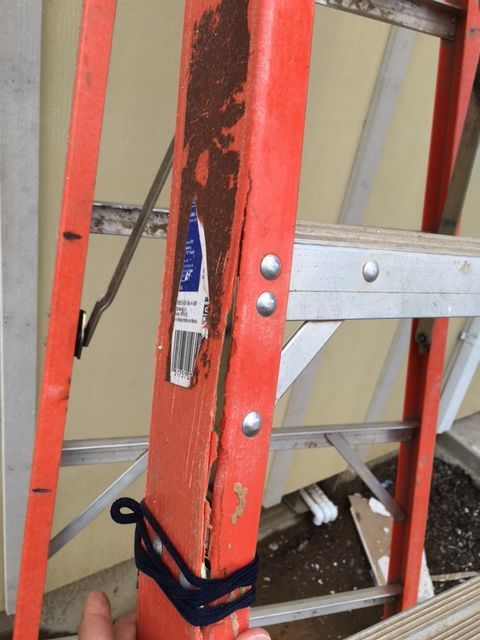
Ladders are used every day in construction, maintenance, warehousing, manufacturing, and facility operations. Because they are so common, workers can easily underestimate the hazards of selecting, inspecting, setting up, and climbing a ladder. A damaged ladder, unstable surface, incorrect climbing angle, or moment of overreaching can result in a serious fall. Effective ladder safety training helps workers recognize these hazards before someone gets hurt. KARM Safety Solutions is proud to introduce our new Online Ladder Safety Training Course , designed to give workers and employers practical information they can use in the workplace. What Does the Ladder Safety Course Cover? This self-paced online course walks students through the essential elements of ladder safety, including: OSHA ladder requirements Common ladder types and their intended uses Ladder duty ratings and weight capacities Selecting the correct ladder for the job Conducting a pre-use ladder inspection Recognizing damaged or defective components Proper ladder setup and positioning Securing extension ladders Maintaining three points of contact Safe climbing and working techniques Electrical hazards near ladders Ladder cleaning, storage, and maintenance Removing unsafe ladders from service Developing an effective workplace ladder safety program Students also learn why a ladder’s weight capacity must include the combined weight of the worker, clothing, tools, equipment, and materials being carried or supported. Inspect Every Ladder Before Use Inspect a ladder before each work shift and whenever an event could affect its safe condition. Workers should look for: Cracked, bent, split, or missing rungs Damaged rails or feet Loose hardware and fasteners Defective spreader bars or locking mechanisms Damaged ropes, pulleys, and extension locks Oil, mud, paint, or other slippery substances Missing or unreadable manufacturer labels Corrosion, heat damage, or unauthorized modifications Remove any ladder that could cause injury from service immediately. It should be clearly tagged to prevent use and repaired only when permitted by the manufacturer, using approved replacement parts. A ladder that cannot be safely repaired should be destroyed so it cannot be returned to service. Proper Setup Prevents Falls Even a ladder in excellent condition can become dangerous when it is set up incorrectly. Ladders must be placed on firm, level, and stable surfaces. Extension ladders should be positioned at the proper climbing angle and secured against movement. When an extension ladder is used to access an upper landing, the side rails generally must extend at least three feet above the landing surface unless another approved method provides a secure handhold. Workers should never place ladders on boxes, scaffolds, pallets, or other unstable objects to gain additional height. Ladders should also be protected from doors, vehicle traffic, mobile equipment, and other activities that could cause them to be struck or displaced. Safe Climbing and Working Practices Workers should face the ladder while climbing and maintain three points of contact whenever possible. Raise tools and materials with a hand line, tool belt, or another safe method rather than carrying them in a way that prevents a secure grip. Workers should never: Stand above the manufacturer’s highest permitted step Use the top or top step of a stepladder unless specifically designed for that purpose Overreach or lean outside the ladder rails Move, shift, or “walk” a ladder while someone is on it Allow more than one person on a ladder unless it is designed for multiple users Use a metal ladder near exposed energized electrical equipment Use a ladder for a purpose not intended by its manufacturer If a task requires excessive reaching, heavy force, prolonged work, or the use of both hands, a scaffold or mobile elevating work platform may be a safer choice. Ladder Maintenance Matters Proper maintenance helps preserve a ladder’s safe condition and service life. Ladders should be kept clean and stored in a dry, protected location where they will not be damaged by vehicles, equipment, chemicals, moisture, or excessive heat. Long ladders should be supported properly during storage to prevent sagging or warping. Workers should never drill additional holes, weld components, paint over defects, splice damaged rails, or install unapproved replacement parts. Repairs must follow the ladder manufacturer’s instructions. Training Is Only One Part of an Effective Program Employers should establish clear ladder safety procedures that address: Selecting and purchasing appropriate ladders Employee training Pre-use and periodic inspections Removing defective ladders from service Repair and disposal procedures Proper storage and transportation Site-specific hazards Documentation and accountability Supervisors should reinforce safe practices and correct unsafe ladder use immediately. Employees must also understand that completing an online course does not replace employer-provided instruction about site-specific hazards, equipment, and work procedures. Convenient Online Training for Workers and Employers KARM Safety Solutions’ Online Ladder Safety Training is: Self-paced Available online 24/7 Designed for individual workers and employer groups Based on OSHA requirements and recognized safe-work practices Supported by practical inspection and workplace evaluation guidance Completed with a certificate of training The course costs $50 per student and provides a convenient option for onboarding new employees, refresher training, and strengthening an employer’s ladder safety program. Enroll Today Do not wait for a ladder-related incident to reveal a gap in your safety program. Give workers the knowledge they need to recognize hazards, inspect equipment, and use ladders safely. Enroll in KARM Safety Solutions’ Online Ladder Safety Training: https://training.karmsafety.com/products/courses/ladder-safety-training For group enrollment, onsite training, customized safety policies, or help developing a workplace ladder safety program, contact KARM Safety Solutions. Building Safer Workplaces—One Training at a Time. Suggested meta description: Enroll in KARM Safety Solutions’ online Ladder Safety Training. Learn ladder selection, inspections, setup, climbing techniques, maintenance, and OSHA requirements.
By Robert Miller • September 13, 2026
The rescue and recovery efforts following the September 11 attacks demonstrated the serious consequences of uncontrolled dust exposure. As first responders, construction workers, volunteers, and recovery personnel searched for victims, they worked in an environment filled with pulverized concrete, glass, gypsum, smoke, metals, fibers, and other hazardous materials. Respiratory protection was not always immediately available, consistently worn, or adequate for the conditions. Many responders experienced significant exposure before they fully understood the danger of the dust. In the years that followed, thousands of people involved in the response and recovery developed respiratory illnesses and other health conditions. The World Trade Center disaster involved a complex mixture of contaminants and should not be attributed to silica alone. However, it remains a powerful reminder that hazardous dust can cause permanent harm—and that workers must be protected before exposure occurs. What Is Respirable Crystalline Silica? Crystalline silica is a naturally occurring mineral found in concrete, brick, mortar, stone, sand, tile, and many other construction materials. When workers cut, drill, grind, crush, demolish, or otherwise disturb these materials, they can release extremely small particles called respirable crystalline silica. These particles are too small to see and can travel deep into the lungs when inhaled. Workers may be exposed even when the amount of visible dust appears minor. Common silica-producing activities include: Cutting or grinding concrete, brick, block, tile, or stone Drilling into concrete or masonry Jackhammering and chipping Crushing or demolishing concrete structures Tuckpointing and mortar removal Using powered saws on silica-containing materials Dry sweeping or using compressed air to clean accumulated dust Silica-Related Diseases May Take Years to Develop Silicosis is a permanent lung disease caused by inhaling respirable crystalline silica. Chronic silicosis commonly develops after many years of occupational exposure—often 15 to 20 years. More intense exposure can cause the disease to develop much sooner. Because symptoms may not appear immediately, workers can continue breathing hazardous dust without realizing that lung damage is occurring. Exposure to respirable crystalline silica is also associated with: Lung cancer Chronic obstructive pulmonary disease Kidney disease Increased susceptibility to tuberculosis Progressive and irreversible loss of lung function There is no cure for silicosis. Prevention is the most effective protection. Controlling Silica Exposure Employers must identify tasks that could expose workers to respirable crystalline silica and implement appropriate controls. Depending on the task and applicable OSHA standard, protective measures may include: Using tools equipped with integrated water-delivery systems Using local exhaust ventilation and dust collection Following OSHA’s specified control methods for covered construction tasks Restricting access to areas where exposure may occur Avoiding dry sweeping and compressed-air cleaning when safer methods are feasible Providing appropriate respiratory protection when required Conducting exposure assessments when necessary Providing required medical surveillance Training workers about silica hazards and protective measures Respirators should not automatically replace effective engineering and work-practice controls. Employers must first use feasible methods to reduce airborne dust and then provide respiratory protection when those controls do not reduce exposure sufficiently or when the applicable standard requires it. Written Silica Exposure Control Plans A written exposure control plan is an important part of an effective silica program—and is required for covered work under OSHA’s silica standards. The plan should identify: Tasks involving potential silica exposure Engineering controls used to limit exposure Work practices workers must follow Respiratory protection required for specific tasks Housekeeping procedures used to control dust Methods for restricting access to affected areas The competent person responsible for implementing the construction plan, when applicable The plan must reflect the employer’s actual tasks and work practices. A generic document that does not match workplace conditions may not adequately protect workers. Employers should review the plan regularly and update it whenever tasks, equipment, materials, or control methods change. Why do we need Silica Training? We do the training because most workers dont know the health effects of silica and go to work for a day's pay to have money to enjoy life. I was doing a job site safety inspection one day, and from the room I was inspecting, I watched a worker cutting concrete block. I looked because it was very quiet, and then the saw started. As I looked out, within seconds I lost sight of the worker in a cloud of dust created from cutting the concrete block. 2-3 minutes later, the dust cleared, and I could see him; he had no respirator on. As I started to walk over to advise him that PPE is required for this task on the job site, he started the saw again to cut more block. I eventually talked to him, and he said he didn't know and said he would get a respirator. This is just one of the many times, during job site safety walks, I had to educate workers on the health hazards of silica and that there is no cure. Lung transplants only give a limited benefit, and the overall average life expectancy after a lung transplant is six to six and a half years, though many patients live ten years or longer. Say you are 30 years old; by the time you are 50, you get silicosis. After a lung transplant, you live to 56, maybe 60 if you are lucky. Silica Safety Training Available Nationwide KARM Safety Solutions provides practical online silica safety training for workers, supervisors, competent persons, and employers in all 50 states. Our training helps participants understand how to: Recognize materials and tasks that may create silica dust Understand the serious health effects of exposure Apply appropriate engineering and work-practice controls Use respiratory protection correctly when required Follow written exposure-control procedures Recognize unsafe dust-control and housekeeping practices Understand employee and employer responsibilities We also help employers develop or review OSHA-required written silica exposure control plans based on their actual work activities. Training is an essential part of prevention, but it must be supported by effective planning, proper equipment, workplace controls, supervision, and employee participation. Protect Workers Before Symptoms Appear Silica-related diseases can develop silently over many years. By the time symptoms are noticeable, permanent lung damage may already have occurred. Employers should not wait for an illness, inspection, citation, or close call before addressing silica exposure. Identifying hazardous tasks, controlling dust, training workers, and maintaining an effective written plan can prevent exposure and save lives. Contact KARM Safety Solutions to learn more about online silica training or assistance with your written silica exposure control plan. Building Safer Workplaces—One Training at a Time.
By Robert Miller • August 30, 2026
When Nevin and I develop training at KARM Safety Solutions, there is one question we continually come back to: What does this person actually need to know when they return to the jobsite? Whether someone takes a KARM course online or sits with us in a classroom, our goal is the same. We want that person to understand the hazards, understand the applicable safety requirements, and know how to apply what they learned in the real world. That philosophy is especially important when it comes to Competent Person training . Competent Person Training Should Be More Than a Certificate It can be easy to think of safety training as another requirement that needs to be checked off a list. Watch the presentation. Pass the quiz. Get the certificate. Nevin and I don’t believe that approach is good enough for Competent Person training. A Competent Person may have significant responsibilities on a jobsite. Depending on the applicable OSHA standard, that can include identifying existing and predictable hazards and having the authority to take prompt corrective measures. That requires more than memorizing a few regulations. A person needs to understand what they are looking for, why it matters, and what needs to happen when something isn’t right. That is what we try to build into every KARM Competent Person course. Is Online Competent Person Training as Good as In-Person Training? It can be — if the online course is built correctly and the employer fulfills any additional requirements applicable to the employee, task, equipment, or OSHA standard. When KARM develops an online course, we don’t start by asking how quickly we can get someone through it. We start with the same information we would want to cover if Nevin or I were standing in front of the student. That includes: Applicable OSHA requirements Hazard recognition Competent Person responsibilities Real-world workplace examples Common mistakes and unsafe conditions Inspections and corrective actions when applicable Knowledge checks and course assessments Practical information employees can take back to the jobsite The delivery method may be different. The educational objective isn’t. Why We Built KARM’s Online Training In-person training is still extremely valuable, and KARM continues to provide onsite and classroom safety training. But we also work with employers who have employees spread across different jobsites, cities, shifts, and states. Getting everyone into one classroom isn’t always realistic. An employee may be hired after the company’s annual training. A supervisor may need training before starting a new project. A company may have five employees who need training today and another five who need it three months from now. That’s where well-designed online safety training can be extremely useful. Instead of replacing education with convenience, our goal is to use technology to make quality safety education more accessible. Employees can complete the educational portion of training without an employer having to coordinate an entire crew’s schedule around one classroom date. Our Online Courses Aren’t Designed to Be the “Easy Version” This is something that’s important to both of us. KARM’s online courses aren’t intended to be a shortcut to a certificate. We want students to actually participate in the training, think about the hazards being discussed, and demonstrate that they understand the material. If someone completes a KARM online Competent Person course, we want the education behind that course to reflect the same principles we teach when we’re standing in a classroom. Different delivery method. Same commitment to the education. KARM Competent Person Training KARM Safety Solutions offers Competent Person training in several important areas, including: Fall Protection Competent Person Training Learn about fall hazards, fall protection systems, inspections, employee protection, and the responsibilities associated with controlling fall hazards. Trenching & Excavation Competent Person Training Learn to recognize excavation hazards, understand protective systems, conduct required inspections, identify changing conditions, and understand the responsibilities of the Competent Person. Confined Space Competent Person Training Learn about confined-space hazards, hazard evaluation, entry requirements, employee responsibilities, atmospheric concerns, and applicable procedures. Scaffold Competent Person Training Learn about scaffold hazards, inspections, access, fall protection, structural considerations, and the responsibilities associated with scaffold safety. Silica Competent Person Training Learn about respirable crystalline silica hazards, exposure controls, work practices, applicable OSHA requirements, and the Competent Person’s role. Rigger & Signal Person Training Learn about rigging hazards, inspections, load control, signaling, communication, and the responsibilities involved in safe lifting operations. The Employer Still Has an Important Role There is an important distinction employers should understand. Completing a Competent Person training course does not, by itself, automatically make someone the Competent Person for every workplace or situation. OSHA requirements vary depending on the standard and work being performed. A Competent Person generally must have the knowledge to identify applicable hazards and the authority to take prompt corrective measures. Employers are responsible for determining who is qualified and authorized to perform those responsibilities within their organization. Certain tasks may also require additional hands-on instruction, demonstrations, evaluations, site-specific training, equipment-specific training, or employer authorization. KARM training is designed to provide the educational foundation employers and employees can build on. Online or In Person? Choose What Works for Your Crew There isn’t one training format that works best for every company. Some employers want Nevin or me onsite with their entire crew. In-person training allows us to discuss the company’s specific operations, answer questions as they come up, and interact directly with employees. Other employers need flexibility. Online training can work extremely well for remote employees, multiple locations, new hires, make-up training, supervisors, or employees who can’t attend a scheduled classroom session. Some employers may benefit from using both . The important question shouldn’t simply be: “Was the training online or in person?” A better question is: “Did the employee actually learn what they need to know?” That’s the Standard We Want Behind KARM Training Nevin and I have spent years working with employers and employees in real workplaces. We’ve seen the difference between knowing a regulation and actually understanding how that regulation applies when you’re standing on a jobsite looking at a hazard. That’s what we want to bring into KARM’s training. We don’t want someone finishing a course knowing only enough to pass a test. We want them to look at a trench, scaffold, fall exposure, confined space, silica-producing task, or lifting operation differently because of what they learned. Recognize the hazard. Understand the requirement. Know what needs to happen next. Whether that education happens in one of our classrooms or through KARM’s online training platform, that’s the standard we’re working toward. — Robert & Nevin KARM Safety Solutions Building Safer Workplaces — One Training at a Time. Need Competent Person Training for Your Employees? KARM Safety Solutions provides online and in-person OSHA safety training for individual employees, supervisors, and entire crews. Employers can choose online training for flexibility or contact KARM to discuss onsite and group training options. Explore KARM’s Competent Person training courses or contact our team to determine which training option makes the most sense for your employees. Robert W Miller SMS, CIT, STSC, SME KARM Safety Solutions 

By Robert Miller • August 27, 2026
Don’t piece together outdated policies from across the internet. KARM Safety Solutions creates organized, OSHA-aligned safety manuals tailored to your company, industry, jobsite hazards, and state requirements. Our expertise comes from years of safety experience, working directly with employers and employees on active jobsites, and participating on safety boards where important workplace-safety issues are discussed. Every custom manual includes: • Required core safety programs • Industry- and hazard-specific policies • A clear table of contents • Employee acknowledgment forms • Recommended and requested custom policies • One printed policy book • A digital copy for computers and field tablets Get a safety program that is practical, professional, and written specifically for your business. Contact KARM Safety Solutions to get started.
By Robert Miller • August 19, 2026
Learn why Trench & Excavation Competent Person training can benefit the entire crew. KARM Safety Solutions explains OSHA trench hazards, inspections, protective systems, soil classification and why broader worker knowledge improves job-site safety.”
By Robert Miller • August 10, 2026
A trench can collapse suddenly and without warning. Before employees enter an excavation, hazards must be evaluated, and the proper protective measures must be in place. Remember the 5-4-3-2-1 trench safety basics: ✅ 5 feet: Trenches 5 feet or deeper generally require a protective system unless the excavation is entirely in stable rock. ✅ 4 feet: Provide a safe means of access and egress in trenches 4 feet or deeper, located so workers travel no more than 25 feet. ✅ 3 feet: Ladders used for access should extend at least 3 feet above the upper landing surface. ✅ 2 feet: Keep excavated soil, materials and equipment at least 2 feet from the trench edge. ✅ 1 competent person: A competent person must inspect the excavation, protective systems and surrounding conditions before work, daily and after conditions that could increase hazards. Proper planning, soil evaluation, protective systems, safe access, and competent-person oversight can prevent serious injuries and fatalities. KARM Safety Solutions provides practical Trenching and Excavation Competent Person training for construction professionals. Plan ahead. Work safely. Go home safe.
By Robert Miller • July 30, 2026
By Robert W Miller SMP, CIT, STSC, SME
By Robert Miller • July 24, 2026
How to Get NFPA 70E Training Online Electrical work can expose employees to shock, electrocution, arc-flash, and arc-blast hazards. NFPA 70E training helps workers understand these hazards and use safe electrical work practices. Online NFPA 70E training provides a convenient way for electricians, maintenance personnel, supervisors, facility employees, and safety professionals to complete the knowledge-based portion of their training. What Is NFPA 70E Training? NFPA 70E is the Standard for Electrical Safety in the Workplace . It provides guidance for protecting employees who work on or near electrical equipment. Training should address subjects such as: Electrical hazard recognition Arc-flash and shock hazards Approach and arc-flash boundaries Establishing an electrically safe work condition Lockout/tagout procedures Energized electrical work Job safety planning Electrical PPE selection and use Emergency response requirements OSHA requires electrical safety training for employees who face electrical hazards that have not been reduced to a safe level. NFPA 70E provides practical methods employers can use to support compliance with OSHA’s electrical safety standards. How to Get NFPA 70E Training Online 1. Determine Which Employees Need Training Training should match each employee’s job duties and electrical exposure. Employees who work directly on energized equipment generally require more advanced training than workers who only need electrical hazard awareness. Potential participants include: Electricians and electrical contractors Maintenance technicians Facility personnel Industrial and manufacturing employees Engineers Safety managers Supervisors overseeing electrical work Employees working near exposed energized components 2. Select a Comprehensive Online Course Choose a course that covers both shock and arc-flash hazards—not simply basic electrical awareness. A quality course should address hazard assessments, boundaries, PPE, energized-work requirements, lockout/tagout, equipment labeling, job planning, and emergency procedures. The course should also provide: Clear instructor-led explanations Knowledge checks or quizzes Downloadable resources Training documentation A certificate of completion Access to a qualified instructor for questions 3. Complete the Online Training Online training allows employees to progress through the course without traveling to a classroom. This is especially useful for individuals, remote employees, and companies with crews working at multiple locations. KARM Safety Solutions offers an approximately six-hour online NFPA 70E course covering arc-flash protection, shock hazards, PPE, boundaries, risk assessments, and safe electrical work practices. Enroll in KARM’s Online NFPA 70E Training 4. Complete Employer-Specific and Practical Training An online certificate alone does not automatically make someone a qualified person . Under NFPA 70E, qualified-person status is task-specific. The employer must confirm that the employee has the necessary knowledge and demonstrated skills to safely perform the assigned electrical work. Additional training may include: Employer electrical-safety policies Site-specific hazards and procedures Equipment-specific instruction Proper use of test instruments PPE inspection and use Lockout/tagout application Emergency-response procedures Demonstration of required job skills The employer remains responsible for determining whether an employee is qualified for the work being performed. How Often Is NFPA 70E Training Required? NFPA 70E calls for retraining at intervals not exceeding three years. Training may be needed sooner when: Job duties change New equipment or technology is introduced Safety procedures change An employee does not follow required practices An inspection identifies a knowledge or performance deficiency The employee must perform a task that is not normally part of the job Employers should document the employee’s name, training date, and training content. Can NFPA 70E Training Be Completed Entirely Online? The knowledge-based portion can be completed online. However, employees performing electrical work may also need practical, equipment-specific, and employer-specific instruction. Online training works best when combined with the employer’s electrical-safety program, workplace procedures, job briefings, and verification of employee skills. Start NFPA 70E Training Today KARM Safety Solutions provides practical NFPA 70E training for employees working on or near electrical equipment. Training is available online for flexible scheduling, and in-person training is available for companies that want instruction delivered directly to their crews. Start Online NFPA 70E Training Questions or need in-person training? Contact nevin@karmsafety.com . KARM Safety Solutions—Building Safer Workplaces, One Training at a Time.
By Robert Miller • July 19, 2026
By Robert Miller, Vice President of KARM Safety Solutions
By Robert Miller • July 15, 2026
Forklifts are essential tools in warehouses, construction sites, manufacturing facilities, lumber yards and industrial workplaces. They allow employees to move heavy materials efficiently, but they can also create serious hazards when operated by someone who has not received proper training. In my experience as a safety trainer, safe forklift operation requires much more than knowing how to start the equipment, raise the forks and move a load. Operators must understand the limitations of the equipment, recognize workplace hazards and know how their decisions can affect nearby employees. Proper forklift training helps protect your crew, your equipment and your business. Forklift Training Is an OSHA Requirement OSHA requires employers to ensure that powered industrial truck operators are trained and evaluated before they are permitted to operate the equipment independently. Training must include a combination of: Formal instruction Practical, hands-on training Evaluation of the operator’s performance in the workplace The training and evaluation must be conducted by someone with the knowledge, training and experience necessary to train operators and assess their competence. OSHA also requires the employer to document that each operator has been trained and evaluated. That documentation must include the operator’s name, the dates of training and evaluation, and the identity of the person who performed the training or evaluation. What Forklift Operators Need to Understand Forklift training should be specific to the type of equipment the employee will operate and the conditions found in the workplace. A complete training program should address important topics such as: Forklift controls and operating instructions Equipment capacity and load limits Forklift stability and the stability triangle Pre-operation equipment inspections Safe load handling, stacking and unstacking Steering, maneuvering and restricted visibility Pedestrian awareness Ramps, slopes and uneven surfaces Refueling and battery-charging procedures Workplace-specific hazards OSHA specifically requires training on both truck-related topics and workplace conditions that may affect safe operation. This includes pedestrian traffic, narrow aisles, surface conditions, ramps, load stability and other hazards unique to the worksite. Why Hands-On Forklift Training Matters Classroom or online instruction can provide operators with important safety knowledge, but it does not replace practical training and a workplace evaluation. An operator must demonstrate that they can safely inspect, control and maneuver the equipment they will actually use. This is especially important because operating conditions can vary significantly between workplaces. For example, an operator working inside a warehouse may encounter narrow aisles, blind corners and heavy pedestrian traffic. A construction operator may work around uneven terrain, changing surface conditions and suspended or irregular loads. Hands-on training allows the trainer to evaluate whether the operator can apply safety principles under realistic working conditions. KARM Safety Solutions provides training that connects the classroom portion of the course with practical equipment operation and operator evaluation. Our forklift programs cover equipment inspections, stability, load handling, pedestrian safety and workplace-specific hazards. Forklift Evaluations Are Required Every Three Years OSHA requires each powered industrial truck operator’s performance to be evaluated at least once every three years. However, employers should not assume that an operator can always wait three years before receiving additional training. Refresher training may be required sooner when: An operator is observed operating unsafely An operator is involved in an accident or near miss An evaluation identifies unsafe operating practices The operator is assigned to a different type of forklift Workplace conditions change in a way that affects safe operation These requirements help ensure that forklift training remains relevant to the operator, equipment and work environment. Forklift Training Protects Pedestrians Too Forklift safety is not limited to the person sitting in the operator’s seat. Pedestrians, spotters, delivery drivers and other employees can all be exposed to forklift hazards. Operators must be trained to watch for people entering travel paths, use horns at intersections, account for restricted visibility and maintain control of the equipment around congested work areas. Employers should also establish clear traffic controls, designated walkways, speed limits and operating procedures. Training is most effective when it is supported by a complete workplace safety program that addresses hazards, equipment condition and employee responsibilities. Proper Training Supports OSHA Documentation During an OSHA inspection, an employer may be asked to provide records showing that forklift operators have been properly trained and evaluated. A complete training record should clearly identify: The operator The training date The evaluation date The trainer or evaluator The type of equipment covered It is also important to understand that OSHA requires employer certification of operator training and competency. OSHA does not issue a universal state or federal forklift license. Forklift Training in Oregon and Washington At KARM Safety Solutions, we provide practical forklift operator training for employers throughout Oregon and Southwest Washington. Our programs can be tailored to the equipment and hazards at your workplace, including: Sit-down forklifts Stand-up forklifts Reach trucks Powered pallet jacks Rough-terrain forklifts Telehandlers Our goal is to help employers meet training requirements while giving operators the knowledge and confidence they need to work safely. Training should not be treated as paperwork that simply needs to be completed. It should prepare employees to recognize hazards, make safe decisions and operate equipment responsibly every day. Schedule Forklift Training with KARM Safety Solutions Investing in forklift training helps protect employees, strengthen workplace safety and maintain the documentation needed to support OSHA compliance. KARM Safety Solutions offers onsite forklift training, practical operator evaluations and training options designed for real workplace conditions. Learn more about KARM Safety Solutions forklift certification and operator training. Call KARM Safety Solutions at 503-304-7037 to schedule training for your crew.