
Washington State Confined Space Competent Person Training
Permit-Required Confined Space Training for Washington Jobsites
WISHA-aligned confined space training for competent persons, supervisors, and workers responsible for hazard recognition, entry procedures, and rescue planning.
Train your team to safely identify and manage confined-space hazards under L & I requirements and in real jobsite conditions.
Washington State aligned training
In-person training across Washington
Online + practical application options
Built for construction & general industry
Prepare your team for safe confined space entry and compliance
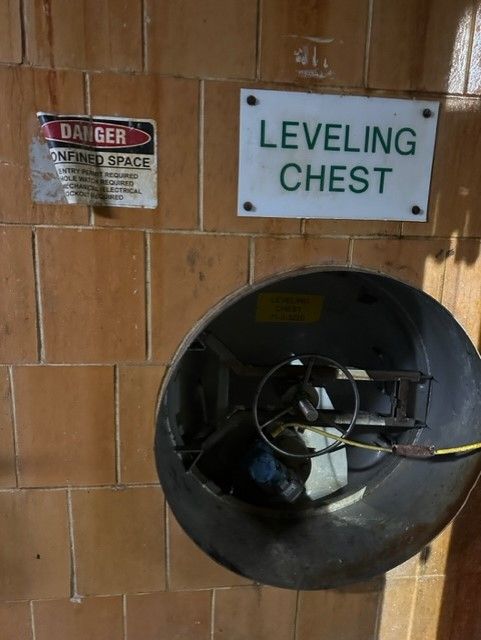
L & I Confined Space Requirements (What’s Different)
Confined space safety in Washington State is enforced by:
L and I Occupational Safety and Health Division
What Employers Need to Know:
- Washington State follows federal OSHA standards, including:
- 29 CFR 1910.146 (General Industry)
- 29 CFR 1926 Subpart AA (Construction)
- Employers must ensure:
- Workers are trained
- Hazards are identified and controlled
- Entry procedures are documented and followed
Washington L & I places strong emphasis on:
- Hazard recognition
- Atmospheric testing
- Entry permits and documentation
Common Confined Space Hazards
This is where your page becomes unique and valuable for SEO
Workers in Washington State often face:
- Wet environments and moisture buildup
- Low oxygen or hazardous atmospheres
- Agricultural and industrial storage spaces
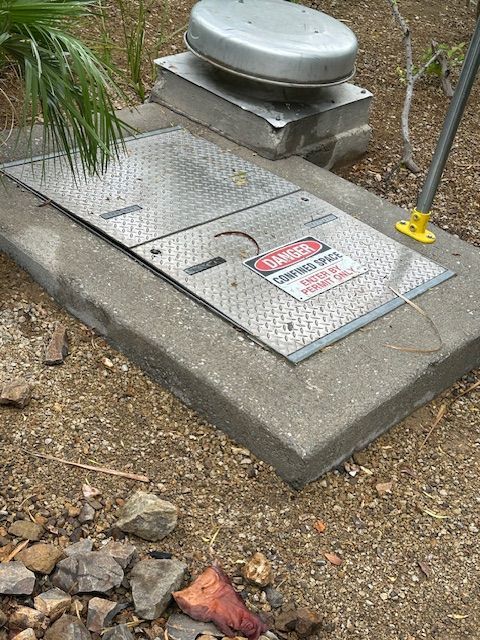
- Underground utilities and vaults
- Tanks, pits, and process vessels
These conditions increase the risk of:
- Asphyxiation
- Toxic exposure
- Engulfment
Who Needs Confined Space Training?
- Competent persons
- Entry supervisors
- Attendants
- Maintenance and utility workers
- Construction crews
- Safety managers
If your employees enter confined spaces in Washington State, training is essential.
What This Training Covers
This course prepares workers to:
- Identify permit-required confined spaces
- Evaluate atmospheric hazards
- Understand entry procedures and permits
- Assign roles (entrant, attendant, supervisor)
- Implement emergency and rescue procedures
- Apply safe work practices under L&I and OSHA expectations
Washington State OSHA Compliance & Standards
This training aligns with:
- Occupational Safety and Health Administration
- 29 CFR 1910.146 (General Industry Confined Spaces)
- 29 CFR 1926 Subpart AA (Construction Confined Spaces)
OSHA expanded confined space requirements to construction, increasing the need for trained competent persons.
Who Needs This Training?
This course is designed for:
- Competent persons
- Entry supervisors
- Safety managers
- Maintenance personnel
- Construction workers
- General industry employees
Anyone responsible for confined space safety should be trained.
Training Options
In-Person Training
- Hands-on exercises
- Real-world confined space scenarios
- Direct instructor interaction
Online Training
- Self-paced learning
- Instructor-supported
- Includes real-world examples and scenarios
Both formats provide comprehensive training aligned with OSHA requirements.
Washington's Focus – Employer Responsibility
Employers must:
- Identify all confined spaces
- Determine if spaces are permit-required
- Provide proper training
- Maintain entry permits and documentation
- Ensure rescue procedures are in place
Failure to meet these requirements is a common source of citations.
Certification & Documentation
After successful completion, participants receive:
- Confined Space Competent Person certificate
- Training documentation for employer records
- Supporting forms and resources
Additional Resources Included
- Confined space entry permits
- Hazard assessment tools
- Checklists and safety forms
- Instructor support and guidance
FAQ's
Does L & I require confined space training?
Yes. Employers must ensure employees are trained before entering confined spaces.
What is a permit-required confined space?
A confined space with hazards such as:
- Hazardous atmosphere
- Engulfment
- Restricted configuration
Can training be done online?
Yes, but employers must ensure workers understand site-specific hazards and procedures.
Who enforces confined space rules in Washington State?
L & I