Robert Miller • June 10, 2026

Forklift Training in Oregon & Washington | OSHA-Compliant Certification

Forklift Training in Oregon and Southwest Washington: What Employers Need to Know

Forklifts are one of the most useful pieces of equipment on a jobsite, warehouse floor, lumber yard, manufacturing facility, or construction project. They help move materials quickly, reduce manual lifting, and keep operations moving. But when forklift operators are not properly trained, the risk of serious injury, property damage, and OSHA compliance issues increases.

That is why forklift training is not just a good idea — it is an OSHA requirement.

KARM Safety Solutions provides OSHA-compliant forklift training and recertification for employers in Oregon and Southwest Washington. Our training is designed to help businesses keep employees safe, reduce workplace risk, and meet the requirements for powered industrial truck operator training.

Why Forklift Training Matters

Forklifts may look simple to operate, but they handle very differently than a car or truck. They turn differently, carry heavy loads, have stability limits, and can become dangerous when operators are not trained on the equipment and work environment.

Common forklift hazards include:

  • Tip-overs
  • Struck-by incidents
  • Pedestrian hazards
  • Unstable or elevated loads
  • Poor visibility
  • Dock and trailer hazards
  • Ramps, grades, and uneven surfaces
  • Battery charging or fueling hazards
  • Operating too fast for conditions
  • Lack of pre-use inspections

A trained forklift operator understands more than just how to drive. They understand how to inspect the equipment, recognize hazards, protect pedestrians, handle loads safely, and operate according to the conditions of the workplace.

What Does OSHA Require for Forklift Training?

OSHA requires powered industrial truck operators to be properly trained and evaluated before operating a forklift. Training must include information about the truck being used, the workplace where it will be operated, and the general safety rules that apply to powered industrial trucks.

Forklift training should include:

  • Formal instruction
  • Practical training
  • Operator evaluation
  • Workplace-specific hazards
  • Documentation of training and evaluation

Formal instruction may include classroom training, online learning, discussion, written material, or other instructional methods. Practical training includes demonstrations and hands-on exercises. The evaluation confirms the operator can safely operate the forklift in the workplace.

Is Online Forklift Training Enough?

Online forklift training can be a valuable part of the process, especially for teaching the safety rules, OSHA requirements, hazard awareness, inspections, load handling, and general operating principles.

However, employers still need to make sure operators are evaluated on the equipment they will actually use and in the workplace conditions where they will operate. A complete forklift training program should include both knowledge-based training and a practical evaluation.

KARM Safety Solutions offers training options to help employers meet these requirements, including online forklift safety training, in-person training, and onsite training for company crews.

How Often Is Forklift Recertification Required?

OSHA requires forklift operator performance to be evaluated at least once every 3 years.

Refresher training may also be required sooner if:

  • The operator is observed operating unsafely
  • The operator is involved in an accident or near miss
  • The operator receives an evaluation showing unsafe operation
  • The operator is assigned to a different type of forklift
  • Workplace conditions change in a way that affects safe operation

Because of this, many employers use a regular forklift recertification schedule to help keep documentation current and operators aware of safe practices.

What Should Forklift Training Cover?

A strong forklift training program should be specific to the type of forklift and the workplace where it will be used.

Training topics may include:

  • Forklift stability and tip-over prevention
  • Load capacity and data plates
  • Pre-use inspections
  • Steering and maneuvering
  • Load handling and stacking
  • Pedestrian safety
  • Operating on ramps and grades
  • Loading docks and trailers
  • Refueling or battery charging
  • Attachments and equipment limitations
  • Workplace traffic patterns
  • Surface conditions
  • Visibility and blind spots
  • Parking and shutdown procedures

Every workplace is different. A warehouse, construction site, lumber yard, manufacturing facility, and retail loading area may all have different forklift hazards. That is why workplace-specific training is so important.

Who Needs Forklift Training?

Any employee who operates a powered industrial truck needs proper training and evaluation before operating the equipment.

This may include employees who operate:

  • Sit-down forklifts
  • Stand-up forklifts
  • Reach trucks
  • Order pickers
  • Pallet jacks
  • Rough-terrain forklifts
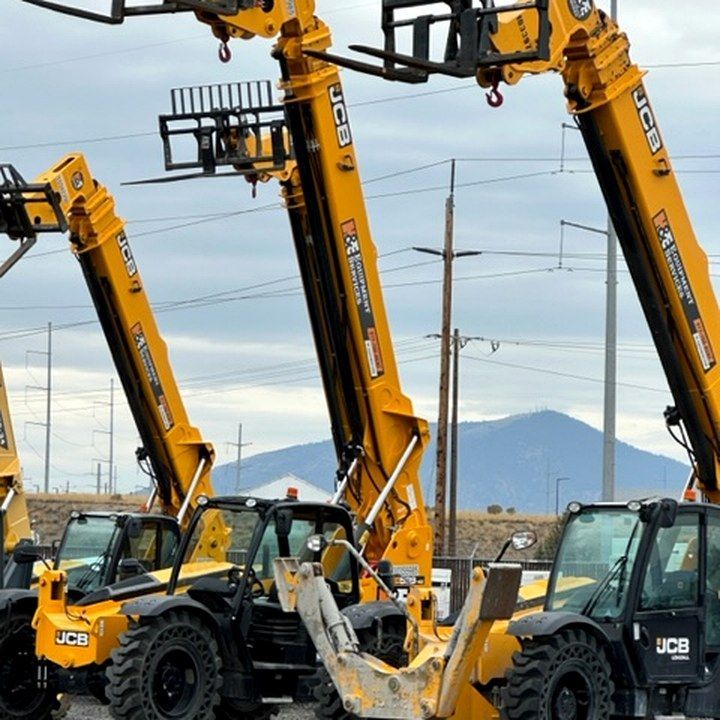
  • Telehandlers, depending on the equipment and work being performed

Employers should not assume that previous experience is enough. Even experienced operators need to be evaluated and trained on the specific equipment and hazards at their current workplace.

Why Choose KARM Safety Solutions for Forklift Training?

KARM Safety Solutions provides practical, real-world safety training built around OSHA compliance and actual jobsite conditions. Our goal is not just to help companies check a box. Our goal is to help employers build safer workplaces.

KARM Safety Solutions offers:

  • OSHA-compliant forklift training
  • Forklift recertification
  • In-person training
  • Onsite training for company crews
  • Online forklift safety training options
  • Practical instruction based on real workplace hazards
  • Training documentation for employers
  • Support for businesses in Oregon and Southwest Washington

We work with warehouses, contractors, shops, manufacturers, distribution centers, construction companies, and other employers who need reliable forklift safety training.

Forklift Training Helps Protect Your Employees and Your Business

Proper forklift training helps reduce the risk of injuries, equipment damage, product damage, and compliance problems. It also helps operators feel more confident and prepared when working around people, materials, and changing workplace conditions.

If your company uses forklifts, powered industrial trucks, or material-handling equipment, now is a good time to review your training records and make sure your operators are current.

Schedule Forklift Training with KARM Safety Solutions

KARM Safety Solutions provides forklift training and recertification for employers in Oregon and Southwest Washington.

Whether you need training for one operator or an entire crew, we can help your company meet OSHA forklift training requirements and improve workplace safety.

Contact KARM Safety Solutions today to schedule forklift training for your team.

Frequently Asked Questions About Forklift Training

Is forklift training required by OSHA?

Yes. OSHA requires powered industrial truck operators to be trained and evaluated before operating a forklift.

How long is forklift certification good for?

Forklift operator performance must be evaluated at least once every 3 years. Refresher training may be required sooner if there is unsafe operation, an accident, a near miss, a different type of forklift, or changes in workplace conditions.

Can forklift training be done online?

Online forklift training can help meet the formal instruction portion of training, but employers still need to ensure operators receive practical training and an evaluation for the equipment and workplace conditions they will use.

Do experienced forklift operators still need training?

Yes. Previous experience is helpful, but operators still need to be trained and evaluated for the specific equipment and workplace hazards at their current job.

Does KARM Safety Solutions offer on-site forklift training?

Yes. KARM Safety Solutions offers onsite forklift training for company crews, along with in-person and online forklift safety training options.

Where does KARM Safety Solutions provide forklift training?

KARM Safety Solutions provides forklift training for employers in Oregon and Southwest Washington.
By Robert Miller June 6, 2026
Workplace safety training can sometimes sound like it all means the same thing. Terms like hazard training , hazard awareness , and Hazard Communication training are often used together, but they are not the same. For employers, understanding the difference is important. The right training helps workers recognize risks, protect themselves, and support OSHA compliance. The wrong assumption can leave gaps in your safety program. At KARM Safety Solutions , we help employers identify what training their workers actually need based on the hazards they face on the job. What Is Hazard Communication Training? Hazard Communication Training , often called HazCom Training , focuses specifically on hazardous chemicals in the workplace . This training is based on OSHA’s Hazard Communication Standard, 29 CFR 1910.1200 . OSHA requires employers to provide employees with information and training about hazardous chemicals in their work area at the time of initial assignment and when new chemical hazards are introduced. HazCom training helps workers understand: Chemical hazards in the workplace Safety Data Sheets, also called SDS Chemical labels and pictograms Signal words like “Danger” and “Warning.” Required personal protective equipment Safe handling and storage practices Emergency procedures for spills or exposure Where to find the company’s written Hazard Communication Program In simple terms, Hazard Communication training is chemical safety training . KARM Safety Solutions offers OSHA-aligned Hazard Communication Training designed to help workers understand chemical hazards, read labels and Safety Data Sheets, and work safely around hazardous chemicals. What Is General Hazard Training? General hazard training or hazard awareness training is broader. It teaches employees how to recognize and respond to common workplace hazards, not just chemical hazards. This may include hazards such as: Slips, trips, and falls Struck-by hazards Caught-in or caught-between hazards Electrical hazards Equipment and machinery hazards Sharp objects Poor housekeeping Ergonomic hazards Heat or weather-related hazards Unsafe walking and working surfaces PPE concerns General hazard training is valuable because many job-site injuries happen when workers do not recognize a hazard before something goes wrong. However, general hazard training does not replace Hazard Communication training when employees work with or around hazardous chemicals. The Key Difference The easiest way to remember the difference is this: Hazard Communication Training = hazardous chemicals. General Hazard Training = overall workplace hazards. A warehouse worker may need general hazard awareness training to recognize forklift traffic, trip hazards, and falling object risks. But if that same worker also handles cleaning chemicals, fuel, solvents, paints, adhesives, or other hazardous products, they may also need HazCom training. A construction worker may need hazard awareness training for fall hazards, tools, equipment, and moving vehicles. But if they use silica-containing materials, fuel, concrete additives, sealants, or chemical products, HazCom training may also apply. Why Employers Should Not Confuse the Two One common mistake is assuming that a general safety orientation covers everything. It usually does not. A safety orientation may cover jobsite rules, PPE, injury reporting, and general hazards. But OSHA’s Hazard Communication Standard has specific requirements for chemical hazard information, SDS access, labels, training, and the written Hazard Communication Program. OSHA’s standard requires employers to maintain a written program describing how labels, Safety Data Sheets, and employee information and training will be handled. If employees are exposed to hazardous chemicals and they have not been trained on labels, SDS, protective measures, and chemical-specific hazards, the company may have a compliance gap. Who Needs Hazard Communication Training? HazCom training may be needed for employees in many industries, including: Construction Manufacturing Warehousing Maintenance Janitorial work Automotive shops Landscaping Healthcare Laboratories Utilities Painting and coating work Welding and fabrication Any employee who works with or may be exposed to hazardous chemicals should understand the hazards and know how to protect themselves. Why This Training Matters Hazard Communication training is more than a paperwork requirement. It helps workers make safer decisions in real situations. Employees should know: What product are they using What hazards are involved What PPE is required What to do if there is a spill What to do if someone is exposed Where the SDS is located How to read labels before using a product When workers understand this information, they are less likely to guess, misuse chemicals, or expose themselves and others to unnecessary risk. How KARM Safety Solutions Can Help KARM Safety Solutions provides practical, real-world safety training designed for the way employees actually work. Our Hazard Communication Training helps workers understand chemical hazards, SDS, labels, PPE, and safe work practices. Training is available for employers who need OSHA-aligned instruction for their team. Learn more or schedule training here: KARM Safety Solutions Hazard Communication Training Final Takeaway Hazard Communication training and general hazard training are both important, but they are not the same. If your employees work with or around hazardous chemicals, they need to understand the Hazard Communication Standard, SDS, chemical labels, and protective measures. If your employees face general jobsite or workplace hazards, they also need broader hazard awareness training. The safest approach is to evaluate the actual hazards in the workplace and make sure employees receive the right training for the work they perform. KARM Safety Solutions — Building Safer Workplaces, One Training at a Time.
By Robert Miller May 28, 2026
Why Lift Director Training Is Essential for Safe and Compliant Crane Operations 
By Robert Miller May 24, 2026
OSHA Heat Training: Why Employers Get It Wrong | KARM Safety Solutions
By Robert Miller May 22, 2026
What Employers Need to Know in 2026
By Robert Miller May 19, 2026
The Real Cost of Ignoring Safety: When OSHA Shows Up
OSHA confined space
By Robert Miller May 18, 2026
Learn OSHA confined space types, risks, safety checks, and entry rules explained in simple words for safer workplace decisions and better understanding.
By Robert Miller May 16, 2026
Falls remain the leading cause of death in construction year after year. Most employers understand the importance of harnesses, guardrails, and anchor points, but there is one major issue that continues to be overlooked on jobsites across the country: Many construction hard hats fall off during a fall event. At KARM Safety Solutions , we regularly see companies invest heavily in fall protection systems while unintentionally ignoring one of the most critical components of worker survival during a fall: Head Protection Retention The reality is simple: A hard hat cannot protect a worker if it does not stay on their head. The Hidden Cost of Head Injuries in Construction When a fall occurs, employers often focus on: Fall distance Anchorage Harness performance OSHA citations But severe head injuries are frequently what turn a survivable incident into: A fatality Permanent disability Massive insurance claims Long-term legal exposure Lost productivity Increased EMR ratings Workers’ compensation costs Even when a fall arrest system functions correctly, workers can still strike: Steel beams Concrete surfaces Equipment Scaffolding Structural components Lower levels during swing falls Without secured head protection, traumatic brain injuries become far more likely. Why Traditional Hard Hats Often Fail During Falls Traditional hard hats were primarily designed to protect workers from: Falling tools Falling debris Overhead impacts Most were not originally engineered to remain secured during dynamic falls or suspended fall arrest situations. During a fall, momentum and sudden movement can cause: Hard hats to roll backward Suspension systems to loosen Helmets to fly off entirely Chinless hard hats to become useless This happens more often than many employers realize. The Shift Happening Across the Construction Industry Many leading contractors are now moving toward: Safety helmets with chin straps Climbing-style helmets Enhanced side-impact protection Improved retention systems Why? Because the industry is recognizing that head protection must remain secured during the fall, not just before it. Companies that adapt early often see: Fewer serious injuries Reduced claim severity Better worker compliance Improved safety culture Stronger defensible safety programs How KARM Safety Solutions Helps Employers Reduce Risk At KARM Safety Solutions , we help employers move beyond minimum compliance and build practical, field-ready safety programs that actually protect workers. 1. Fall Protection Training That Addresses Real Jobsite Conditions Many training programs focus only on OSHA regulations. We focus on: Real-world fall dynamics Secondary impact hazards Swing falls Head injury prevention PPE limitations Human behavior during emergencies Workers retain more information when training reflects what actually happens on jobsites. 2. Hard Hat and Helmet Retention Evaluations We help companies evaluate: Current hard hat policies Chin strap requirements Helmet compatibility Employee usage habits High-risk work activities Sometimes a small PPE policy adjustment can significantly reduce exposure. 3. Jobsite Hazard Assessments Different environments create different fall hazards. We assist employers in identifying elevated risks involving: Roofing Structural steel MEWPs and boom lifts Scaffolding Industrial maintenance Utility work Elevated mechanical systems This allows companies to select the right protection systems for the actual hazards present. 4. Competent Person and Supervisor Training Supervisors play a critical role in preventing serious incidents. Our programs help leadership identify: Improper hard hat use Poor PPE fit Unsafe worker habits Fall exposure gaps Inadequate rescue planning The earlier issues are identified, the lower the overall risk and cost. The ROI of Better Fall and Head Protection Many employers view upgraded safety equipment and training as an expense. But in reality, effective fall protection programs often create measurable return on investment through: Fewer injuries Lower workers’ compensation costs Reduced downtime Lower turnover Improved morale Stronger OSHA defensibility Reduced insurance exposure One serious head injury can cost far more than years of proactive prevention. OSHA Compliance Is the Minimum — Not the Goal Compliance matters. But simply meeting minimum OSHA requirements does not always mean workers are fully protected. The companies leading the industry forward are focusing on: Prevention Retention systems Real-world hazard recognition Practical training Continuous improvement That is where long-term safety performance is built. Protect Your Workers Before the Incident Happens At KARM Safety Solutions , we provide: Fall Protection Competent Person Training OSHA-compliant safety training Jobsite audits Hazard assessments Safety program development Practical field-focused consulting Stopping the fall is only part of the solution. Keeping the worker protected during the fall is what truly saves lives. https://www.karmsafetysolutions.com 
 bloodborne pathogen
By Robert Miller May 16, 2026
Learn which jobs face bloodborne pathogen risks, how exposure happens, safety steps, and workplace protection methods for safer daily operations.
By Robert Miller May 14, 2026
How to Stay Compliant and Avoid Costly Violations
fire extinguisher training
By Robert Miller May 14, 2026
Learn OSHA fire extinguisher training rules, frequency, safety steps, inspection basics, and workplace compliance tips for better emergency readiness.