
Top 10 OSHA Violations in Construction (2025 Guide)
OSHA fines keep increasing be prepared
Construction remains one of the most dangerous industries in the United States—and one of the most heavily regulated. In 2025, OSHA violations in construction continue to rise, leading to costly fines, project delays, and serious injuries.
According to enforcement trends from Occupational Safety and Health Administration (OSHA), most citations are not the result of complex regulations—but basic safety failures that are completely preventable.
This guide breaks down the Top 10 OSHA violations in construction for 2025, why they happen, and how contractors can protect their workers and avoid penalties.
1. Fall Protection (29 CFR 1926.501)
Fall protection remains the #1 OSHA violation in construction year after year.
Common issues:
- No guardrails or safety nets
- Improper use of harnesses
- Unprotected edges and openings
- Failure to tie off at heights over 6 feet
How to prevent it:
- Provide OSHA-compliant fall protection training
- Inspect fall protection equipment regularly
- Enforce 100% tie-off policies
2. Ladders (29 CFR 1926.1053)
Ladder-related violations continue to spike in 2025 due to improper use and lack of training.
Common issues:
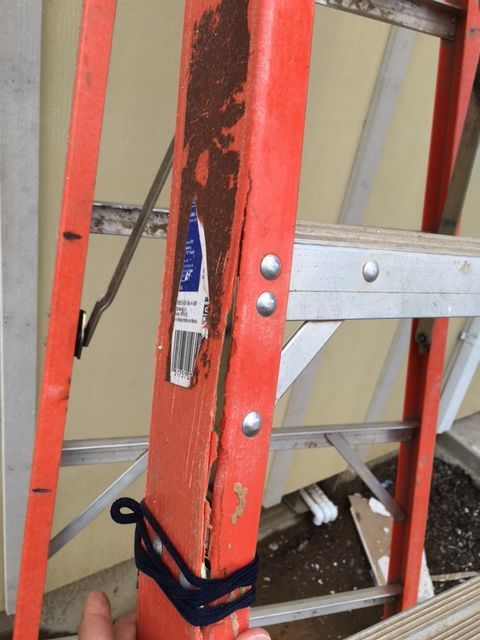
- Using damaged ladders
- Incorrect ladder angles
- Standing on top steps
- Using ladders for tasks requiring scaffolding or lifts
How to prevent it:
- Train employees on ladder selection and setup
- Inspect ladders daily
- Remove damaged ladders from service immediately
3. Scaffolding (29 CFR 1926.451)
Scaffolding violations are common on large and fast-moving construction projects.
Common issues:
- Missing guardrails or toe boards
- Improper plank installation
- Overloaded scaffolds
- Lack of competent person inspections
How to prevent it:
- Ensure scaffolds are erected by qualified personnel
- Conduct daily scaffold inspections
- Train workers on scaffold safety requirements
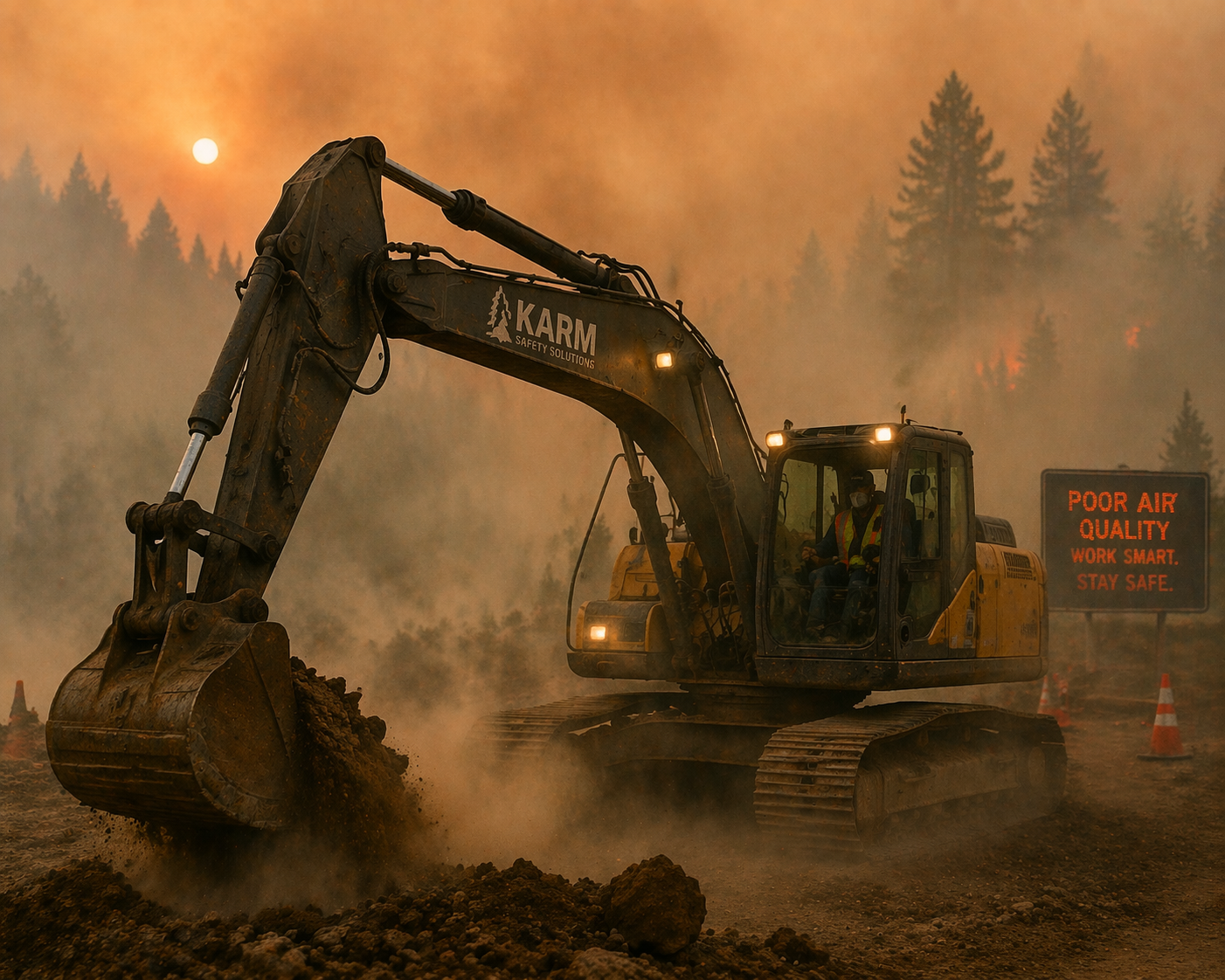
4. Trenching and Excavation (29 CFR 1926.652)
Trenching hazards are among the most deadly in construction.
Common issues:
- No protective systems (sloping, shoring, shielding)
- Unsafe access and egress
- Failure to identify soil types
- Water accumulation in trenches
How to prevent it:
- Designate a trained competent person
- Use trench boxes or proper sloping
- Inspect excavations daily and after weather events
5. Personal Protective Equipment (PPE) (29 CFR 1926.95)
PPE violations often result from lack of enforcement, not lack of equipment.
Common issues:
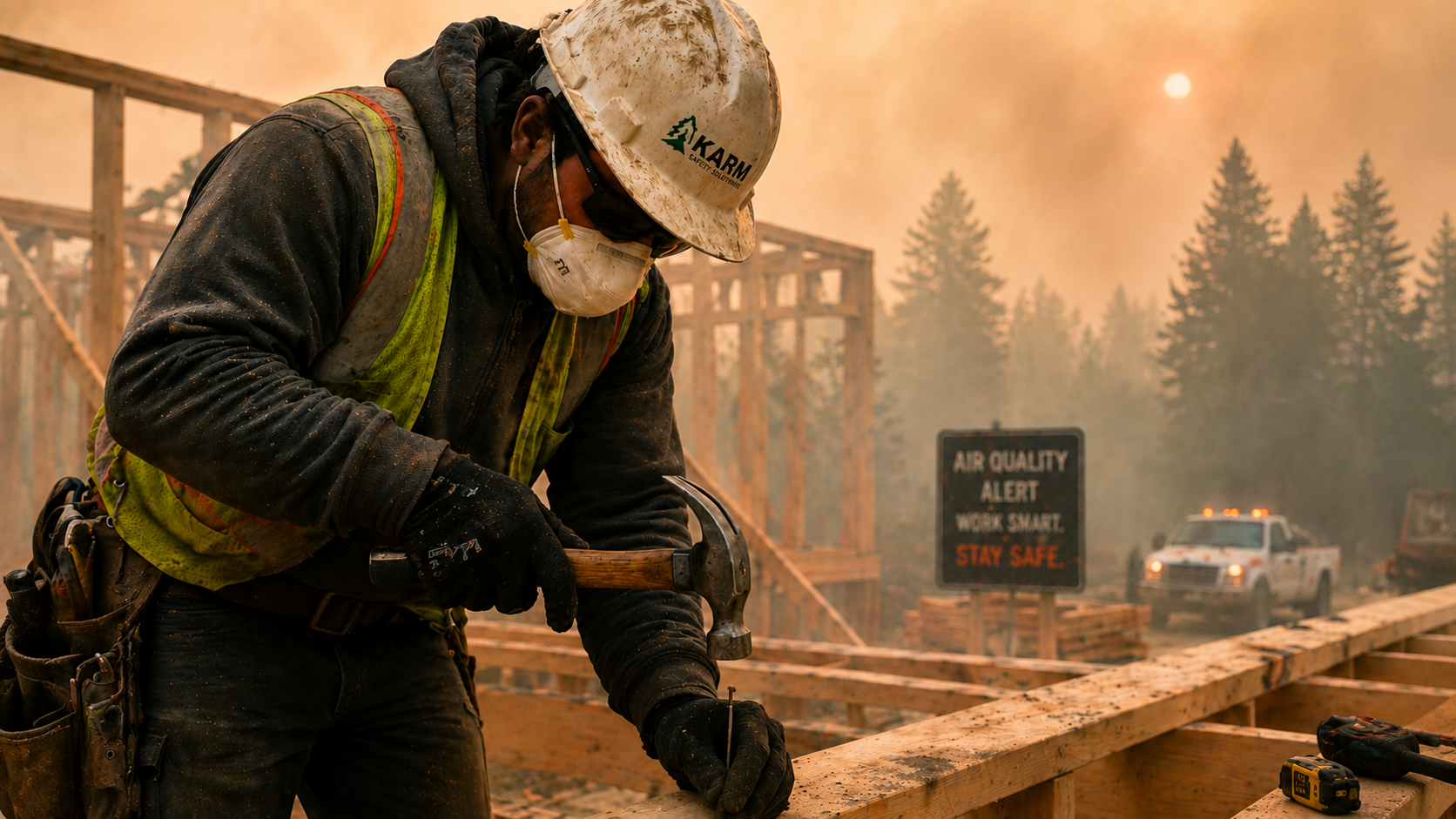
- Workers not wearing hard hats or eye protection
- No hazard assessment
- PPE not properly fitted
How to prevent it:
- Conduct job hazard analyses
- Provide and enforce PPE usage
- Train employees on proper PPE care and limitations
6. Hazard Communication (29 CFR 1910.1200)
Chemical exposure risks remain a major OSHA focus in 2025.
Common issues:
- Missing or outdated Safety Data Sheets (SDS)
- Improper labeling of chemicals
- Employees not trained on chemical hazards
How to prevent it:
- Maintain a complete SDS library
- Label all containers correctly
- Provide hazard communication training annually
7. Lockout/Tagout (29 CFR 1910.147)
Construction sites with energized equipment face increasing scrutiny.
Common issues:
- No written lockout/tagout program
- Failure to control hazardous energy
- Employees working on live equipment
How to prevent it:
- Develop a site-specific lockout/tagout program
- Train authorized and affected employees
- Enforce lockout procedures during maintenance
8. Electrical Safety (29 CFR 1926 Subpart K)
Temporary power and changing site conditions lead to frequent electrical violations.
Common issues:
- Exposed wiring
- Improper grounding
- Missing GFCI protection
- Damaged extension cords
How to prevent it:
- Inspect electrical systems daily
- Use GFCI protection
- Remove damaged cords from service
9. Machine Guarding (29 CFR 1910.212)
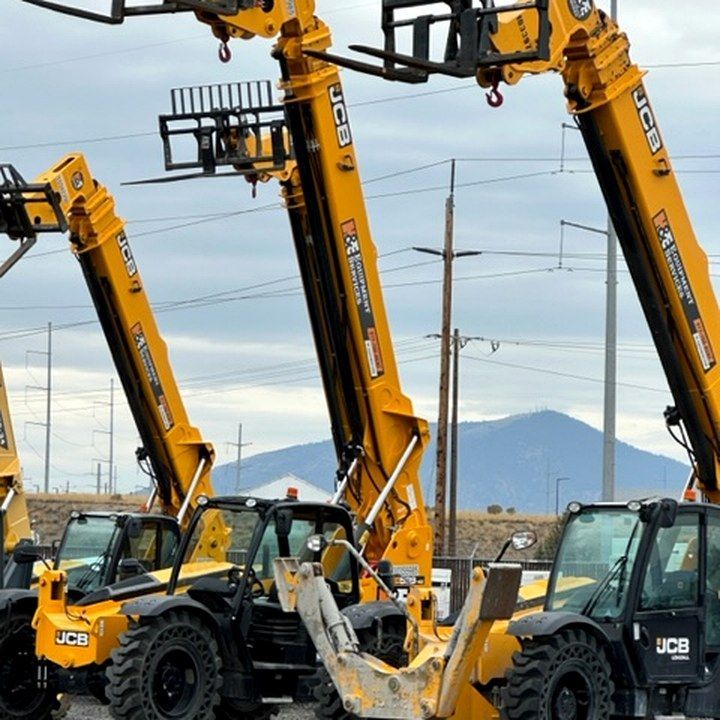
Heavy equipment and power tools present serious hazards without proper guarding.
Common issues:
- Missing guards on saws and equipment
- Bypassing safety devices
- Inadequate employee training
How to prevent it:
- Ensure all guards are installed and functional
- Prohibit removal of guards
- Train operators on equipment safety
10. Safety Training & Documentation
Lack of training is a root cause of many OSHA violations.
Common issues:
- No proof of training
- Incomplete or outdated records
- Workers unaware of site-specific hazards
How to prevent it:
- Provide OSHA-compliant safety training
- Maintain accurate training records
- Conduct toolbox talks and refresher training regularly
How to Reduce OSHA Violations in 2025
Avoiding OSHA citations starts with proactive safety management.
Best practices include:
- Regular safety audits
- Job-specific training
- Updated written safety programs
- Strong enforcement of safety rules
At KARM Safety Solutions, we help construction companies reduce OSHA violations through:
- OSHA 10 & OSHA 30 training
- Online and in-person safety courses
- Customized construction safety programs
- Compliance support and consulting
Stay Compliant. Stay Profitable. Stay Safe.
OSHA fines in construction can reach tens or even hundreds of thousands of dollars—but they are preventable.
By addressing the most common violations and investing in proper training, construction companies can protect workers, reduce liability, and keep projects on schedule.
Contact KARM Safety Solutions today to learn how our training and safety services can help your company stay OSHA-compliant in 2025 and beyond.