What Is MEWP Training? A Complete Guide to Boom Lift and Scissor Lift Safety
Get Boom and Scissor Certified Now, become OSHA Compliant
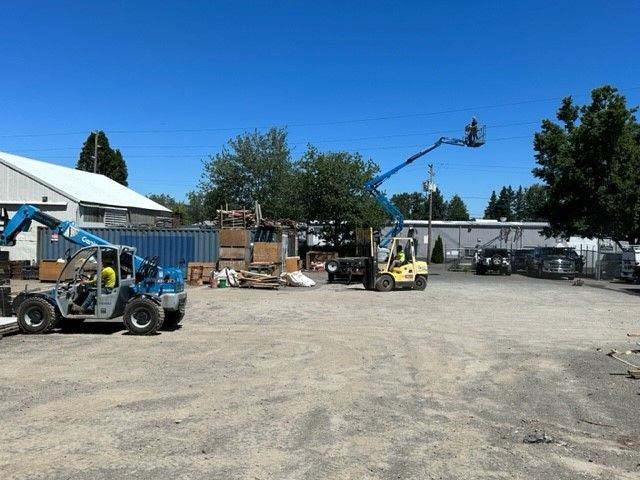
Working at height comes with serious risks—and mobile elevating work platforms (MEWPs) like boom lifts and scissor lifts are involved in many jobsite incidents when not used properly.
That’s why proper MEWP training is critical.
In this guide, we’ll break down:
- What MEWP training is
- Who needs it
- What it covers
- OSHA and ANSI expectations
- How to get certified
What Is a MEWP?
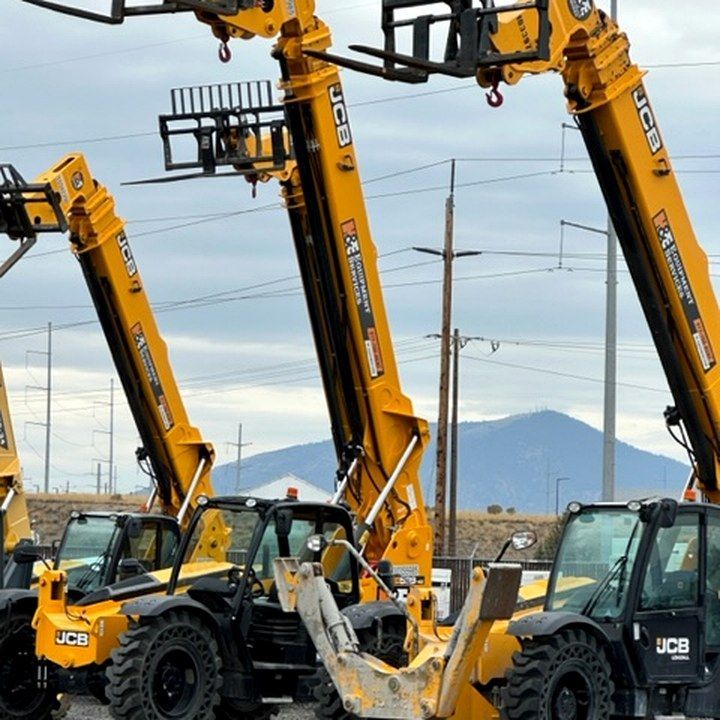
A Mobile Elevating Work Platform (MEWP) is a machine used to lift workers to elevated work areas.
The two most common types are:
- Boom lifts (extend outward and upward)
- Scissor lifts (move vertically)
Each type has different hazards, controls, and safety requirements—so training must cover both.
Why MEWP Training Matters
Improper use of aerial lifts can lead to:
- Tip-overs
- Falls from height
- Entrapment between structures
- Contact with power lines
MEWP training helps workers:
- Understand equipment limits
- Recognize hazards before they become incidents
- Operate safely under real jobsite conditions
Who Needs MEWP Training?
MEWP training isn’t just for operators.
It’s recommended for:
- Equipment operators (boom & scissor lifts)
- Supervisors and foremen
- Safety managers
- Spotters and ground personnel
- Anyone working around aerial lifts
If you’re involved in planning or working near elevated work platforms, training is essential.
What Does MEWP Training Cover?
A strong MEWP training program includes both classroom knowledge and practical evaluation.
1. Equipment Basics and Stability
- Boom vs. scissor lift differences
- Load capacity and limits
- Slopes, wind, and ground conditions
- Tip-over risks
2. Pre-Use Inspections
- Daily inspection requirements
- Identifying defects
- Hydraulic, battery, and structural checks
3. Safe Operation
- Setup and positioning
- Traveling and elevating
- Working near hazards
- Shutdown procedures
4. Fall Protection Requirements
- Boom lifts: require a full-body harness and lanyard
- Scissor lifts: guardrails are typically the primary protection
Requirements may vary based on manufacturer instructions and jobsite policies.
5. Worksite Hazard Recognition
- Drop-offs and unstable ground
- Overhead obstructions
- Traffic and pedestrian exposure
- Energized power lines
6. Emergency Procedures
- Emergency lowering
- Ground control operation
- Entrapment response
- Rescue planning
OSHA and ANSI Requirements
MEWP training is based on guidance from:
- Occupational Safety and Health Administration
- American National Standards Institute (ANSI A92 standards)
Key points:
- OSHA requires operators to be trained and evaluated
- ANSI outlines safe use and training responsibilities
- Employers must ensure operators are competent and authorized
OSHA does not set a fixed retraining timeline
Retraining is required when:
- Equipment changes
- Jobsite conditions change
- Unsafe operation is observed
Many companies follow a 3-year refresher cycle as a best practice.
In-Person vs Online MEWP Training
In-Person Training
Best for:
- Hands-on experience
- Equipment-specific evaluation
- Team training
Online + Practical Evaluation
Best for:
- Flexible schedules
- Remote teams
Important:
Online training alone is
not enough—a
hands-on evaluation is still required.
What Certification Do You Get?
After completing MEWP training, operators typically receive:
- Operator wallet card
- Certificate of completion
- Evaluation documentation
Employers must still authorize operators for specific equipment
Common MEWP Safety Mistakes
Even trained workers make mistakes. The most common include:
- Not wearing fall protection on boom lifts
- Skipping inspections
- Operating on uneven ground
- Ignoring weather conditions
- Poor communication with ground personnel
How to Get MEWP Training
To stay compliant and safe, choose a training provider that offers:
- OSHA- and ANSI-aligned training
- Hands-on evaluation
- Site-specific instruction
- Documentation for compliance
Final Thoughts
MEWP training isn’t just about checking a box—it’s about preventing serious injuries and ensuring workers go home safe.
Whether you’re operating a boom lift, supervising a crew, or managing safety programs, proper training makes a measurable difference.
Ready to Train Your Team?
KARM Safety Solutions provides:
- Boom lift and scissor lift training
- On-site and online options
- Hands-on evaluations
- Bilingual instruction
Schedule Training Today
Request a Quote
Get Your Team Certified