Robert Miller • June 21, 2025

Ready to Lead? Get Your Lock Out Tag Out Certification and Set the Standard

Electrical energy. Moving parts. Unexpected start-ups. These are not minor risks; they're deadly if ignored. That's why earning your lockout tag out certification is more than a checkbox. It's a mark of authority and a key step toward leading safe operations. At its core, this qualification ensures control over hazardous energy. It’s about knowing how to isolate machinery, apply proper locks and tags, and guarantee that maintenance crews can work without risk.


If you're tasked with supervising shutdowns, equipment service, or facility safety, this training gives you the authority and knowledge to lead those moments with clarity.


What You’ll Really Learn


This isn’t just about turning switches. Our training goes beyond the basics. It teaches how to verify isolation, ensure full energy release, and follow step-by-step procedures under OSHA 1910.147 guidelines. Every part of the system, from stored pressure to mechanical motion, gets covered. You’ll know how to test, recheck, and approve safe reactivation procedures.


And more importantly, you’ll be trained to lead others through these same checks, reinforcing a work culture where shortcuts don’t exist and no one guesses what's safe.


Real-World Hazards Demand Real Skills


Think about systems that store more than just electricity, hydraulics, steam, and compressed gas. These setups can hide danger even after power is cut. Without proper lockout techniques, those systems can cause serious injury or death. That’s why certified professionals must recognize hidden risks, communicate with every team involved, and always follow written procedures.


These aren’t “optional” controls; they’re lifesaving steps that trained personnel are expected to enforce. And that’s where your leadership makes the difference.


Leading Safety Takes More Than Just Knowledge


Safety isn’t passive. Being responsible for lockout/tagout plans means being the one others look to for assurance. You’ll be expected to handle audits, validate checklists, and review equipment with precision. Not every worker can do this confidently. But trained leaders those who have invested in understanding systems and securing their teams, can.


As incidents decline, operational trust builds. That’s the sign of strong leadership, and it begins with proper training.


Inspection Oversight: Who’s Allowed?


Lockout/tagout isn’t isolated to just switches and signs. It overlaps with multiple safety roles. For example, who is authorized to inspect a scaffold often intersects with the same responsibilities of verifying machinery shutdown procedures.


Understanding how various roles fit into one safety plan allows you to manage broader responsibilities with clear control. This is where cross-training pays off—those certified in multiple safety systems hold stronger authority on job sites.


Documentation Isn’t Just Paperwork: It’s Proof of Safety


Every lockout/tagout procedure must be backed by clear records. Documentation shows exactly who performed each step, when it was done, and how the equipment was verified safe. These records protect your team, your company, and you as the authorized leader.


A missing checklist or unlabeled lock can trigger major violations or worse serious injuries. Proper certification teaches how to maintain logs, update energy control procedures, and ensure every action has a traceable record. This isn't red tape it's accountability, and it starts with proper training.


Compliance is Non-Negotiable


Many facilities receive citations simply because they assumed knowledge was equal to compliance. OSHA doesn’t work on assumptions. Every worker exposed to potential energy must either be trained or supervised by someone who is.


If an accident occurs and procedures weren’t followed, certification records and leadership roles are the first things reviewed. That’s why being certified isn’t just about passing a test—it’s about owning the safety program from the inside out.


Sum Up:


Our program at KARM Safety Solutions prepares you not just to meet expectations, but to define them. Our certified instructors walk through real-world failures, corrective measures, and teach you how to apply procedures with confidence. You’ll leave this training ready to enforce lockout tagout training requirements, lead teams through complex tasks, and reduce incidents across your site. If you're serious about safety and ready to set the standard, KARM Safety Solutions is ready to train you.


Ready to lead? Enroll in KARM Safety Solutions’ certification course today and take control of your site’s safety.

By Robert Miller February 7, 2026
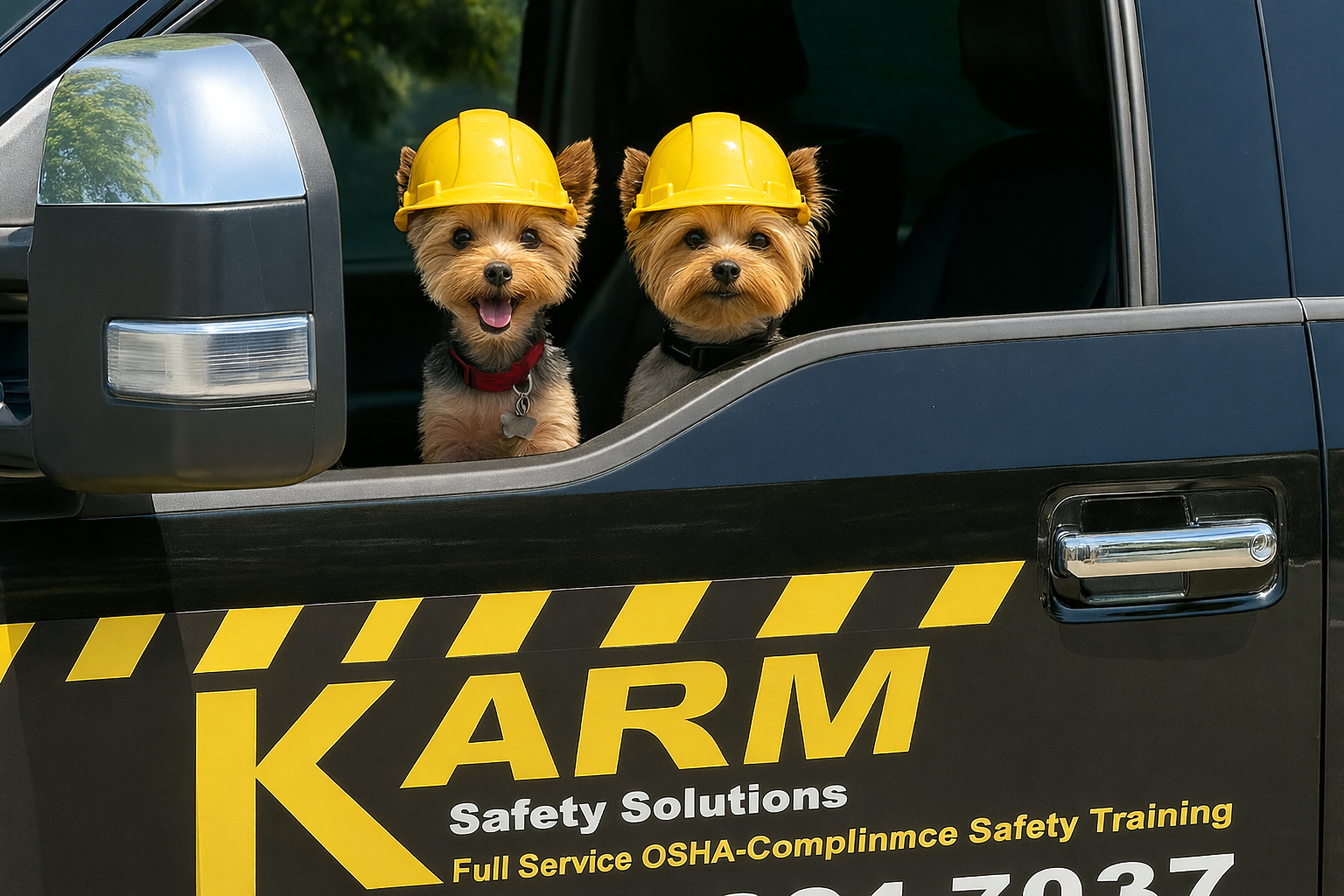
KARM Safety Solutions want to be your sole provider of safety training
By Robert Miller January 21, 2026
Las operaciones de izaje son algunas de las actividades más peligrosas en un lugar de trabajo. Cuando las cargas se levantan o mueven de forma incorrecta, las consecuencias pueden ser graves: lesiones serias, muertes, daños a equipos y sanciones costosas. Por esta razón, OSHA y las regulaciones estatales exigen que riggers y señaleros calificados participen en las operaciones de izaje cuando existen ciertos riesgos. Comprender quién necesita esta capacitación es fundamental para cumplir con la normativa y, lo más importante, para mantener a los trabajadores seguros. ¿Qué es un Rigger y un Señalero? Un rigger es la persona responsable de seleccionar, inspeccionar y conectar las cargas al equipo de izaje utilizando eslingas, grilletes, ganchos y otros dispositivos de rigging. Un señalero es la persona que se comunica con el operador del equipo para dirigir el movimiento de la carga cuando el operador no tiene una vista clara de la carga o del área de colocación. En algunos casos, una misma persona puede cumplir ambos roles, pero solo si está debidamente capacitada, calificada y es competente . ¿Quién Necesita Capacitación como Rigger? La capacitación como rigger es necesaria para cualquier trabajador que participe en la selección, inspección o conexión del rigging utilizado para levantar cargas. Esto incluye a trabajadores que: Conectan cargas a grúas, polipastos o montacargas utilizados para izaje Seleccionan eslingas, grilletes u otros dispositivos de izaje Inspeccionan el rigging antes o durante su uso Toman decisiones sobre el balance de la carga o los puntos de sujeción Si un trabajador influye en cómo se asegura una carga , necesita capacitación como rigger adecuada al nivel de riesgo del trabajo. ¿Quién Necesita Capacitación como Señalero? La capacitación como señalero es requerida cuando: El operador no puede ver claramente la carga o el área de aterrizaje La vista del operador está obstruida La operación de izaje presenta riesgos adicionales Participan múltiples trabajadores o equipos Los señaleros deben conocer las señales manuales estándar, los protocolos de comunicación por radio y las señales de parada de emergencia , y deben ser capaces de comunicarse de manera clara y consistente. ¿Cuándo se Requiere Capacitación a Nivel de Persona Competente? La capacitación a nivel de persona competente es necesaria cuando un trabajador tiene la responsabilidad de: Identificar condiciones peligrosas Corregir riesgos de seguridad Detener el trabajo cuando existen condiciones inseguras Supervisar o dirigir a otros trabajadores durante operaciones de izaje Supervisores, capataces, líderes de cuadrilla y directores de izaje frecuentemente necesitan capacitación de persona competente como rigger y señalero, incluso si no están conectando físicamente las cargas . ¿Quiénes Comúnmente Necesitan Esta Capacitación? Esta capacitación es comúnmente requerida para: Riggers y trabajadores de acero Señaleros y spotters Directores de izaje (Lift Directors) Supervisores y capataces Gerentes de seguridad Operadores de equipos que trabajan con izajes Trabajadores expuestos a cargas suspendidas Si una persona tiene autoridad o responsabilidad sobre una operación de izaje , la capacitación es necesaria. ¿Por Qué es Importante Esta Capacitación? El rigging incorrecto o la mala comunicación durante un izaje son causas comunes de incidentes graves. La capacitación ayuda a los trabajadores a: Reconocer configuraciones inseguras de rigging Comunicarse de manera efectiva con los operadores Prevenir riesgos de golpeado o aplastamiento Cumplir con los requisitos de OSHA y del estado Proteger su vida y la de sus compañeros ¿Cómo Ayuda KARM Safety Solutions? KARM Safety Solutions ofrece capacitación de persona competente para Rigger y Señalero diseñada para condiciones reales de trabajo. Nuestros cursos cubren identificación de riesgos, prácticas seguras, métodos de comunicación y expectativas regulatorias, con opciones en línea, presenciales y combinadas , disponibles también en español. Conclusión Si un trabajador asegura cargas, dirige movimientos, supervisa izajes o toma decisiones de seguridad durante operaciones de izaje , necesita capacitación como rigger y señalero. Cuando ese rol incluye identificar riesgos y detener trabajos inseguros, la capacitación a nivel de persona competente es esencial . La capacitación adecuada no solo es un requisito de cumplimiento, es una herramienta clave para prevenir el próximo incidente grave antes de que ocurra.
By Robert Miller January 21, 2026
Washington State also has new Rules for suspended loads on Forklifts
By Robert Miller January 18, 2026
La capacitación evita multas de la OSHA.
overhead crane certification
By Robert Miller January 14, 2026
Learn overhead crane certification, gain essential skills, and operate heavy machinery safely for immediate career opportunities in industrial lifting jobs
Competent Person Excavation Training
By Robert Miller January 14, 2026
Learn how competent person excavation training helps maintain OSHA compliance, prevent trench hazards, and improve excavation site safety
boom lift certification
By Robert Miller January 14, 2026
Gain boom lift certification training to operate safely, reduce accidents, and become a skilled operator employers prefer for high-risk tasks.
By Robert Miller January 14, 2026
OSHA Safety Compliance Starts with KARM Safety Solutions
Flagger Certification
By Robert Miller January 14, 2026
Learn how to get flagger certification, gain essential traffic safety skills, and start working immediately in construction or road safety roles.
By Robert Miller January 11, 2026
This is a subtitle for your new post